Instagram Eyes Your Living Room. Meta’s Next Big Video Gamble
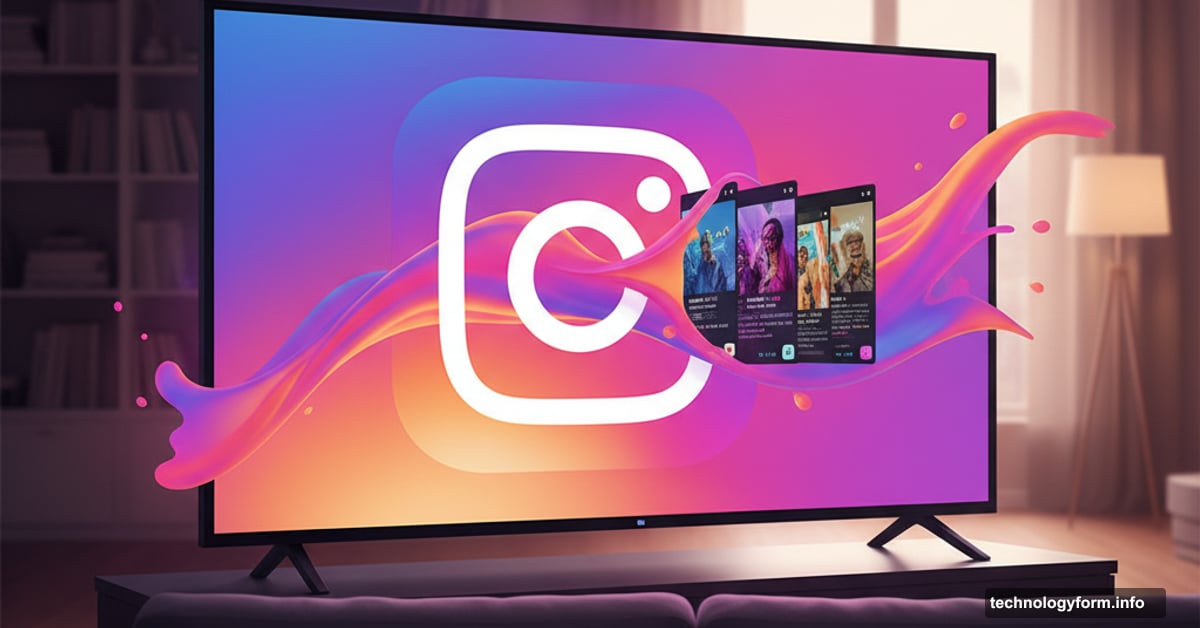
Instagram’s plotting something ambitious. A dedicated TV app that could turn your Meta scrolling into full-screen entertainment.
Adam Mosseri, Instagram’s chief, dropped this bombshell Thursday at Bloomberg’s Screentime conference. “If behavior and the consumption of these platforms is moving to TV, then we need to move to TV, too,” he said. Translation? Instagram wants a piece of the television action before it’s too late.
But here’s the catch. Nothing’s official yet. Mosseri stressed they’re still “exploring” the concept, with no firm launch plans to announce.
Why Instagram Waited This Long
Mosseri admitted something interesting. Instagram should have investigated TV apps earlier.
That’s a notable confession from a platform with 3 billion monthly users. However, he believes Instagram’s vertical video content can work on television screens. So the technical barriers might not be as severe as they seem.
Instagram evolved dramatically from its photo-sharing roots. Now the platform revolves around three core features: private messaging, Stories, and Reels short-form videos. Plus, video consumption dominates how people actually use the app.
The TV push makes sense when you consider viewing habits. People increasingly watch social media content on larger screens. Yet Instagram lacks a native way to deliver that experience.
No Hollywood Ambitions Here
Instagram won’t chase exclusive content or live sports rights. That sets it apart from competitors who spent billions licensing premium programming.
Instead, the platform plans to leverage existing Reels and creator content. This strategy keeps costs down while using Instagram’s massive content library. Moreover, it differentiates Instagram from traditional streaming services.
The approach mirrors Instagram’s broader philosophy. Let creators produce content. Give them tools and reach. Skip the expensive licensing deals that drain budgets.
But can user-generated vertical videos compete with Hollywood productions on TV? That’s the billion-dollar question Mosseri faces.
The Real Competition: YouTube and TikTok
This move puts Instagram squarely against YouTube’s television dominance. YouTube already owns the TV app space for user-generated content. So Instagram arrives late to a crowded market.
TikTok presents another challenge. ByteDance’s platform mastered short-form video first. Now Instagram plays catch-up with Reels while simultaneously trying to own the TV screen.
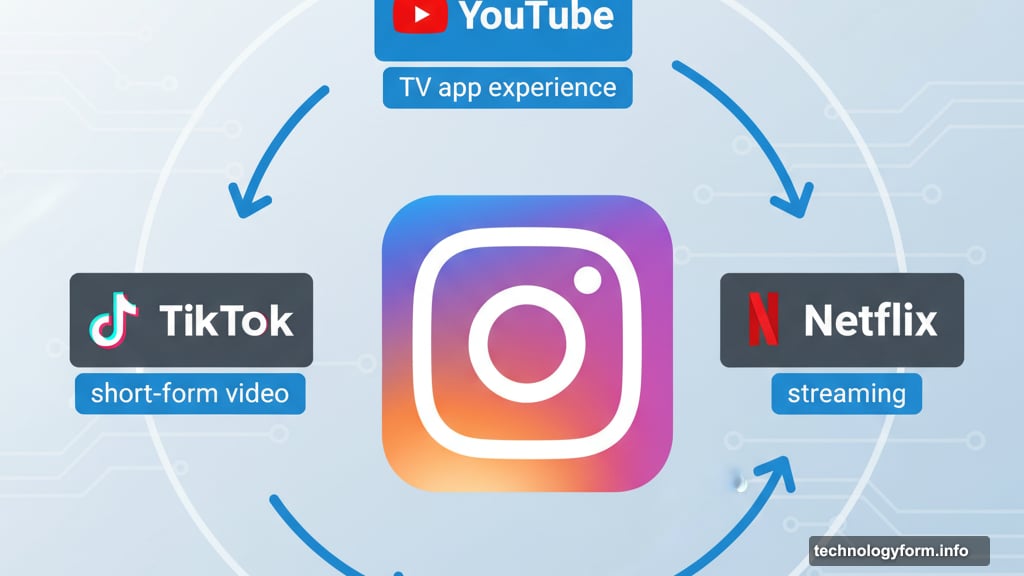
The competitive landscape looks brutal. YouTube has years of TV app experience. TikTok dominates short-form engagement. And traditional streamers like Netflix already command living room attention.
Still, Instagram’s 3 billion users provide a massive advantage. If even a fraction migrate to TV viewing, the platform wins big. The question isn’t whether Instagram can attract viewers. It’s whether they can build an experience compelling enough to change habits.
Meta’s Vertical Video Bet
Instagram’s entire strategy now revolves around Reels. The short-form video format competes directly with TikTok for attention and creator dollars.
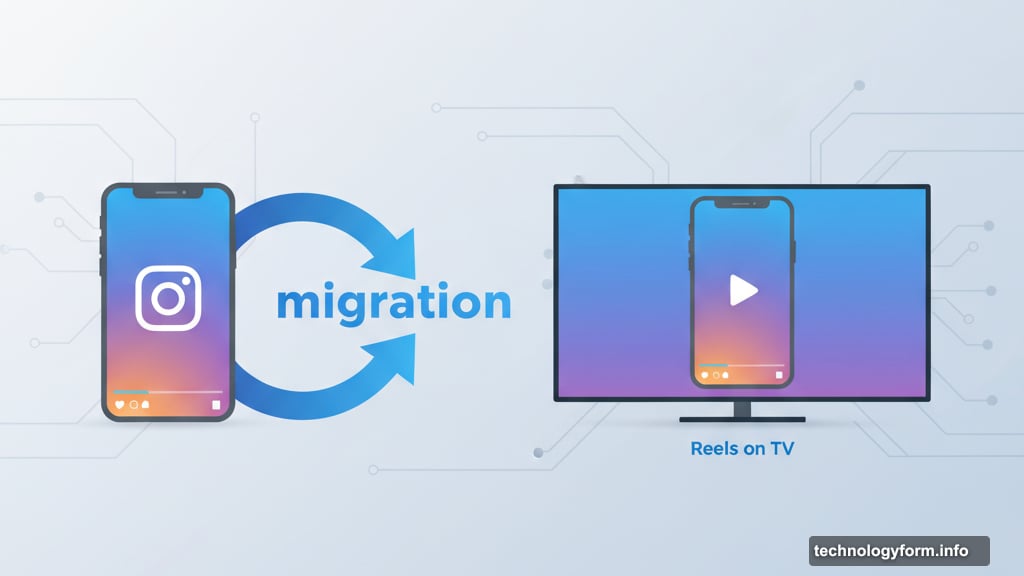
A TV app extends that battlefield. Creators could reach audiences across mobile, desktop, and television with the same content. That unified approach appeals to influencers managing multiple platforms.
But vertical video on horizontal TV screens creates awkward formatting issues. Black bars on both sides. Wasted screen real estate. Viewers trained on widescreen content might find it jarring.
Instagram needs to solve these design challenges before launch. Otherwise, the TV experience feels like a clunky port rather than a native application. And users won’t tolerate poor viewing experiences on their biggest screens.
What Success Looks Like
Instagram doesn’t need to dethrone YouTube. Just carve out meaningful engagement on TV platforms.
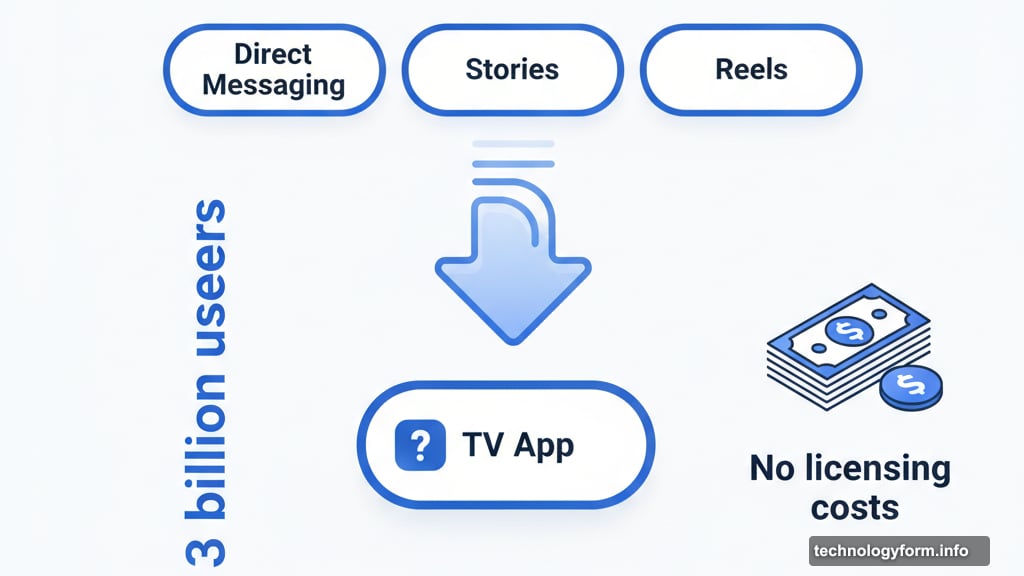
Success means creators see value in the TV distribution channel. It means viewers choose Instagram over competitors for certain content types. And it means Meta can justify development costs with increased watch time and ad revenue.
The timing matters too. Smart TVs and streaming sticks make app installation trivial. So technical barriers to adoption remain low. Plus, younger audiences already blur lines between social media and entertainment.
Instagram’s challenge is execution. Build an interface that works on TV. Convince creators to optimize content for bigger screens. Make the experience different enough from mobile viewing to justify its existence.
The Bigger Picture for Meta
This TV app exploration fits Meta’s broader push into new formats and devices. The company invested billions in VR headsets. Now it’s eyeing television screens.
Meta recognizes that social media consumption fragments across devices. Owning those touchpoints across platforms creates stickier engagement. So a TV app isn’t just about video. It’s about omnipresence in users’ lives.
However, Meta already faces scrutiny over market dominance. Another platform expansion invites regulatory attention. And the company’s track record with new products remains mixed.
Instagram Stories succeeded. Facebook’s Metaverse pivot flopped spectacularly. This TV bet could go either way depending on execution and user reception.