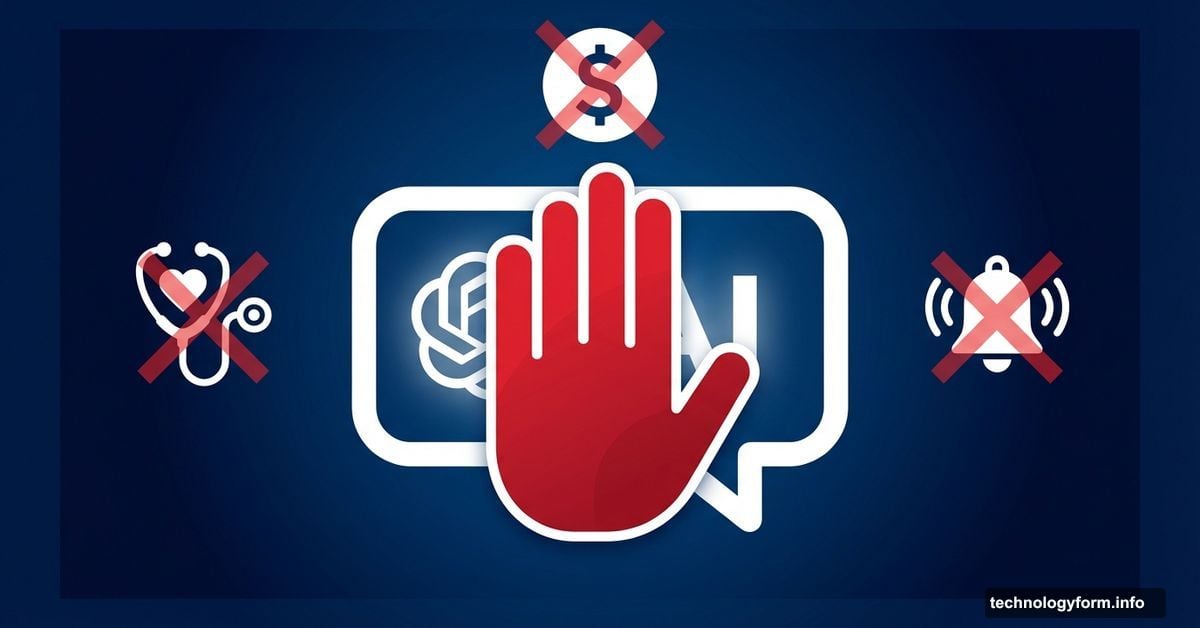
11 Things You Should Handle Yourself Instead of Asking ChatGPT
ChatGPT is genuinely useful for a lot of things. Brainstorming gift ideas, drafting a quick email, explaining a confusing concept — it handles all of that pretty well.
But here’s the thing. ChatGPT doesn’t actually “know” anything. It predicts the next most likely word based on patterns in its training data. That means it can deliver a confident, beautifully written answer that’s completely wrong, outdated, or simply made up. In AI circles, that’s called a hallucination, and it happens more than you’d expect.
For low-stakes tasks, hallucinations are mostly harmless. For high-stakes decisions involving your health, money, or safety? They can cause real damage. Here are 11 situations where you should skip ChatGPT entirely.
Diagnosing Physical Health Issues
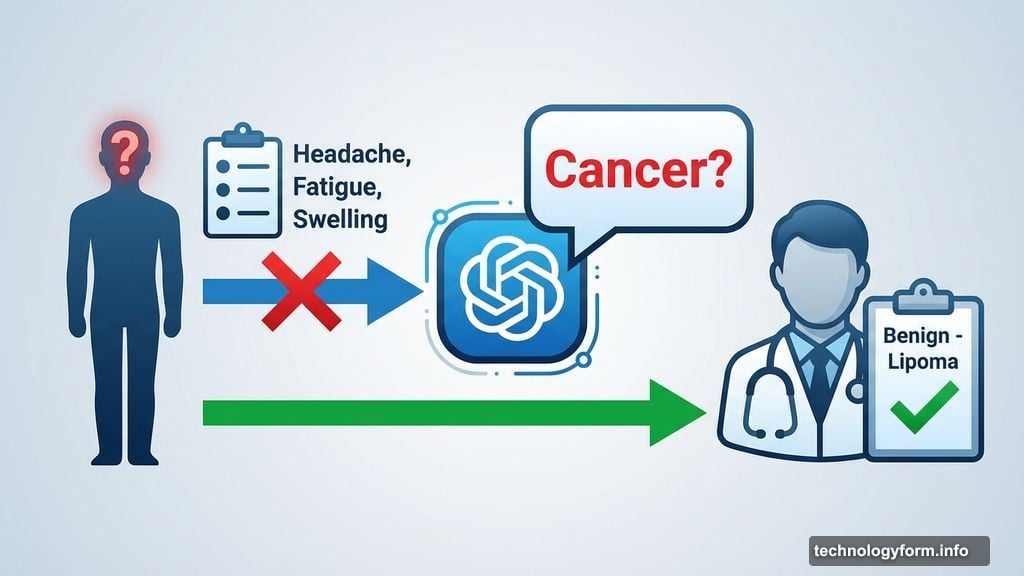
Typing your symptoms into ChatGPT feels convenient, but the results can send you spiraling. The model pulls from a massive range of medical content, so you might get answers ranging from mild dehydration all the way to serious illness — often in the same response.
The author of the original piece actually tested this himself. He entered symptoms of a lipoma — a completely harmless, common growth that affects one in every 1,000 people. ChatGPT suggested cancer. His actual doctor correctly identified it as benign in minutes.
ChatGPT can still help you prepare for a doctor’s visit. It’s great for drafting questions, translating medical jargon, or organizing a timeline of symptoms. But it can’t examine you, order lab work, or carry malpractice insurance. Those limits matter enormously.
Managing Your Mental Health
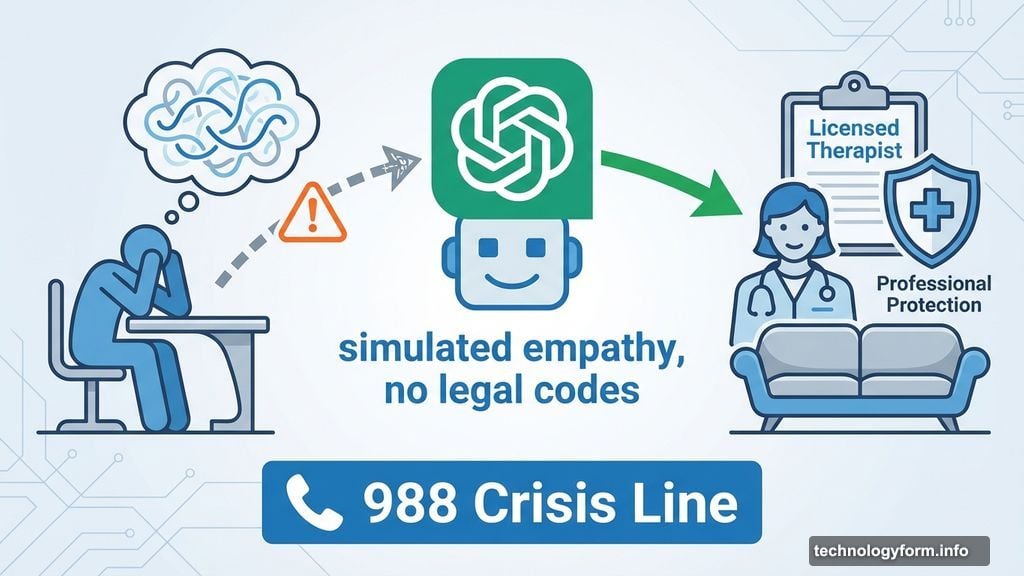
Some people use ChatGPT as a stand-in therapist. And honestly, it can offer grounding techniques or a space to think through feelings. CNET’s Corin Cesaric found it mildly helpful for processing grief, provided she kept its limits firmly in mind.
But ChatGPT can’t read your body language or tone. It has no capacity for genuine empathy — only a simulation of it. And unlike a licensed therapist, it operates under no legal or professional codes that protect you from harm.
Real therapy is hard, messy, human work. It deserves a real, trained human. If you or someone you know is in crisis, please call or text 988 in the US.
Making Immediate Safety Decisions
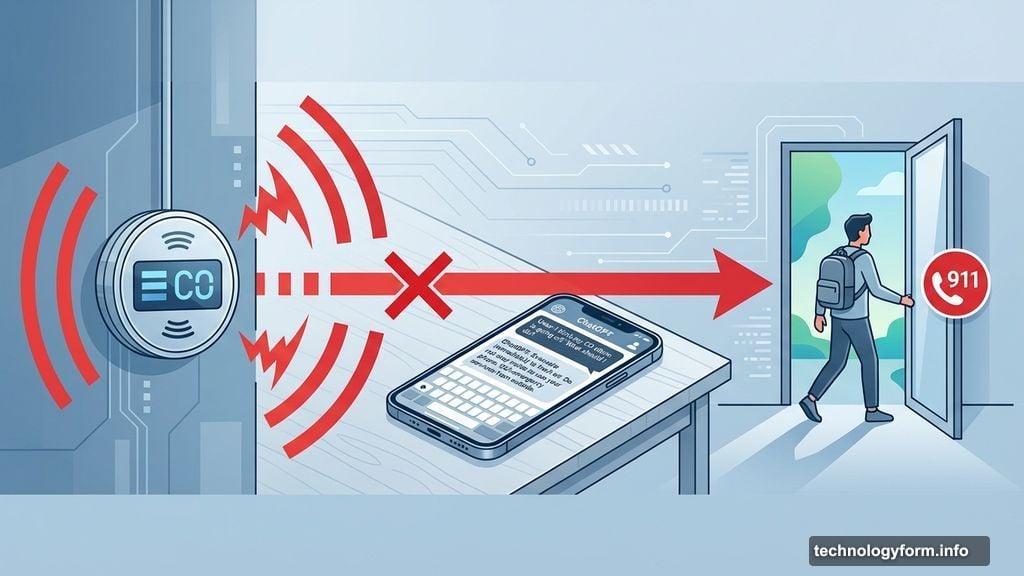
If your carbon monoxide alarm goes off, don’t open ChatGPT. Go outside first. Ask questions later.
Large language models can’t smell gas, detect smoke, or dispatch emergency services. Every second you spend typing is a second you’re not evacuating or calling 911. In a genuine crisis, ChatGPT may give you something to read while you’re in danger. That’s not a tradeoff worth making.
Treat it as a post-incident explainer, never a first responder.
Getting Personalized Financial or Tax Advice
ChatGPT can explain what an ETF is. It can walk you through the basics of a Roth IRA or describe how capital gains taxes generally work. But it doesn’t know your debt-to-income ratio, your filing status, your state tax bracket, or your retirement goals.
Its training data also has a cutoff date, which means its tax guidance may already be outdated by the time you’re reading this. A CPA can catch a hidden deduction worth hundreds of dollars or flag a mistake that could cost you thousands in penalties. ChatGPT cannot.
Also worth noting: anything you share with an AI chatbot — including your income, Social Security number, or bank details — could potentially become part of its training data. That’s a serious privacy risk you shouldn’t ignore.
Handling Confidential or Regulated Data
This applies to a wide range of sensitive information. Client contracts. Medical records. Legal documents. Tax returns. Anything covered by HIPAA, GDPR, or the California Consumer Privacy Act.
Once you paste sensitive data into a prompt window, you lose control of it. It lands on a third-party server. You can’t guarantee who reviews it internally or whether it’s used to train future models. ChatGPT is also not immune to security breaches.
A useful rule of thumb: if you wouldn’t paste it into a public Slack channel, don’t paste it into ChatGPT.
Doing Anything Illegal
This one needs no explanation.
Cheating on Schoolwork
AI-detection tools like Turnitin are improving every semester. Professors are increasingly familiar with what AI-generated writing sounds like. The risks — suspension, expulsion, academic record consequences — are very real.
More importantly, you’re shortchanging yourself. The learning process exists for a reason. Using ChatGPT as a study partner, a concept explainer, or a brainstorming tool is completely reasonable. Using it as a ghostwriter for your essay is not.
Monitoring Breaking News and Real-Time Updates
Since OpenAI introduced ChatGPT Search in late 2024 — and opened it to all users in February 2025 — the chatbot can pull live web results, stock quotes, and sports scores when prompted. That’s genuinely useful.
But it won’t stream updates on its own. You need to ask for a new prompt each time. So when speed matters — a market moving fast, a developing news story, a live event — dedicated news feeds, push alerts, and streaming coverage still do the job better.
Sports Betting and Gambling
One writer admits to hitting a three-way parlay during the NCAA men’s basketball championship with ChatGPT’s help. But he also double-checked every single claim against real-time odds before placing the bet.
And that’s the problem. ChatGPT has been known to hallucinate player statistics, misreport injury status, and get win-loss records wrong. It cannot predict tomorrow’s game outcomes. Relying on it to guide gambling decisions is risky at best and expensive at worst.
Drafting a Will or Legally Binding Contract
ChatGPT is excellent for explaining legal concepts in plain language. Want to understand the difference between a revocable and irrevocable trust? Go ahead and ask.
But the moment you ask it to draft actual legal text, you’re taking a significant gamble. Estate and family law rules vary by state — sometimes by county. A missing witness signature or an incorrect notarization clause can invalidate an entire document.
The smarter approach: use ChatGPT to build a list of questions for your attorney. Then let the attorney turn that list into a document that actually holds up in court.
Creating Art and Passing It Off as Your Own
This last one is a personal opinion, not an objective rule. But it’s worth saying plainly.
Using ChatGPT to brainstorm, explore ideas, or support a creative process is one thing. Using it to generate a finished piece of art — writing, music, visual work — and presenting that as your own creation is something else entirely.
AI can generate outputs that resemble art. But it doesn’t create from lived experience, genuine emotion, or personal perspective. Those are the things that make art worth making and worth experiencing. Supplementing your creativity with AI tools is fair game. Substituting your creativity entirely is where things get uncomfortable.
—
ChatGPT is a powerful tool, and ignoring it completely would mean missing out on real productivity gains. But power without limits is just recklessness. The situations above are where the technology’s weaknesses — hallucinations, outdated training data, privacy vulnerabilities, and no genuine understanding — can cause actual harm.
The best version of AI use is knowing exactly when to lean on it and when to put the phone down and call a real human being. That skill might honestly be more valuable than any prompt you’ll ever write.