Character.AI Just Banned Teens From Its Chatbots. Here’s What Changed
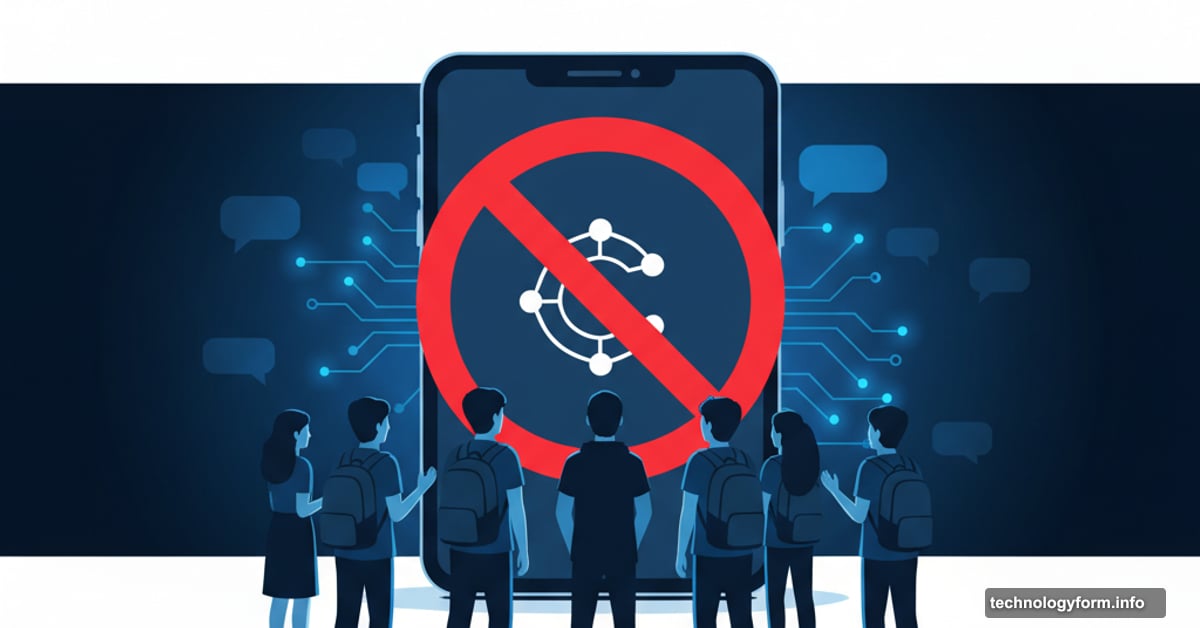
Character.AI pulled the plug on teenage users this week. No more open-ended chats with AI companions for anyone under 18.
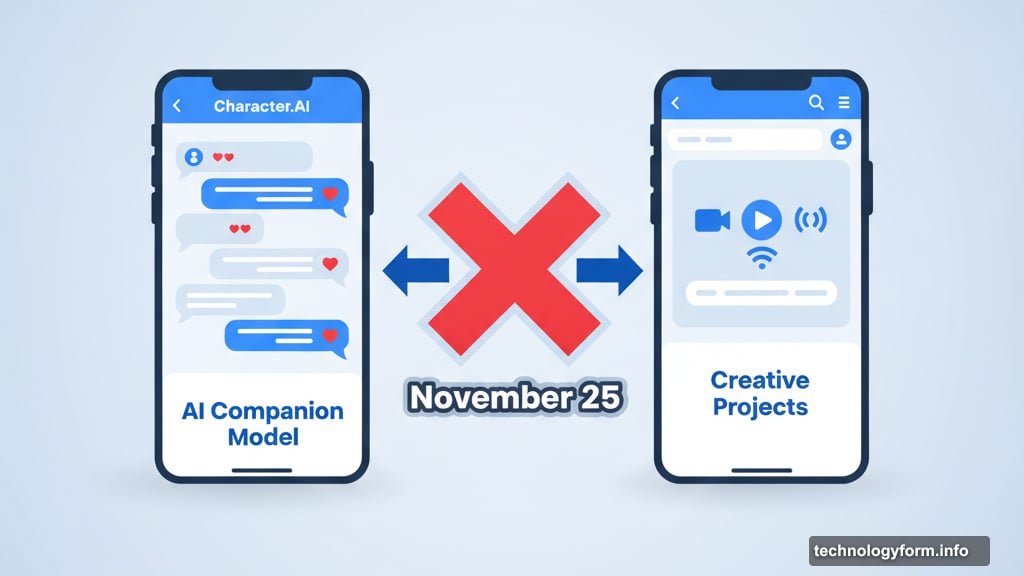
The company announced sweeping restrictions that fundamentally reshape how minors interact with its platform. Starting November 25, teens lose access to the free-flowing conversations that made Character.AI popular in the first place. Instead, they’ll face strict limits and guided experiences focused on creative projects rather than companionship.
This isn’t a minor policy tweak. It’s a complete pivot away from the AI companion model that drove the platform’s growth among younger users.
What Actually Happens on November 25
Character.AI is killing open-ended chatbot conversations for users under 18. That means no more back-and-forth exchanges where teens could chat freely with AI personalities about whatever topics they wanted.
The company is replacing unrestricted access with a two-hour daily limit right now. But that time cap drops further as the November 25 deadline approaches. After that date, traditional chatbot conversations disappear entirely for minors.
Instead, Character.AI wants teens using bots for specific creative tasks. Think making videos or streaming content. Not seeking advice or emotional support from AI companions.
The company also built a new age verification system from scratch. They claim it’ll ensure users get age-appropriate experiences. But details on how it actually works remain vague.
Why This Is Happening Now
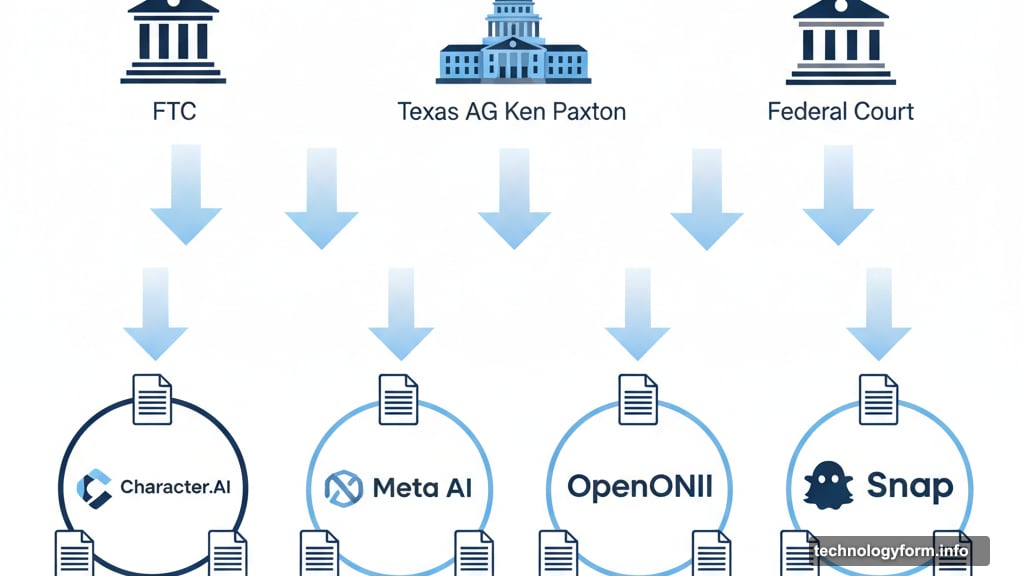
Federal regulators finally forced the issue. The FTC launched a formal investigation into AI companion chatbots earlier this year. Character.AI made the list alongside Meta, OpenAI, and Snap.
Texas Attorney General Ken Paxton went after Character.AI and Meta AI specifically. His complaint? Chatbots positioning themselves as therapeutic tools without proper qualifications. That’s a serious legal problem when minors are involved.
Then the lawsuits started piling up. The family of 16-year-old Adam Raine filed an amended lawsuit against OpenAI last week. They claim ChatGPT contributed to their son’s death by weakening self-harm protections. Similar legal threats now loom over every AI chatbot platform.
Character.AI CEO Karandeep Anand told TechCrunch the company is pivoting hard. Away from AI companions. Toward a “role-playing platform” focused on creative projects instead of emotional engagement.
Translation? The companion chatbot business model became legally toxic for serving minors. So they’re abandoning it before lawsuits destroy the company.
The Real Problem Nobody Fixed
Here’s what bugs me about this solution. Character.AI is treating symptoms while ignoring the disease.
Young people turned to AI chatbots because they’re lonely, anxious, and struggling to connect with peers. Banning teen access doesn’t address why millions of kids preferred talking to bots over humans in the first place.
Plus, enforcement remains questionable. Kids lie about their ages constantly online. Character.AI’s new “age assurance tool” might catch some users. But determined teens will find workarounds within days.
The company also launched an “AI Safety Lab” for collaboration with researchers and other companies. Sounds impressive. But similar industry initiatives have historically produced more press releases than actual progress.
What Comes Next for AI Companions
Every AI chatbot company now faces the same choice. Keep serving teens and risk regulatory destruction. Or cut off younger users and lose massive revenue.
Most will follow Character.AI’s lead. Expect similar restrictions from ChatGPT, Claude, and other major platforms soon. The legal liability simply outweighs the business opportunity.
But this creates a new problem. Teens don’t stop being lonely just because we ban them from chatbots. They’ll migrate to less regulated platforms with weaker safety measures. Or find ways to circumvent age restrictions entirely.
The root issues driving teen dependence on AI companions remain unaddressed. Social isolation. Mental health crises. Lack of accessible support systems. Banning chatbot access treats none of those underlying causes.
Character.AI’s pivot might protect the company legally. But it doesn’t protect vulnerable teens who turned to AI because human support systems failed them. Until we fix those foundational problems, we’re just playing whack-a-mole with platforms while kids continue suffering.