
X Killed DMs. The New Chat App Has One Glaring Flaw
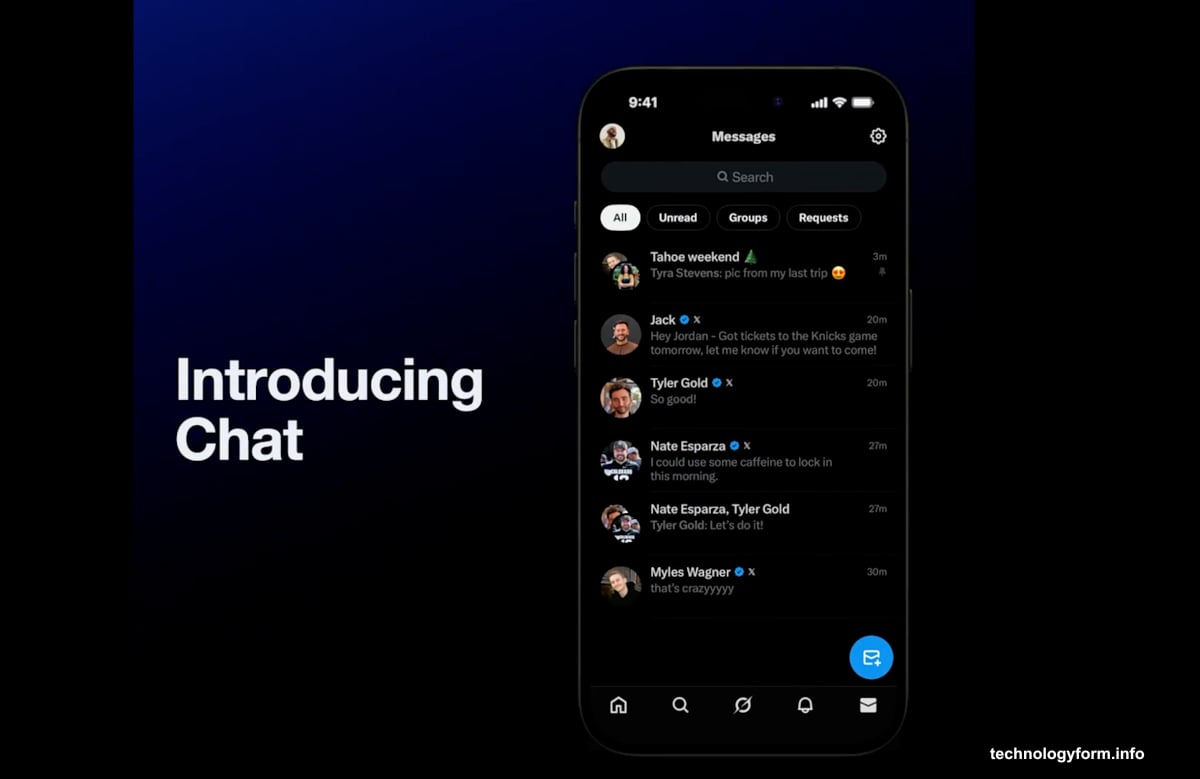
X just replaced its basic messaging with something closer to a real chat app. Video calls, file sharing, and encryption all landed at once.
Sounds good on paper. But there’s a catch that makes the encryption feature less secure than you’d hope. Let’s break down what actually works and what doesn’t.
What Changed in X Chat
DMs are dead. X replaced them with “Chat,” a messaging platform that finally matches features other apps offered years ago.
The new system includes video and voice calling. You can now talk face-to-face with other X users directly in the app. Plus, file sharing works without workarounds, and you can edit or delete messages after sending them.
That’s the surface level. The deeper changes matter more for privacy-focused users.
Encryption Arrives, But With Limits
X rolled out end-to-end encryption earlier this year, then paused it in May. Now it’s back with fewer restrictions.
Group chats can use encryption now. Media files get encrypted too. Both features were missing in the first version, making encrypted messaging nearly useless for most people.
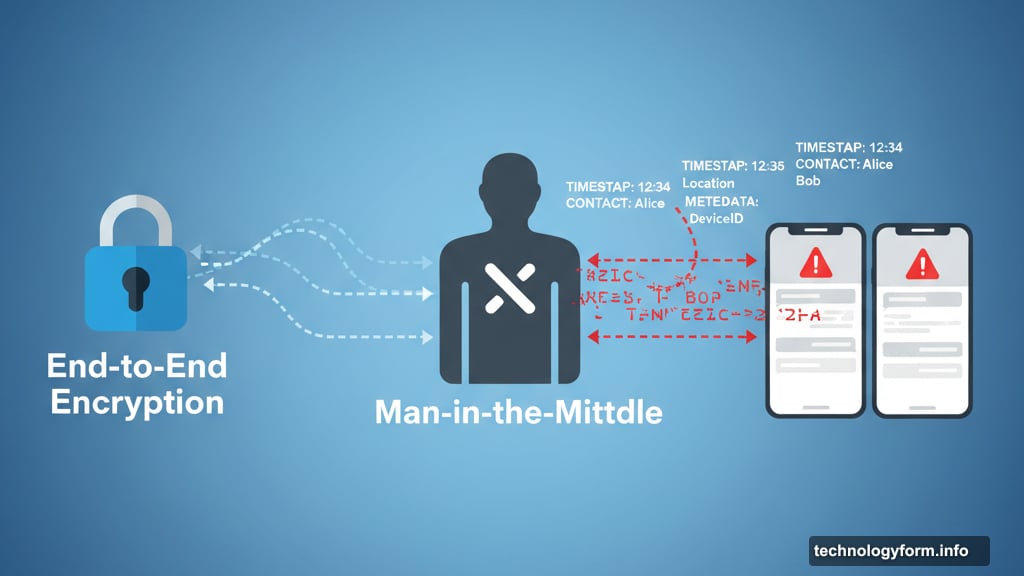
However, X’s own help documentation reveals a serious weakness. The platform doesn’t protect against man-in-the-middle attacks. That means someone intercepting your conversation could read everything without you knowing.
Think about what that means. A malicious insider at X could compromise your chat. Or law enforcement could force X to hand over messages. In either case, you’d never know your supposedly private conversation got exposed.
Moreover, metadata stays unencrypted. Information about who you’re talking to, when you messaged them, and how often remains visible. So even if message content stays private, your communication patterns don’t.
Screenshot Alerts Sound Good, Work Poorly
X added screenshot notifications to warn you when someone captures your messages. Sounds helpful. But this feature only works if the other person uses X’s official app.
Anyone using a third-party client can screenshot freely. Plus, people can just photograph their screen with another device. So screenshot alerts provide a false sense of security more than real protection.
Other messaging apps solved this years ago with temporary messages that disappear. X hasn’t implemented anything similar yet.
Platform Rollout Feels Half-Baked
The feature launched on iOS and web first. Android users got a “coming soon” promise with no specific timeline.
That’s frustrating for Android’s massive user base. Plus, it fragments the experience. Some users can access full Chat features while others remain stuck with old DMs.
X also promised voice memos for audio messages. But that feature isn’t available yet either. So the rollout feels incomplete despite the big announcement.
Missing Features Other Apps Mastered
Compare X Chat to Signal, WhatsApp, or Telegram. Those apps offer verification systems so you can confirm you’re talking to the right person. X admits it doesn’t have this yet but says it’s “working on features” to add it.
Without verification, how do you know the person on the other end is who they claim to be? You don’t. That’s a basic security feature X should have included from day one.
Furthermore, X’s encryption doesn’t cover group video calls or voice chats. Only text messages and one-on-one calls get protection. Group conversations remain exposed.
Why This Matters for X Users
Most people won’t care about encryption technicalities. They’ll see video calling and file sharing as improvements over bare-bones DMs.
But anyone using X for sensitive communications needs to understand the platform’s limitations. Journalists, activists, and business users can’t rely on X Chat for truly private conversations.
In fact, X’s own documentation basically says “don’t trust this for anything important.” They openly admit the encryption can be compromised without user knowledge.

That’s not how secure messaging should work.
Better Alternatives Exist
Signal remains the gold standard for private messaging. Its encryption protects against man-in-the-middle attacks. Plus, it includes verification features X lacks.
WhatsApp offers similar security with a larger user base. Telegram provides options for secret chats with additional protections.
So if you need real privacy, use those apps. X Chat works fine for casual conversations and public discussions. But it’s not ready for anything sensitive.
The Real Problem X Won’t Fix
X built Chat to keep users on their platform longer. More engagement means more ad revenue. Security features got added because users demanded them, not because privacy drives X’s business model.
That fundamental tension won’t disappear. X needs to collect data and serve ads to make money. Strong encryption works against those goals.
So expect X Chat to improve gradually. But don’t expect it to match privacy-focused apps that don’t rely on advertising revenue.
Use X Chat for convenience. Use Signal for security. Those two use cases probably won’t overlap anytime soon.