The Indie Web Is Making the Internet Weird Again
Remember when websites had sparkly backgrounds and autoplay music? That chaos is back. And it’s glorious.
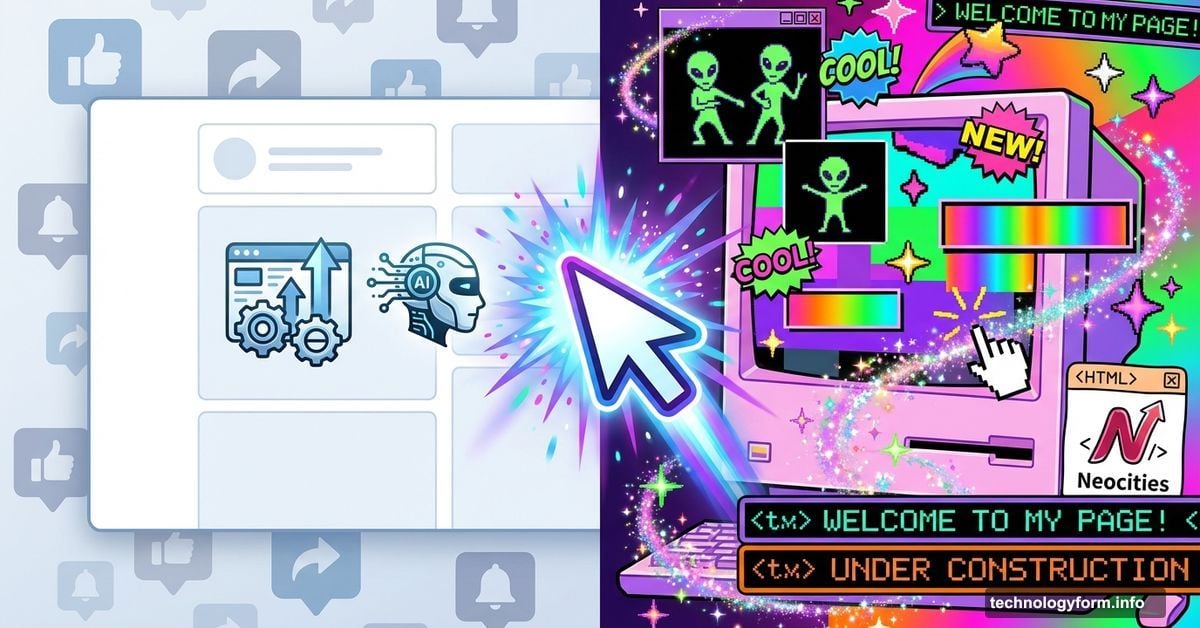
The indie web movement is exploding right now. People are abandoning social media’s sterile feeds for personal HTML sites that feel like digital time capsules. Plus, they’re doing it without caring what algorithms think.
This isn’t nostalgia. It’s rebellion against AI slop, infinite scroll, and corporate control of our online lives.
GeoCities Died. Something Better Rose
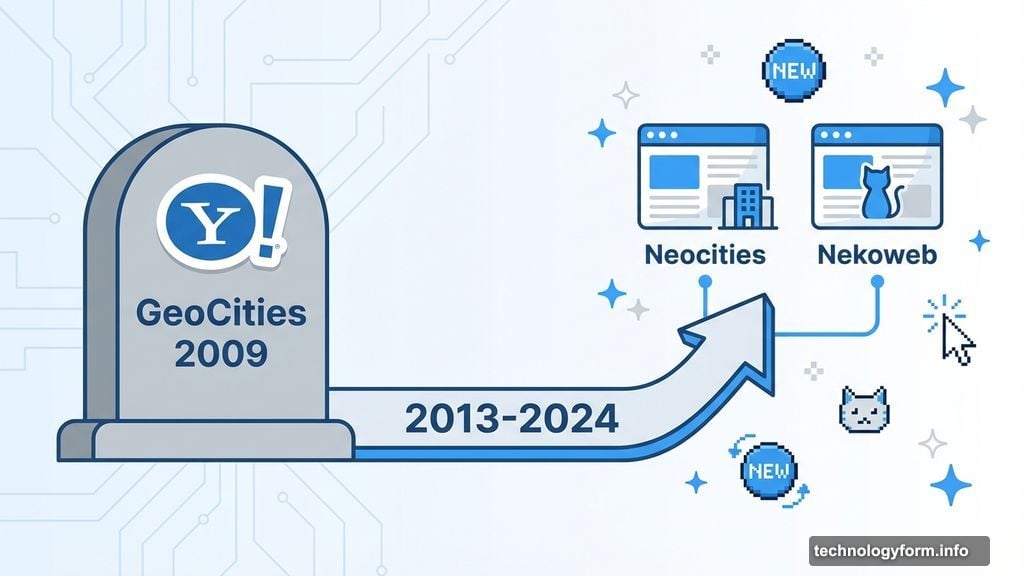
GeoCities shut down in 2009, taking millions of personal websites with it. Yahoo killed a massive chunk of internet history overnight.
Most people moved to Facebook and never looked back. But some developers saw what was lost. In 2013, Kyle Drake launched Neocities as a free web hosting service mimicking GeoCities’ original vision.
Fast forward to 2024. Nekoweb joined the fight. Together, these platforms now host thousands of hand-coded websites that reject modern web design principles entirely.
The trend picked up serious momentum over the past two years. Why? People are tired of AI scrapers stealing their work. They’re exhausted by doomscrolling. And they’re done with algorithms deciding what they see.
So they’re building their own corners of the internet instead.
AI Scrapers Aren’t Welcome Here
The indie web’s hatred of AI runs deep. When Neocities briefly added an AI assistant called “Penelope” to its code editor, users revolted.
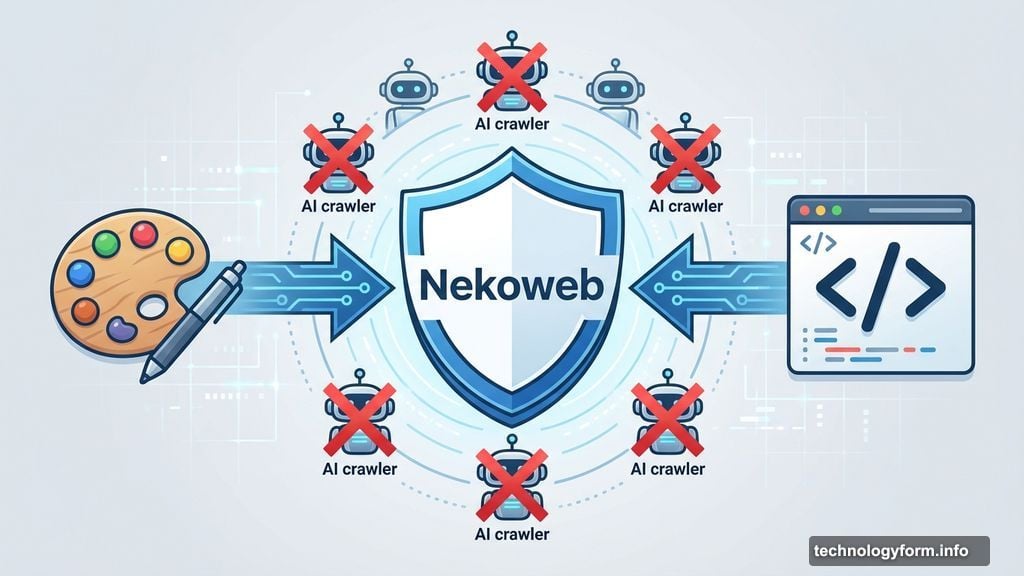
Some fled to Nekoweb, which explicitly blocks AI crawlers. Others stayed but demanded Neocities remove the feature. The message was clear: keep artificial intelligence out of our creative spaces.
This intensity makes sense. Artists watch AI generators steal their styles. Writers see chatbots regurgitate their work. Meanwhile, the indie web offers sanctuary from all that.
Nekoweb even advertises AI blocking as a core feature. That’s not a minor selling point. It’s the whole pitch.
Ugly Websites Are Beautiful Again
Modern web design prizes minimalism. Clean lines. Lots of white space. Optimized load times.
The indie web throws all that out. Sites feature pixelated gifs, wild color schemes, and animated layouts that might trigger motion sickness. Some pages look like they were designed in 1998. Because that’s exactly the aesthetic their creators want.
Take Frutiger Aero Archive, a shrine to early 2000s design language. Or sites recreating Windows 98 as interactive experiences. These pages embrace maximalism without apology.
Nothing is optimized for mobile. Search engines can’t parse half of them. And that’s entirely the point.
Creators aren’t chasing engagement metrics. They’re making weird stuff because weird stuff is fun. The result feels refreshingly human in a way Instagram never could.
Communities Form Without Algorithms

Social media algorithms decide who sees your content. The indie web works differently.
Webrings connect related sites manually. Web gardens display 250×250 pixel icons linking to other creators’ pages. Many sites include “neighbors” sections inspired by old GeoCities neighborhoods.
These connections happen through human curation, not machine learning. You discover new sites by clicking links people chose to share, not because an algorithm predicted you’d like them.
Certain communities thrive here. Artists fleeing AI-generated content floods. LGBTQ+ folks escaping hostile moderation on major platforms. Both groups find the indie web more welcoming than corporate social media.
Twitter removed its deadnaming policy after Musk’s takeover. Instagram’s algorithm buries art under AI slop. So these communities are building their own spaces instead.
The indie web doesn’t promise viral growth. It offers something better: actual connection with real people who share your interests.
It Feels Like Exploring Again
Wandering through Neocities and Nekoweb sites triggered a feeling I haven’t associated with the internet since elementary school. Genuine curiosity about what the next page would show.
No infinite scroll. No desperate pop-ups begging you to subscribe. Just websites existing without demanding anything in return.
Some sites play unexpected music when you enter. Others contain journal entries revealing actual human thoughts rather than carefully crafted social media personas. A few even recreate that slight unease of stumbling onto something creepy or strange.
Modern internet spaces feel transactional. Click here, scroll there, watch this ad, give us your email. The indie web asks for nothing. Many sites invite you to sign a guestbook if you’d like. That’s it.
This shift matters more than it sounds. When was the last time you explored the internet without feeling like something was trying to extract value from your attention?
Social Media Fractures Push People Away
Twitter’s collapse as the default social hub changed how people think about online spaces. No single platform dominates conversation anymore.
This fragmentation makes the algorithm-free indie web easier to adopt. If you’re already juggling Bluesky, Threads, and Discord, adding a personal website doesn’t feel that strange.
Plus, increased age-gating and censorship on major platforms drive creators toward decentralized alternatives. The indie web is harder to regulate but gives creators more control.
You decide what content appears on your site. No corporate TOS dictates what you can post. No automated moderation bans you for unclear reasons.
That freedom comes with responsibility, though. The indie web will eventually face the same moderation challenges the old web dealt with. Decentralization makes combating cyberbullying harder.
But for now, the trade-off feels worth it to many users.
Coding Survives in an AI World
AI can generate HTML websites instantly. So why are thousands of people learning to code them manually?
Because the process matters as much as the result. Making a personal website yourself, even if it’s ugly or broken, teaches you how the web actually works.
As AI discourages people from pursuing coding education, the indie web keeps programming skills alive. Communities share HTML tutorials. Creators help each other debug CSS. Learning happens through making things, not just prompting chatbots.
This parallels vinyl’s resurgence. Most people stream music. But a dedicated group still buys records because the format offers something streaming doesn’t.
The indie web won’t replace social media. It doesn’t need to. It just needs to exist as an alternative for people who want something different.
Where This Goes Next
Expect the indie web to grow steadily over the next few years, especially if social media platforms get more hostile. More AI content. More age verification. More censorship.
Each change will push another wave of users toward platforms like Neocities and Nekoweb. The trend won’t reach GeoCities’ peak. But it’ll sustain a vibrant community of people who remember the internet can be weird and personal.
Browser games might even make a comeback alongside it. Games like Messenger and projects on Itch.io show there’s still appetite for playful, non-commercial web experiences.
The indie web represents something rare in tech: a movement driven by rejection rather than innovation. It’s not about building something better. It’s about reclaiming something lost.
Your messy, unfinished personal website matters more than your perfectly curated Instagram grid. At least, that’s what the indie web believes.
And honestly? That belief might be exactly what the internet needs right now.