Instagram and TikTok Are Quietly Turning Your Posts Into Ads Without Asking
You didn’t sign up to be a brand ambassador. But Instagram might have made you one anyway.
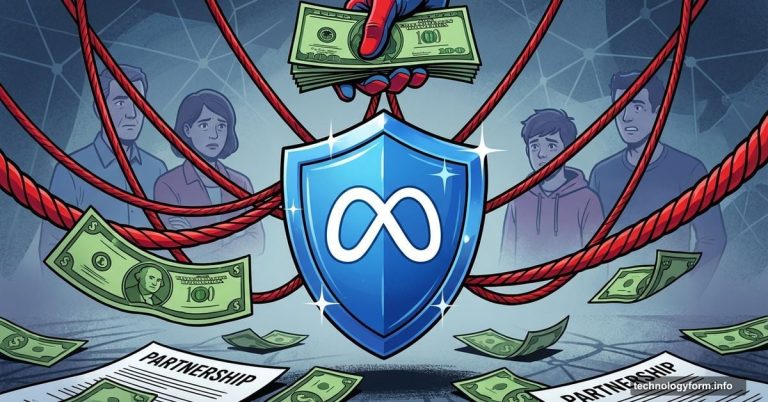
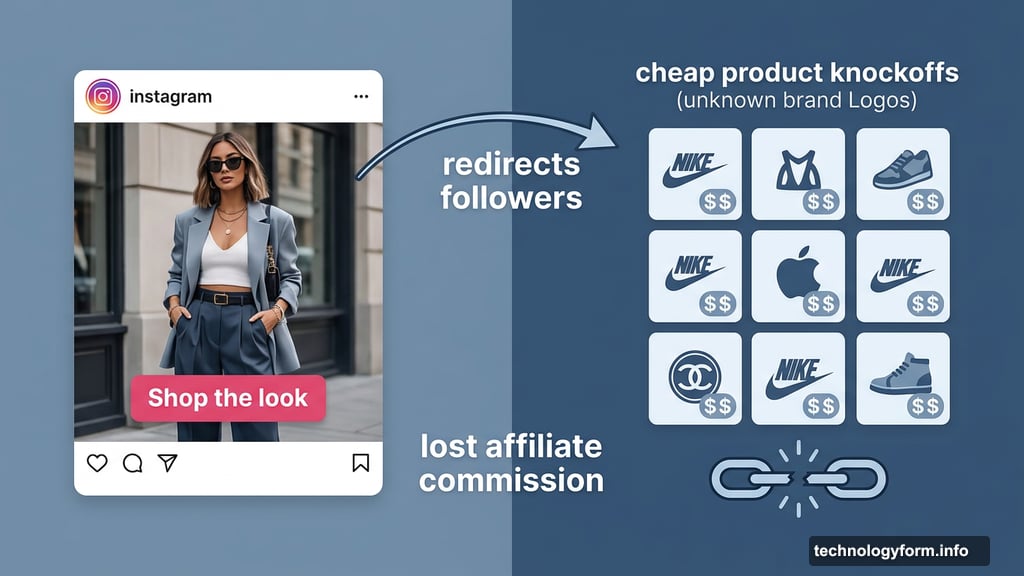
In late February, influencer Julia Berolzheimer — who has over a million followers and earns her living promoting clothing brands — discovered something alarming. Instagram had quietly added a “Shop the look” button to her posts without her knowledge. When her followers clicked it, they weren’t taken to the products she actually endorsed. Instead, they were shown cheap lookalikes from brands she’d never heard of.
“My followers were being shown cheap knockoffs and random items from brands I’ve never heard of, attached to my image, under my name,” Berolzheimer wrote on Substack. She only found out because someone else told her.
And here’s the part that should make everyone stop scrolling: this isn’t just a problem for people with a million followers. It could be happening to your posts right now.
Instagram’s “Shop the Look” Feature Nobody Consented To
Meta confirmed the feature exists. A spokesperson told The Verge it’s “a limited test intended to help people explore products that match their interests when they’re viewing posts or reels.”
But that explanation glosses over the real issue. Berolzheimer’s entire business model depends on followers trusting her recommendations. When Instagram attaches a shopping button to her face and posts, it signals to her audience that she endorses whatever pops up. She doesn’t. And she had no say in the matter.
There’s also a direct financial hit. Influencers earn commissions through their own affiliate links. When Instagram redirects followers to lookalike products instead, that commission disappears. Another platform steps in and captures the value her audience relationship created.
Meta says it takes no commission on those sales. But that doesn’t undo the damage to an influencer’s credibility or income.
TikTok Has Been Doing This Longer Than You Think
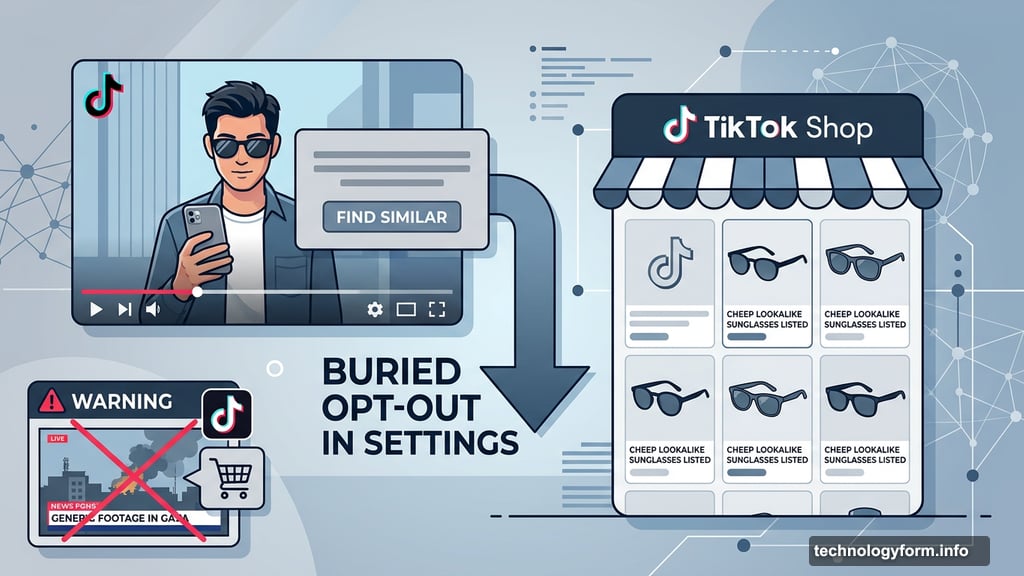
Instagram isn’t the first to test this kind of feature. Back in September 2024, TikTok quietly rolled out something nearly identical called “Find similar.” Pause a video and a button pops up, automatically linking to products on TikTok Shop that resemble whatever appears on screen.
The feature used strangers’ sunglasses to push cheap lookalikes. A children’s content creator’s video became a gateway for selling similar dresses. Most disturbingly, The Verge found the feature applied to videos coming out of Gaza, effectively turning footage of mass killings into TikTok Shop promotions.
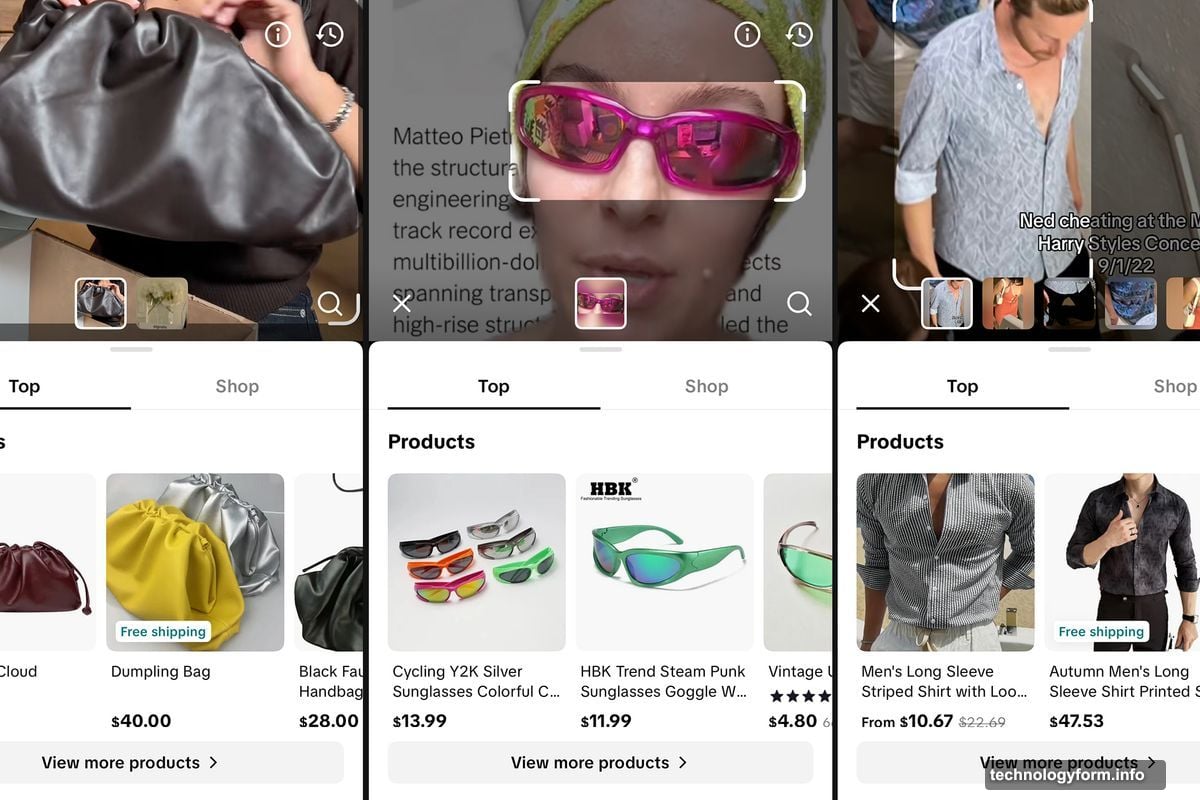
Users had no idea their content was being used this way. The opt-out option was buried deep in settings — not exactly front and center. TikTok said at the time it would address the issue. But recently, the “Find similar” button appeared again on a video from an account with just over 400 followers. This feature is here to stay.
Why Ordinary Users Are Now Fair Game
![Split-screen comparison showing Instagram’s “Shop the look” and TikTok’s “Find similar” AI shopping buttons overlaid on social media posts]
The creator economy was supposed to work a certain way. Brands pay influencers with big audiences because those creators have built real trust with their followers. That relationship — built over years of honest recommendations — is what makes the endorsement worth something.
But that model has been fragmenting for a while now. Micro-influencers and nano-influencers with a few thousand followers hustle as a side gig. Marketers increasingly target everyday users who produce content that looks unpolished and organic, because authenticity sells better than obvious advertising.
A whole advertising category called UGC — user-generated content — hires creators not for their audience size but simply for their ability to make videos and photos. Platforms like Fiverr are flooded with UGC offers, with rates starting as low as $20. The bar for who counts as a “creator” worth monetizing has dropped to practically zero.
And then there are stranger cases still. Internet culture reporter Kate Lindsay recently discovered a photo of herself and her husband being used to sell picture frames — without her knowledge or permission.
AI Shopping Tools See Every Post as Product Inventory
Here’s what connects all of these cases. AI systems now scan social media content and extract commercial value from it automatically. They don’t need your permission. They don’t need you to have a following. They just need your post to contain something that looks like a purchasable product.
That shirt you wore in a birthday photo? Potential inventory. The sunglasses in your beach shot? A shopping recommendation waiting to happen. The furniture visible in your living room selfie? Someone somewhere might see a “Find similar” button hovering over it.
The conventional assumption was that only people who actively chose to participate in the creator economy would be subject to its commercial machinery. That assumption no longer holds. The platforms have decided that every post is fair game, and the AI tools to extract that value already exist and are being deployed.
The Promise That Didn’t Quite Land
When the creator economy exploded during the COVID-19 pandemic in 2020, the pitch was exciting. Anyone could build an audience, earn money, and maybe even find real influence. That narrative attracted millions of people who started posting, filming, and building small communities online.
In practice, making real money required significant luck, timing, and resources that most people didn’t have. The slot-machine logic of recommendation algorithms meant success was largely unpredictable.
But now, something genuinely strange has happened. The original promise — that everyone could be an influencer — has technically come true. Just not in the way anyone hoped. Your content can now promote products to your followers without you knowing, without your consent, and without you earning anything from it.
The platforms get the commercial benefit. The brands selling lookalike products get the sales. You get your photo attached to something you’d never recommend.
That’s not influence. That’s your image being borrowed without the courtesy of asking first.
If you use Instagram or TikTok and post anything that contains visible products — clothing, accessories, furniture, electronics, anything — it’s worth checking your settings now. The opt-out options exist, even if the platforms have made them inconvenient to find. Because the default, increasingly, is that you’re in.