Bumble’s New AI Assistant Bee Wants to End Mindless Swiping for Good
Tired of swiping through endless profiles and landing in dead-end conversations? Bumble thinks it has the answer, and it involves a personal AI matchmaker that actually learns who you are.
The dating app announced a major platform overhaul during its 2025 fourth-quarter earnings call. CEO Whitney Wolfe Herd unveiled Bumble 2.0, a revamped experience expected to roll out this spring. The centerpiece? An AI assistant called Bee and a completely new way to build your dating profile.
Chapter-Based Profiles Replace the Static Snapshot
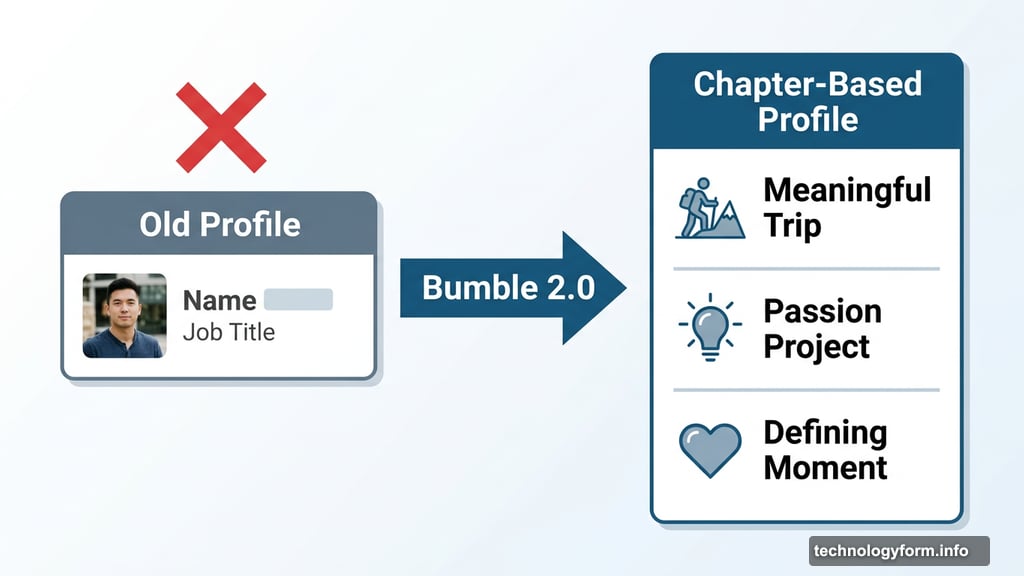
Right now, most dating profiles look the same. You get a name, a few photos, maybe a job title and hometown. Then you swipe. It takes about a second to decide, and that’s the whole process.
Bumble wants to change that. Their new “chapter-based profile” format lets members share different sections of their lives, almost like short story excerpts. One chapter might cover a meaningful trip. Another could highlight a passion project or a defining personal moment. The idea is to give potential matches something real to connect with before making that snap judgment.
Wolfe Herd put it plainly during the earnings call. “Ultimately, dating only works when you really understand the story of someone,” she said. “Everyone has a story to tell, and this is where people become interesting.”
So instead of dismissing someone based on a thumbnail photo, users might pause when they notice a shared obsession with hiking in Patagonia or a similar complicated relationship with their hometown. That’s the spark Bumble is chasing.
Bee Learns Who You Are, Then Finds Compatible Matches
Beyond the profile redesign, Bumble is introducing Bee as a full personal dating assistant. This isn’t just a chatbot that suggests icebreakers. Bee is designed to learn your values, relationship goals, communication style, lifestyle preferences and dating intentions over time.
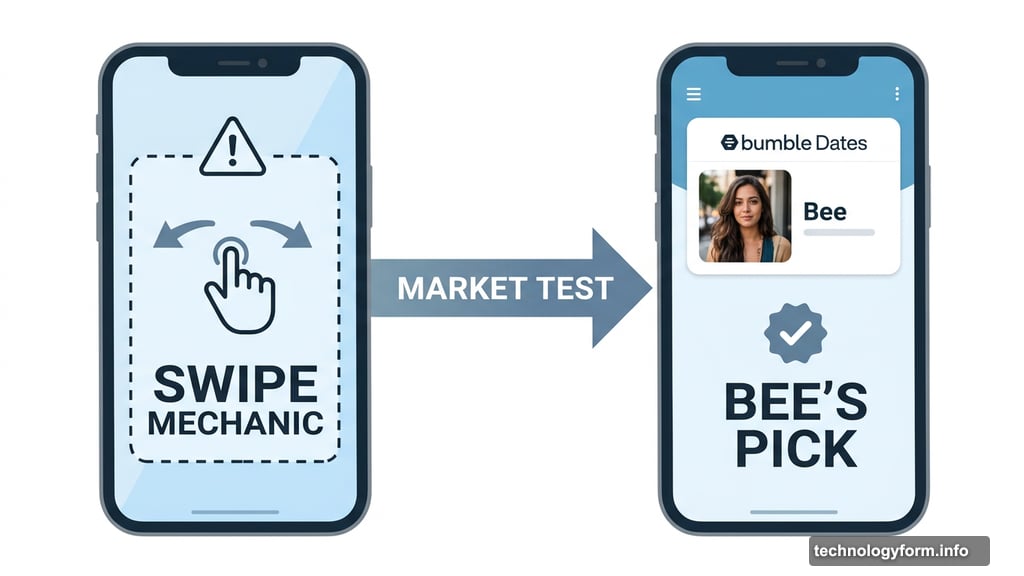
Based on all that, Bee will identify what Bumble calls “mutual compatibility” with other members. If you want to use the app’s new Dates feature, Bee can surface a specific person it thinks fits what you’re looking for, rather than making you scroll through hundreds of strangers hoping something clicks.
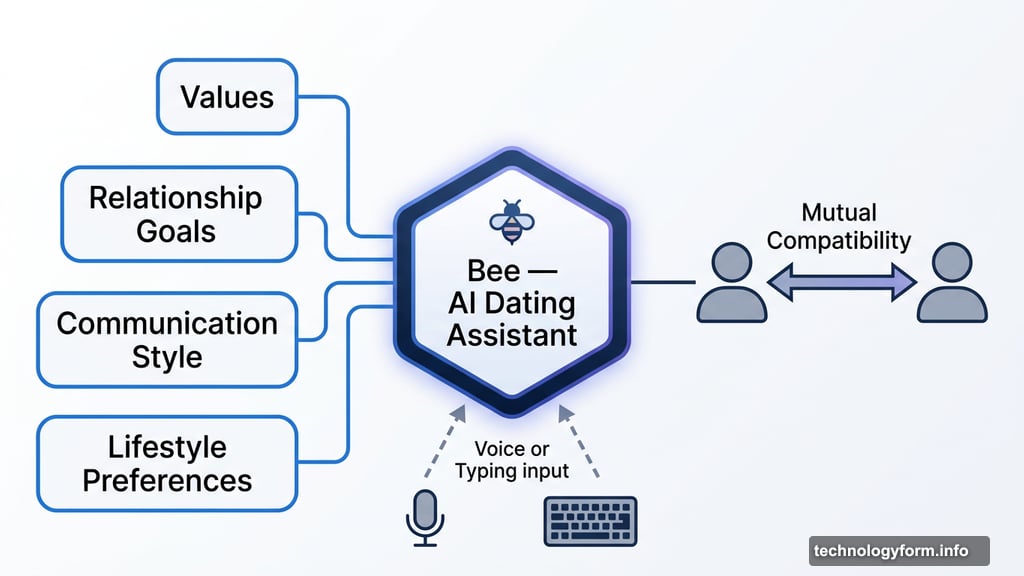
That learning process can happen through typing or voice, which gives it a more conversational feel. Think of it less like a search engine and more like a knowledgeable friend who actually remembers what you told them last week.
Bumble plans to start beta testing Bee with a select group of users soon. The full rollout timing hasn’t been confirmed beyond “this spring.”
Could the Swipe Actually Disappear?
Here’s where things get really interesting. Wolfe Herd said Bumble may test removing the swipe mechanic entirely in certain markets. If the experiment works, swiping could go the way of the flip phone in some parts of the world.
That’s a bold move. Swiping is basically synonymous with modern dating apps at this point. But Wolfe Herd argued that the format reduces people to split-second visual judgments and leaves too many conversations dying in “dead-end chat zones.” The chapter-based profiles and Bee are meant to solve both problems together.
The richer profiles also give Bumble more detailed data to power Bee’s matchmaking, which creates a useful feedback loop. The more members share, the smarter Bee gets at finding genuine compatibility.
Other Dating Apps Are Already Using AI Too
Bumble isn’t alone in bringing AI into the matchmaking process. Grindr has a “wingman” chatbot that helps members write responses, spot potential matches and even plan dates. Tinder and Hinge, both owned by Match Group, use AI tools to generate icebreakers and improve member interactions. Hinge launched its Convo Starters feature late last year specifically to help people get past awkward opening messages.
Still, Bumble’s approach with Bee sounds more ambitious than what competitors have rolled out so far. Learning someone’s values and relationship goals over time is a different challenge than suggesting a clever opening line.
Whether it works depends on whether users actually trust an AI to understand what they’re looking for in a partner. That’s a high bar. But if Bee can even partially crack that problem, it might make online dating feel less like a part-time job and more like something worth doing again.
The spring launch will tell us a lot. For now, Bumble is betting that your love life deserves a better algorithm.