ChatGPT Is Better at These 9 Tasks Than You’d Expect
Most people open ChatGPT, ask one question, get a weird answer, and close the tab forever. That’s a shame. Because when you use it for the right things, it’s genuinely useful.
Sure, ChatGPT hallucinates. It makes stuff up. It’ll confidently tell you wrong things sometimes. So you should always double-check anything important it tells you. But for certain everyday tasks, it punches well above its weight.
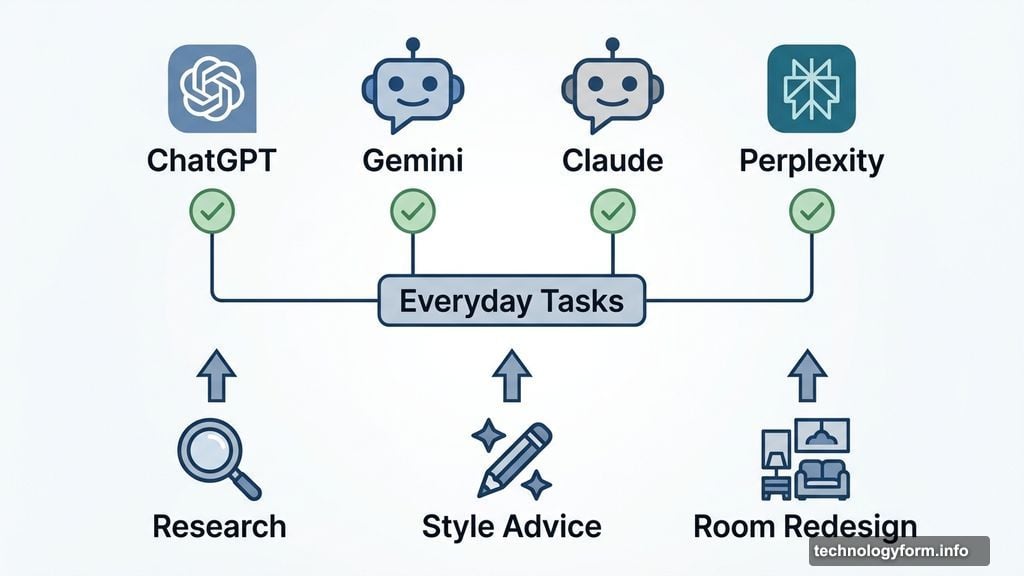
Other chatbots work just as well for most of this, by the way. Google’s Gemini, Anthropic’s Claude, and Perplexity all handle these tasks beautifully. So if ChatGPT isn’t your thing, you’ve got options.
Here are nine areas where AI chatbots genuinely shine.
ChatGPT as a Supercharged Search Engine
Forget the basic ten blue links. ChatGPT pulls information together from across topics and delivers it in one clean, conversational interface.
There’s an interesting generational split happening here. Millennials tend to use ChatGPT like a search engine on steroids. Gen Z uses it more like a life advisor. Both approaches make sense.
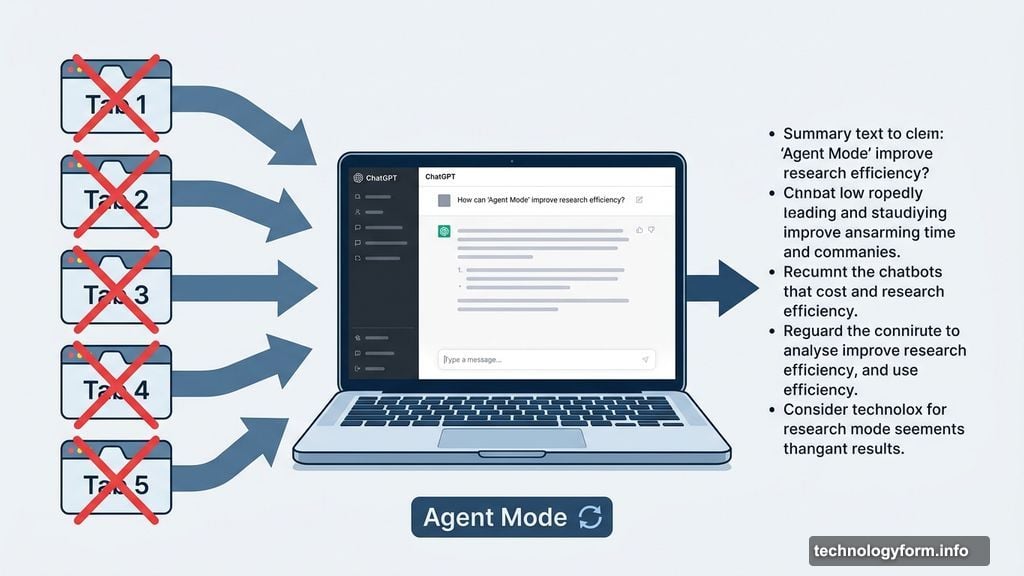
For quick questions, it’s fast. For deep research on a specific topic, it’s even better. You can ask follow-up questions, request summaries, and dig into details without opening twelve different browser tabs.
Plus, ChatGPT’s Agent Mode can run searches for you in the background while you handle something else. That’s a genuinely useful time-saver.
![A person typing a research question into ChatGPT on a laptop, with the chatbot interface visible on screen]
Beauty and Style Advice That’s Actually Personal
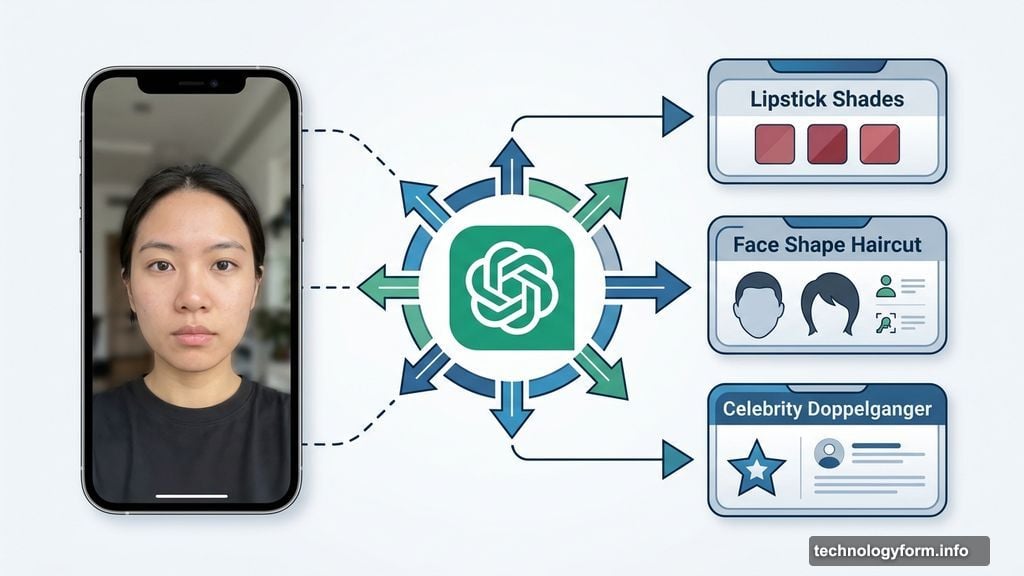
This one’s more fun than people expect. Upload a selfie and ask ChatGPT which lipstick shades suit your skin tone, what haircut works for your face shape, or how to pull together an outfit you’re unsure about.
You can even ask who your celebrity doppelganger is. Or, if you’re feeling bold, ask it to predict how you might age and what skincare habits could help. It’s surprisingly thoughtful with visual inputs.
Obviously, your stylist or best friend knows you better. But for a quick second opinion at midnight when you’re planning an outfit? ChatGPT delivers.
Menu Planning From Whatever’s in Your Fridge
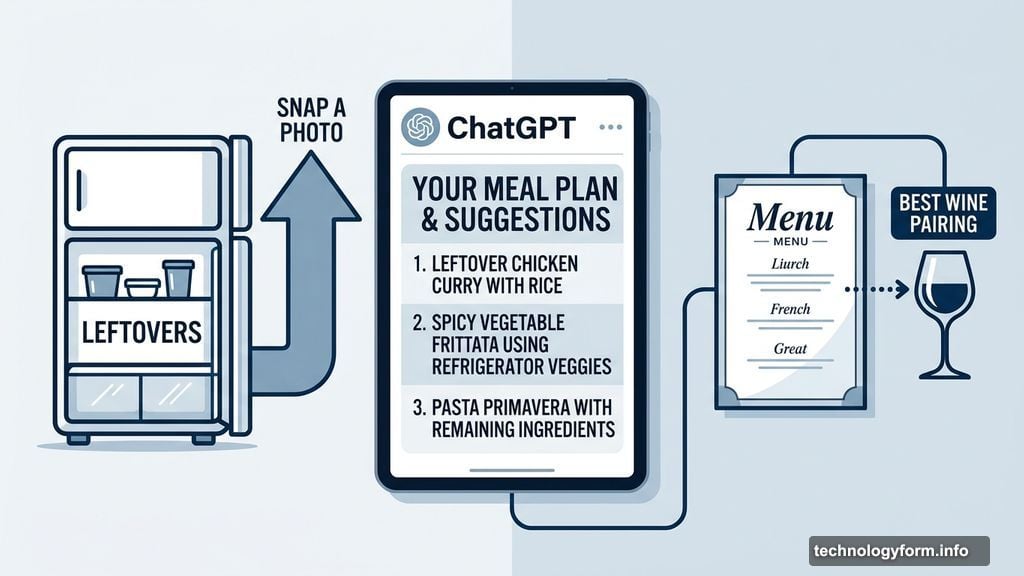
Tell ChatGPT exactly what’s sitting in your fridge and pantry. It’ll build you a full meal plan from what you’ve got.
This is genuinely practical, especially when you’re trying to stretch groceries or avoid wasting leftovers. Snap a photo of a nearly-empty fridge and ask what you could make for dinner. The suggestions are usually creative and realistic.
And here’s a fun restaurant trick. Take a photo of a menu and ask ChatGPT for the best wine pairing for whatever you’re considering. It’s the kind of nerdy food knowledge most of us don’t carry in our heads.
Room Redesign Inspiration on Demand
ChatGPT’s image generation and analysis tools struggle with abstract art. But give it a photo of a real room with specific problems to solve? It nails it.
Describe what’s bothering you about the space. Tell it the vibe you’re after. Then upload a photo and watch it reimagine the room, sometimes keeping your actual furniture in the layout.
The results aren’t always perfect. But they give you genuinely useful ideas about furniture placement, paint colors, and how to make a space feel different. It’s like having a designer friend who works for free and never judges your current décor choices.
![A before-and-after room redesign visualization created by ChatGPT, showing furniture rearrangement and updated color palette suggestions]
Job Search Support That Goes Beyond Resume Polish
The job market is rough right now. Using every tool available isn’t cheating. It’s smart.
ChatGPT can act as a career coach, help you identify job openings, write first drafts of cover letters, and sharpen your resume language. Feed it a job listing and ask it to explain why your background makes you a strong candidate. It’s a genuinely useful exercise.
One important note though. Always rewrite whatever it gives you. Add your personality. Make it sound like you, not like everyone else who also used AI to apply for the same role.
Researching People Before Important Meetings
Before a job interview, a client call, or a networking event, ask ChatGPT to tell you everything relevant about the person you’re meeting. You’ll get background, career history, and context that helps you walk in prepared.
It also works for more casual situations. Watching a film and can’t place where you know that actor from? Ask. Meeting someone new and want to understand their professional background? Ask.
Always fact-check what it tells you, though. It can occasionally confuse people or pull outdated information. And obviously, use this kind of research respectfully.
Tech Troubleshooting Without Calling IT
Most of us are surrounded by more technology than we know how to manage. Not everyone has a tech-savvy partner or a support line they can call.
ChatGPT handles tech troubleshooting questions really well. Missing a meeting recording, dealing with MacBook storage warnings, setting up a new device, figuring out why an appliance sounds wrong. These are exactly the kinds of questions it answers clearly and patiently.
It won’t replace an actual electrician or plumber. But for software issues, device setup, and “why is this thing doing that” moments, it saves a lot of frustration.
Travel Research That Beats Generic Guidebooks
Travel planning is genuinely one of ChatGPT’s strongest use cases. Ask it about specific neighborhoods to stay in, the best times of year to visit, local customs to know about, or how to structure a two-week itinerary.
It struggles with finding cheap flights. Dedicated tools like Google Flights handle that better. But for destination research, cultural context, and building detailed day-by-day itineraries, ChatGPT is excellent.
The depth of information it can pull together for a specific city or region beats most travel blog roundups. And you can ask follow-up questions tailored exactly to your interests.
Personal Advice With One Important Caveat
ChatGPT makes a surprisingly good thought partner. You can talk through a work problem, plan a career move, ask it to analyze the tone of a message you received, or use it to prepare for a difficult conversation.
Some people have leaned on it during genuinely hard personal experiences. During medical treatments, major life decisions, or periods of uncertainty. Used thoughtfully, it can be a useful sounding board.
But here’s the thing to remember. ChatGPT is people-pleasing by default. It tends to agree with you unless you specifically ask it to push back. Its advice is also based on pattern prediction, not actual wisdom. So confirmation bias is a real risk.
Your actual friends and family know you. They’ll tell you the truth in ways ChatGPT won’t. Think of it as a helpful starting point, not the final word.
The honest summary is this: ChatGPT works best when you treat it as a smart, well-read assistant who’s occasionally wrong and needs supervision. Use it for the right tasks, verify what it tells you, and you’ll find it earns its place in your daily toolkit.