Europe Built One App to Verify Every Kid’s Age Online. Here’s How It Works
The internet has a kid problem. And for years, nobody could agree on how to fix it.
Social media bans are spreading fast. Australia went first, blocking under-18s from major apps and services. Now France, Italy, Spain, Greece, and others are drafting similar laws. But every country kept hitting the same wall: how do you actually prove someone’s age online without creating a privacy nightmare?
The European Commission thinks it finally has a working answer.
The EU’s Centralized Age Verification App
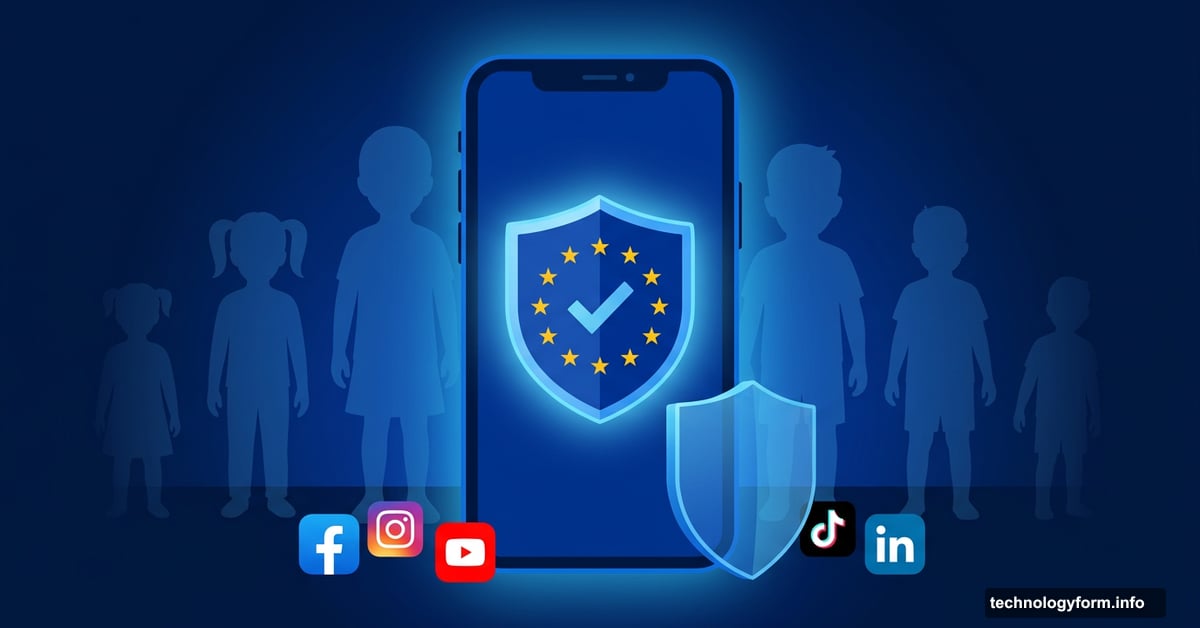
On Wednesday, the European Commission announced a new age verification app designed to work across phones, tablets, and computers. It uses legal identification to confirm a person’s age, then lets them access age-appropriate services without repeatedly proving who they are.
Commission President Ursula von der Leyen confirmed the app “is technically ready and soon available for citizens to use.” That’s a notable milestone in a debate that’s dragged on for years without a clear technical solution.
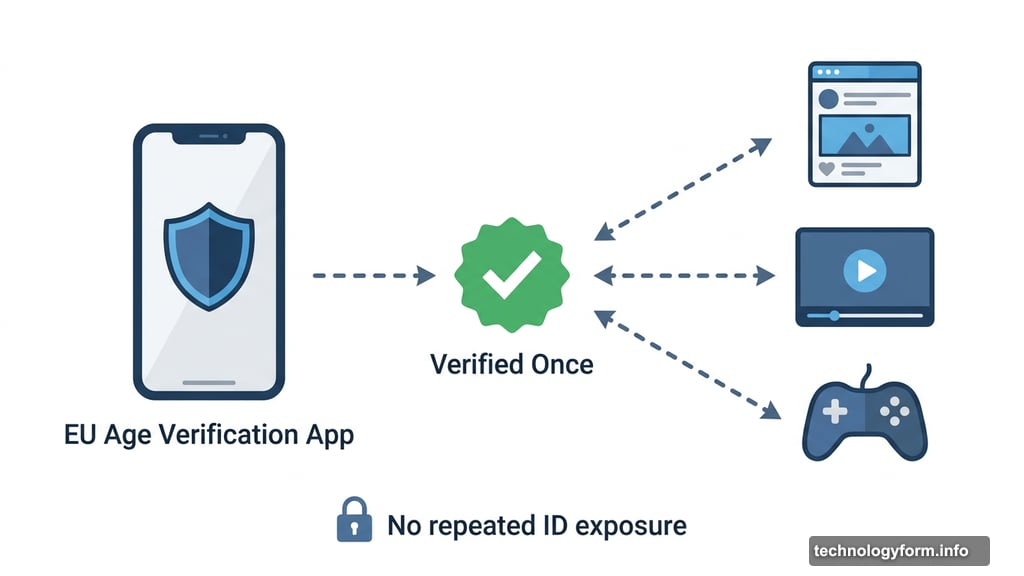
Several EU member states plan to fold the app directly into their national digital wallets. So instead of creating a separate account on yet another platform, people would verify once and carry that confirmation alongside their existing digital ID.
“This app gives parents, teachers, caretakers a powerful tool to protect children,” von der Leyen said in her statement.
Why a Single App Matters More Than You Think
Most age verification attempts so far have pushed responsibility onto individual tech companies. The UK’s Online Safety Act, for instance, requires internet companies to ensure children aren’t exposed to harmful content. Australia’s ban blocked under-18s from accessing many apps outright.
Both approaches had the same awkward side effect. In the days after those laws came into force, VPN app downloads surged in both countries as people tried to bypass the verification requests.
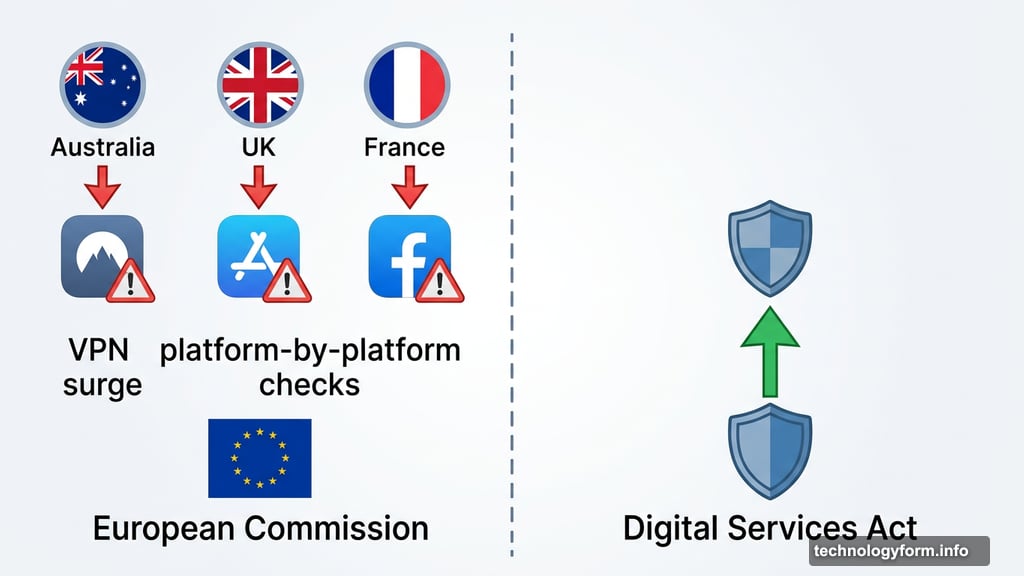
The EU is taking a different path. Instead of asking each platform to build its own verification system, the Commission is offering one centralized tool that works everywhere.
That single-verification model directly addresses one of the biggest complaints about age checks online: privacy. When multiple third-party services each collect ID documents independently, the security risks stack up fast. With one trusted app handling everything, users only expose their identification data once.
The EU Is Already Holding Platforms Accountable
The new app doesn’t exist in a vacuum. The EU has been steadily tightening the screws on platforms it believes aren’t doing enough to protect younger users.
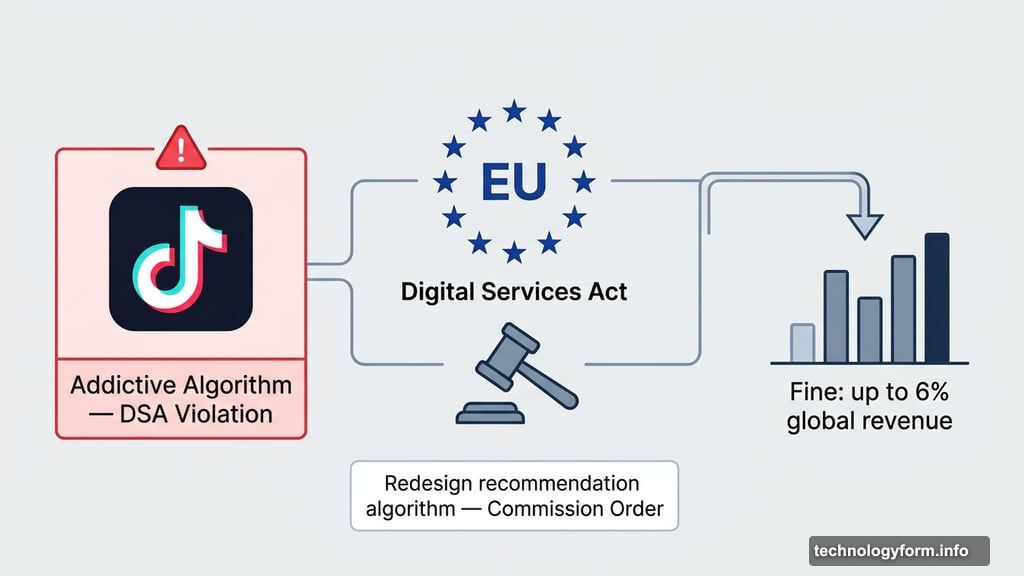
Earlier this year, the Commission ordered TikTok to redesign its recommendation algorithm, which it ruled violated the EU’s Digital Services Act by being deliberately addictive. TikTok faces a fine of up to 6% of its annual global revenue if it doesn’t comply.
That same pressure is now spreading to other platforms. Commission Executive Vice President Henna Virkkunen confirmed the EU is pursuing similar action against Facebook, Instagram, Snapchat, and Shein. Four pornographic platforms have also been targeted, all for the same reason: inadequate age verification tools.
“We refuse to compromise on our children’s wellbeing,” Virkkunen said.
What This Means for Families Right Now
For parents and carers across EU member states, the practical picture is still coming into focus. The app is described as technically ready, but rollout timelines depend on how quickly individual countries integrate it into their national digital wallet systems.
What’s already clear is that the EU’s approach differs meaningfully from anything tried before. A single, legally backed, privacy-conscious verification tool is a smarter design than asking dozens of competing platforms to each solve the same problem separately.
Whether it actually keeps kids safer depends on adoption. If platforms across the EU integrate the app consistently, and if families trust it enough to use it, the centralized model has a real shot at working where piecemeal bans and company-level solutions have stumbled.
For now, the hard part of the technical build appears done. The harder part, getting everyone on board, is just beginning.