Apple Just Killed Your F1 Streaming Options. Here’s What It Costs Now
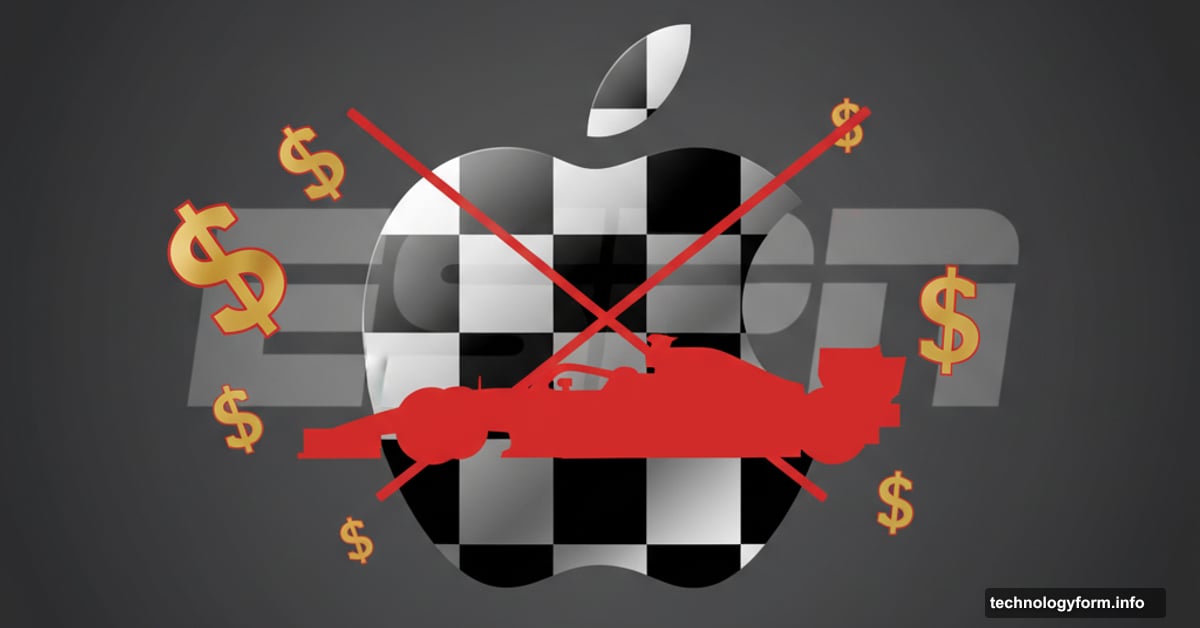
Formula 1 fans in America just lost their cheapest viewing option. Apple locked down exclusive US streaming rights starting in 2026. That means ESPN’s out and F1 TV Premium disappears as a standalone service.
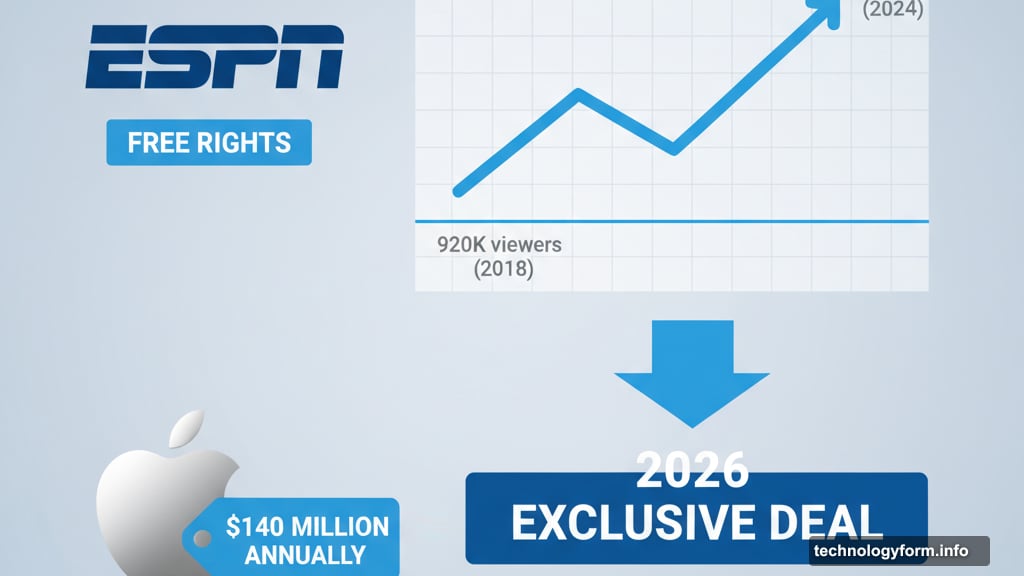
The deal runs five years and reportedly costs Apple $140 million annually. But the real story isn’t how much Apple paid. It’s what fans will pay instead.
Your Old Options Just Vanished
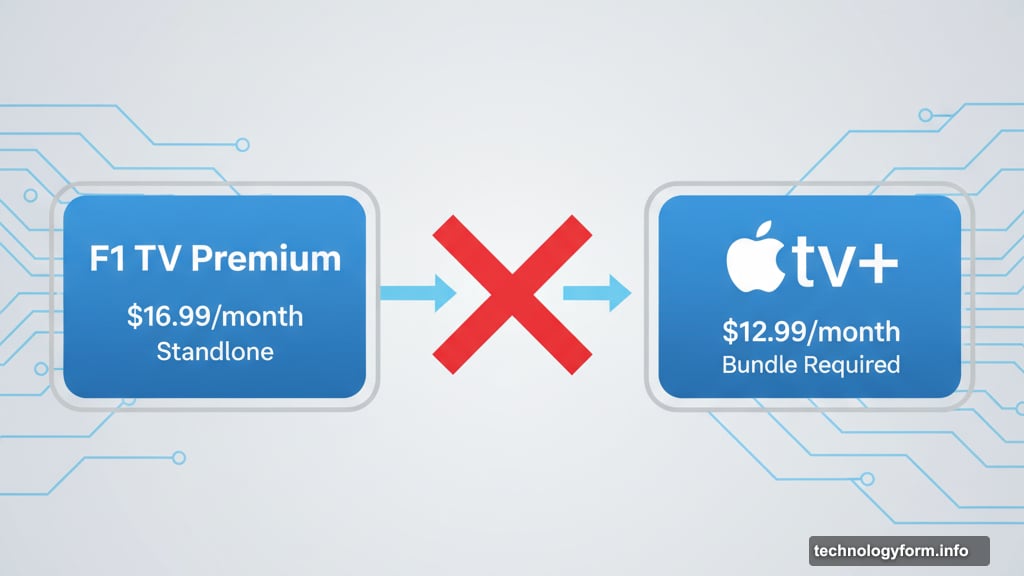
F1 TV Premium used to cost $16.99 monthly as a standalone subscription. You got every practice session, qualifying round, sprint race, and Grand Prix. Plus historical archives and onboard cameras.
Now that option disappears for US viewers. Instead, everything moves to Apple TV, which costs $12.99 per month. Sounds cheaper, right? Not so fast.
The problem hits people who don’t want Apple TV’s other content. Before, you paid specifically for F1. Now you’re forced into a broader entertainment bundle whether you want it or not.
What Apple TV Actually Includes
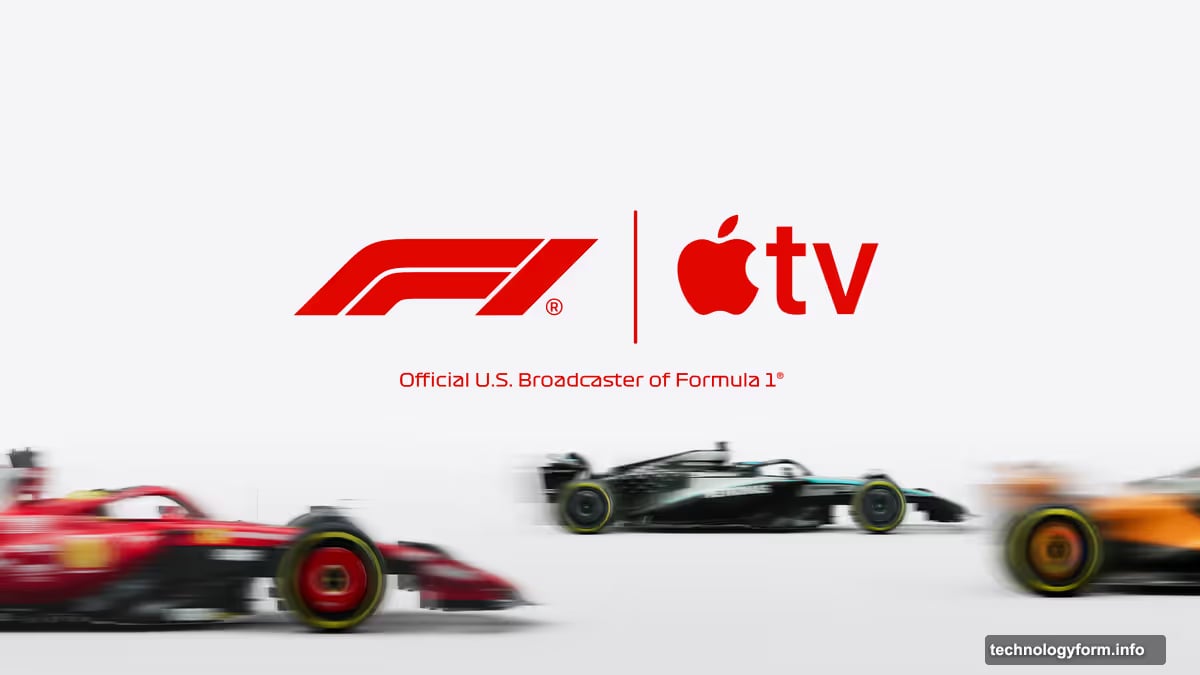
Here’s what the new deal delivers. All practice sessions, qualifying rounds, sprints, and races stream on Apple TV. Select races and practice sessions will be free in the Apple TV app throughout each season.
Apple Sports, their free iPhone app, adds live updates for every session. Real-time leaderboards show during races. Season standings update automatically. Live Activities work on your Lock Screen. Plus dedicated widgets for your Home Screen.
Beyond that, Apple promises to “amplify” F1 across Apple News, Maps, Music, and Fitness Plus. What that actually means remains unclear. We’ll find out more in coming months.
The Math Doesn’t Work for Everyone
Compare the options. F1 TV Premium cost $203.88 annually at $16.99 monthly. Apple TV costs $155.88 yearly at $12.99 monthly. That’s $48 saved if you subscribe year-round.
But many fans only watched during racing season. F1 runs March through December typically. That’s 10 months of needed coverage. Previously, you’d spend $169.90 for those 10 months. With Apple TV at $129.90 for the same period, you save $40.
However, that assumes you want nothing else from Apple TV. If you’re already subscribing for other shows, this becomes pure value add. If you’re not, you’re paying for content you’ll never watch just to catch F1 races.
ESPN Walks Away
ESPN held US broadcast rights previously. They didn’t pay for the privilege though. Liberty Media, F1’s owner, gave ESPN the rights for free in exchange for marketing and promotion.
Why would F1 give away something Apple now pays $140 million yearly to own? Simple. ESPN’s viewership numbers kept climbing. Average race viewership jumped from 920,000 in 2018 to 1.4 million in 2024. That growth proved F1’s value to potential buyers.
Now ESPN moves on while Apple bets big on continued growth. The timing makes sense. F1’s popularity exploded in America recently, driven partly by Netflix’s “Drive to Survive” series and the success of the F1 movie starring Brad Pitt.
The Apple-F1 Connection Runs Deep
Apple and Formula 1 already work closely together. They spent three years collaborating on “F1 The Movie.” That film crushed box office records, becoming the highest-grossing sports movie ever at $629 million globally.
Stefano Domenicali, F1’s president and CEO, specifically mentioned this partnership in the announcement. He’s clearly hoping the movie’s success translates to streaming viewership.
Eddy Cue from Apple emphasized offering subscribers “front-row access to one of the most exciting and fastest-growing sports on the planet.” The marketing speak sounds optimistic. But it also reveals Apple’s strategy: use F1 to attract and retain Apple TV subscribers.
Exclusivity Hurts Competition
Here’s what bugs me about this deal. Exclusivity eliminates choice. Previously, fans could pick between cable ESPN, streaming ESPN Plus, or dedicated F1 TV Premium. Different price points served different needs.
Now one option exists. Take it or skip watching entirely. That’s bad for consumers regardless of whether Apple TV costs less than F1 TV Premium did.
Plus, Apple TV requires Apple devices or specific smart TVs with the app. Not everyone owns compatible hardware. Some viewers will need new equipment just to watch races they could stream before on any device with F1 TV Premium.
What This Means for Other Sports
Pay attention to this deal structure. It signals where sports streaming is heading. Exclusive rights to major leagues will increasingly land with tech giants instead of traditional broadcasters.
Apple already streams Major League Soccer exclusively. Amazon Prime Video owns Thursday Night Football. Peacock grabbed exclusive NFL playoff games. The pattern is clear.
For sports leagues, this means bigger paydays. For fans, it means juggling more subscriptions. You’ll need Apple TV for F1, Peacock for Premier League, Paramount Plus for UEFA Champions League, and ESPN Plus for everything else.
That adds up fast. The days of one service covering your sports needs are gone.
The Real Winner Here
Formula 1 wins biggest from this deal. They’re getting $140 million yearly compared to zero from ESPN. Plus Apple’s marketing machine will promote F1 across News, Maps, Music, and Fitness Plus. That exposure could drive even more growth.
Apple wins if F1 viewership justifies the investment. They’re betting continued growth makes this profitable long term. If F1’s popularity plateaus or declines, Apple overpaid significantly.
Fans? We get cheaper access if we already subscribe to Apple TV. Otherwise, we’re forced into a service we might not want just to watch races. That’s not really winning.
Choose whether the $12.99 monthly cost justifies what you’ll actually watch. If you only care about F1, you’re paying for a lot of unused content. If you already enjoy Apple TV shows, this becomes a nice bonus instead.