
Anthropic Banned the Creator of OpenClaw. Here’s the Messy Story
It started with a screenshot and a frustrated post on X. Within hours, it sparked a minor drama that exposed real tension between Anthropic and the open-source AI tooling community.
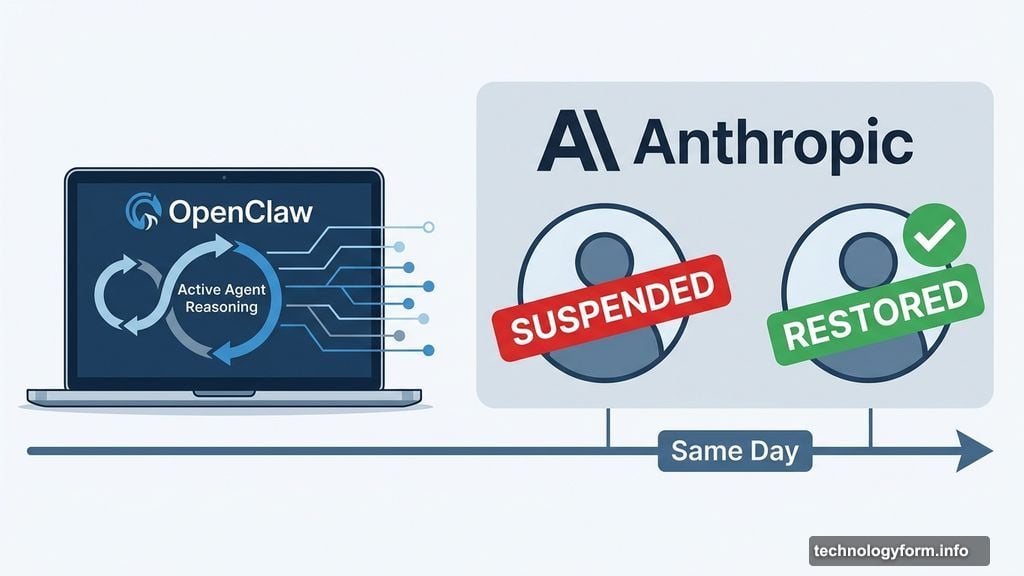
Peter Steinberger, the developer behind OpenClaw, woke up Friday morning to find his Anthropic account suspended. He shared the news publicly, along with a photo of the suspension notice citing “suspicious” activity. His post went viral fast.
The Ban That Lasted Just a Few Hours
Steinberger’s account was restored the same day, likely after the post blew up online. Among the flood of comments was one from an Anthropic engineer, who told Steinberger that Anthropic had never banned anyone specifically for using OpenClaw and offered to help sort things out.
Still, the whole episode raised eyebrows. Steinberger wasn’t using OpenClaw through a standard subscription. He was already following Anthropic’s new policy and accessing Claude through the API. So the suspension felt unexpected, to say the least.
Anthropic hasn’t publicly explained what triggered the “suspicious activity” flag.
A Pricing Change That Sparked Controversy
To understand why this landed with such a thud, you need some recent context.
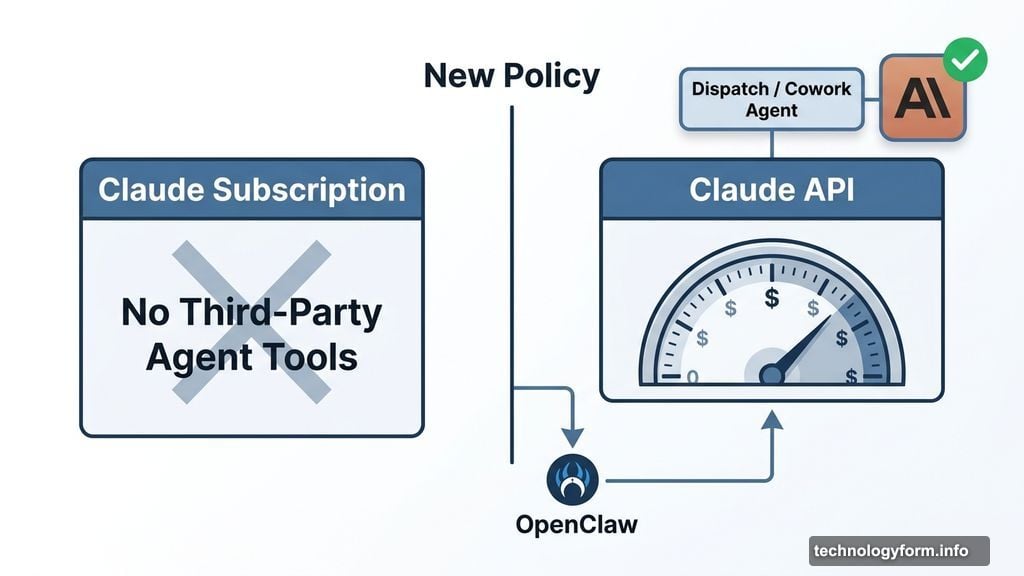
Just last week, Anthropic announced that Claude subscriptions would no longer cover third-party agent tools, including OpenClaw. Users who want to run OpenClaw on Claude now have to pay separately through the API, based on actual usage. Essentially, a new consumption-based fee for anyone using Claude as the brain behind their OpenClaw setup.
Anthropic’s official reasoning made technical sense. Agentic tools like OpenClaw are more compute-heavy than a simple chat prompt. They run continuous reasoning loops, automatically retry tasks, and hook into dozens of other tools. That kind of workload puts real strain on infrastructure built for conversational use.
But Steinberger wasn’t buying it. He pointed out that the timing felt suspicious. Anthropic made the pricing change shortly after adding Dispatch to its own Cowork agent, a feature that lets users remotely control agents and assign them tasks. The implication was clear: copy a popular feature, then make the open-source competition more expensive to run on your platform.
The OpenAI Connection Adds a Layer of Awkwardness
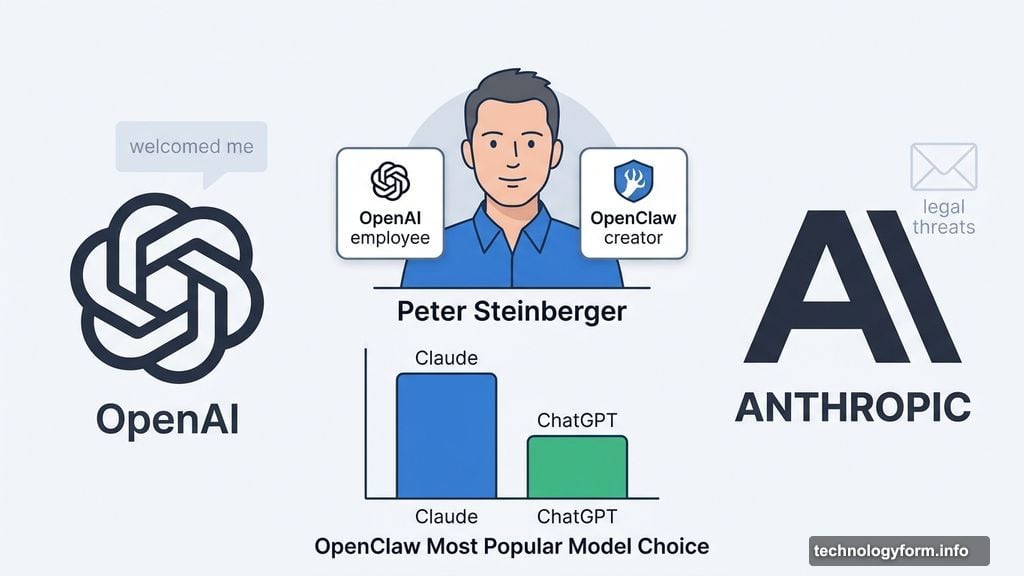
Here’s where things get more interesting. Steinberger now works at OpenAI, which makes his continued investment in OpenClaw’s compatibility with Claude a bit of an unusual situation.
Several people in the comments pointed that out. One user wrote: “You had the choice, but you went to the wrong one.” Steinberger’s reply was blunt: “One welcomed me, one sent legal threats.”
He was quick to explain why he still tests Claude at all. It comes down to his users. Claude remains the most popular model choice among OpenClaw users, outpacing ChatGPT. So if he wants OpenClaw to keep working well for everyone, he has to test it across all major models, including those from his employer’s biggest rival.
He also hinted at where his OpenAI work is heading. When someone noted that Claude’s popularity might shift if Anthropic keeps adding friction, Steinberger replied with just two words: “Working on that.”
What This Whole Situation Actually Reveals
The suspension itself was probably an automated false positive. These things happen. But the broader situation it exposed is worth paying attention to.
AI companies are increasingly building their own agent tools. At the same time, they’re setting pricing and access policies that directly affect the third-party developers building on their APIs. Whether intentional or not, those decisions can squeeze out open-source alternatives that compete with their in-house products.
Steinberger clearly feels that tension personally. His parting comment about legal threats suggested the relationship with Anthropic was already strained before any of this week’s drama.
For OpenClaw users, the practical takeaway is straightforward. Running OpenClaw on Claude now costs more than it did before. If your workflow depends heavily on Claude as the underlying model, it is worth reviewing your usage and running the numbers on what that looks like under API pricing versus a flat subscription.
The tools may still work together. Getting them to stay that way is apparently becoming a full-time job.