Your Cloud Bill Just Doubled Because AI Tools Are Secretly Running
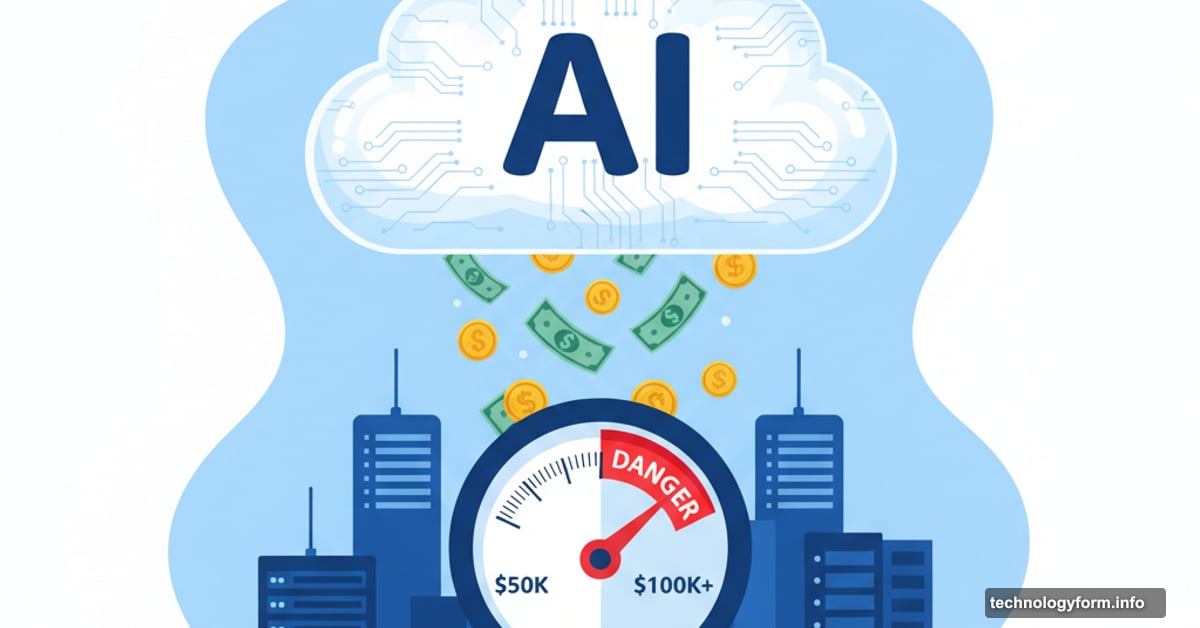
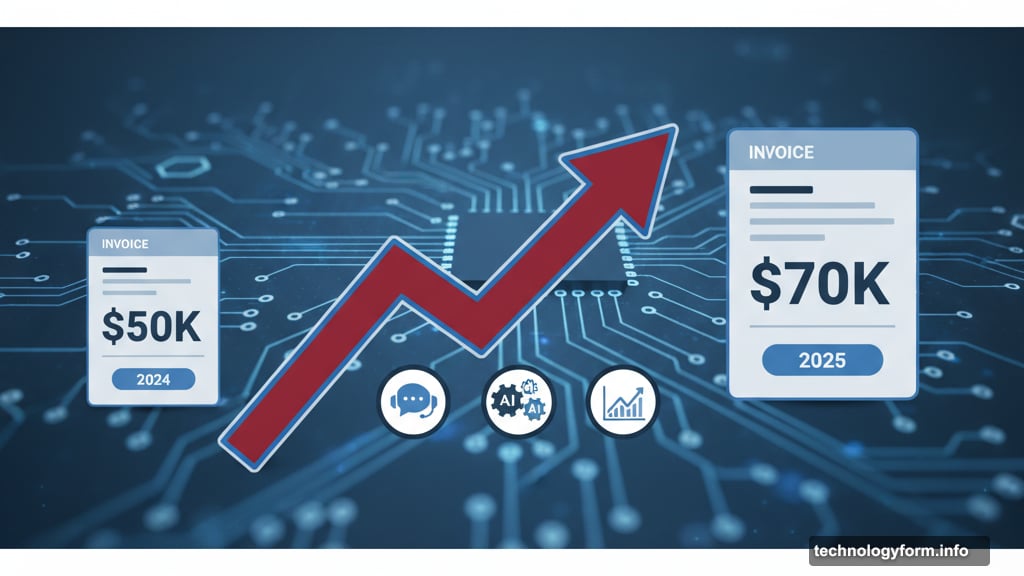
Cloud bills are exploding. Companies that paid $50K monthly last year now face $70K invoices or more.
What happened? AI features silently embedded themselves into cloud platforms. Plus, most companies missed the warning signs until shocking invoices arrived. Now the tech world is asking a bigger question: Are we watching an AI bubble inflate before our eyes?
Half a Trillion Dollars in AI Spending This Year
Global AI spending will hit $375 billion in 2025. That’s not a typo. In fact, analysts expect it to reach $500 billion by 2026.
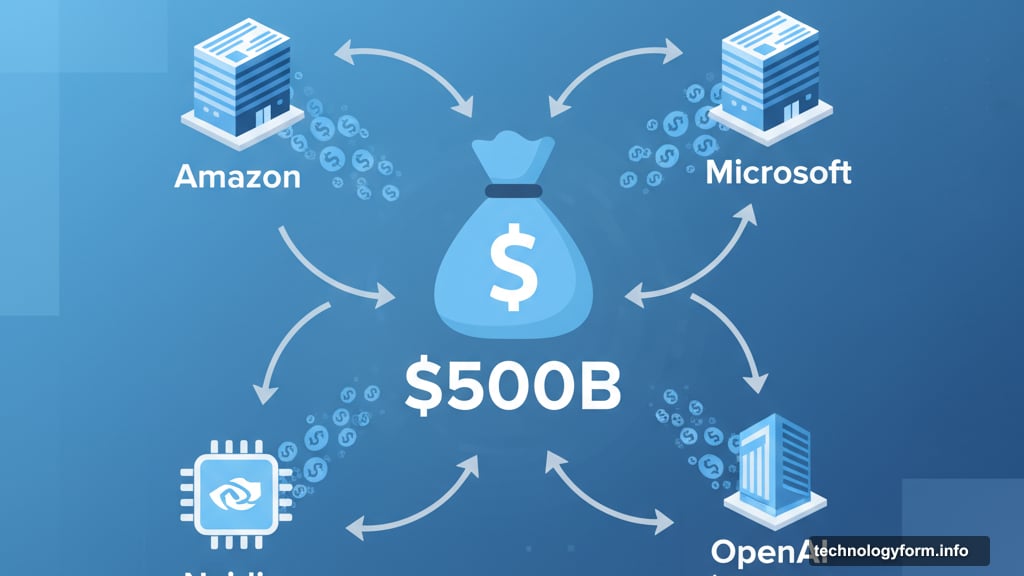
The money is flowing everywhere. Amazon, Meta, and Microsoft are building massive data centers. OpenAI just announced $1 trillion in AI deals, including a $500 billion data center project. Meanwhile, Nvidia keeps closing blockbuster investments left and right.
Over 1,300 AI startups now have valuations exceeding $100 million. Nearly 500 have reached “unicorn” status at $1 billion or more. The enthusiasm is undeniable.
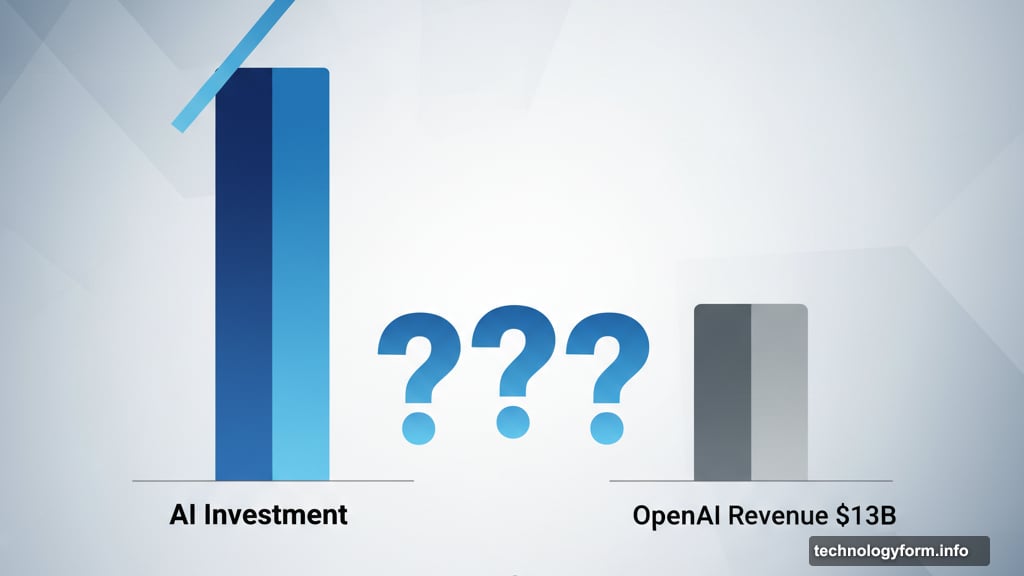
But here’s the catch. OpenAI expects to generate only $13 billion in revenue despite those trillion-dollar commitments. That gap between investment and actual earnings is making people nervous.
The Bubble Question Everyone’s Debating
Economic bubbles happen when asset prices skyrocket based on speculation, then crash when reality hits. Sound familiar?
The current AI boom is drawing uncomfortable comparisons to the dotcom bubble of the late 1990s. Remember when any company with “.com” in its name could raise millions? Or the 2008 financial crisis when real estate prices defied gravity until they didn’t?
Some experts see the same patterns emerging now. Others insist this time is different.
Former Biden economic advisor Jared Bernstein called it bluntly. “We think there are enough analogies there to make the call,” he told CNBC last week. He pointed out that AI investment now represents a third more of the economy than internet investments during the dotcom peak.
The divergence between credible future earnings and current investment levels “certainly looks bubbly,” Bernstein said.
Why Some Think the Money Is Well Spent
Not everyone sees disaster coming. BlackRock CEO Larry Fink insists this isn’t a bubble at all.
“I believe this is capital that in most cases is going to be well spent,” Fink said. He argues that investing in AI means more than just buying chips. It requires power grids, cooling systems, and infrastructure buildouts that will keep America competitive globally.
Anneka Treon, ING’s global head of wealth management, agrees. “AI bubble or not, it boils down to real dollars being spent on real capex with a very long runway of funding ahead,” she explained.
Companies are spending about half their operating cash flows on AI initiatives. But Treon believes there’s enough capital to fund it all. Plus, the market backdrop looks strong with easier monetary policy, robust earnings growth, and continued investment booms.
The real test? Whether these massive expenditures actually yield expected returns. That won’t be clear for at least another year or two.
The Circular Money Problem
Here’s where things get concerning. Pat Gelsinger, Intel’s former CEO, didn’t mince words. “Are we in an AI bubble? Of course!” he said.
But he also predicted it would be “several years” before it pops. The displacement of internet and service provider industries is just beginning. Radical AI efficiency improvements keep happening.
Ben Inker from GMO sees more troubling signs. “We’re certainly seeing lots of evidence of bubble-like behavior,” he warned. Circular revenue deals and aggressive pricing strategies are everywhere.
The problem? Firms are shifting from funding investments with free cash flow to relying on debt. OpenAI lost about $5 billion last year on $3.7 billion in revenue. Yet Nvidia invested $100 billion in the company for building data centers with Nvidia chips.
“This entire ecosystem has kind of run out of the capital from the cash flow of the hyperscalers,” Inker explained. Now it needs funding through debt and strange deals between chip makers and money-losing firms with huge capital needs.
What Separates This from Past Bubbles
Howard Marks, co-founder of Oaktree Capital Management, offers a more nuanced view. “The main ingredient in bubbles is psychological excess,” he said. There’s usually a belief that no price is too high.
Marks doesn’t detect that level of mania yet. Valuations are high, but not crazy. When prices are elevated but not insane, predictions become much harder to make correctly.
However, he warns about common bubble psychology patterns. Investors start backing any company with even the slightest chance of massive returns. Sound decision-making gives way to speculation and fear of missing out.
Marks sees hints of this behavior in today’s AI boom. But he believes the critical mass of mania hasn’t arrived yet.
The Infrastructure Spending Is Real
One key difference from past bubbles? The money is building tangible infrastructure.
Larry Fink emphasized that AI investments extend far beyond software. Companies are building power grids, cooling systems, and data centers. These physical assets have lasting value regardless of whether specific AI companies succeed or fail.
“That is capitalism,” Fink said. “We’re going to have some big winners and we’re going to have some big losers. But if you have a diversified portfolio, you’re going to be fine.”
Major hyperscalers like Meta, Microsoft, and Alphabet are in strong positions. They have the cash flow to fund investments without taking on crushing debt. Their profits from advertisements and cloud services provide steady revenue streams independent of AI returns.
The Dotcom Comparison Cuts Both Ways
The internet boom of the late 1990s correctly predicted that technology would transform the world. It just got the timeline and winners wrong. Hundreds of companies went bankrupt. But the internet did revolutionize everything eventually.
Could AI follow the same pattern? Probably yes. The technology is real and transformative. But that doesn’t mean every current investment will pay off. Or that valuations make sense today.
History suggests we’ll see massive failures alongside spectacular successes. The question is timing and scale.
Former CEA chairman Jared Bernstein pointed out a troubling fact. When you examine the Magnificent Seven’s actual AI investments, they represent a small share of total profits. Most earnings still come from traditional business lines like advertising.
That gap between AI hype and actual AI-generated profits strengthens the bubble hypothesis.
What This Means for Your Business
Whether or not we’re in a bubble, one thing is certain. Your cloud costs will keep rising unless you actively manage them.
AI features are embedding themselves into cloud platforms automatically. You might not realize they’re running until the bill arrives. Monitor your spending weekly. Question every new service before committing. Test alternatives ruthlessly.
The winners will be companies that invest strategically, not blindly. Focus on AI applications that solve real problems and generate measurable returns. Avoid the temptation to adopt AI just because competitors are doing it.
Remember that capitalism rewards smart risk-taking, not reckless spending. Diversification matters. Not every AI bet will pay off, even if the overall technology succeeds.
The Verdict Is Still Out
Are we in an AI bubble? The honest answer is that nobody knows for sure yet.
The enthusiasm is real. The spending is massive. The comparisons to past bubbles are uncomfortable. But the technology is also genuinely transformative in ways that previous bubbles weren’t.
What we do know? Trillions of dollars are flowing into AI infrastructure right now. Some investments will generate spectacular returns. Others will disappear completely.
The bubble will either deflate gradually as reality tempers expectations, or pop suddenly if a trigger event causes panic. Either way, the AI revolution is happening. The only question is how painful the adjustment period will be when hype meets reality.
Choose your investments carefully. Stay diversified. Focus on companies with real cash flow and sustainable business models. Don’t let fear of missing out drive decisions. The market has a way of punishing excess eventually.