Microsoft’s New AI Assistant Has a Face. Meet Mico
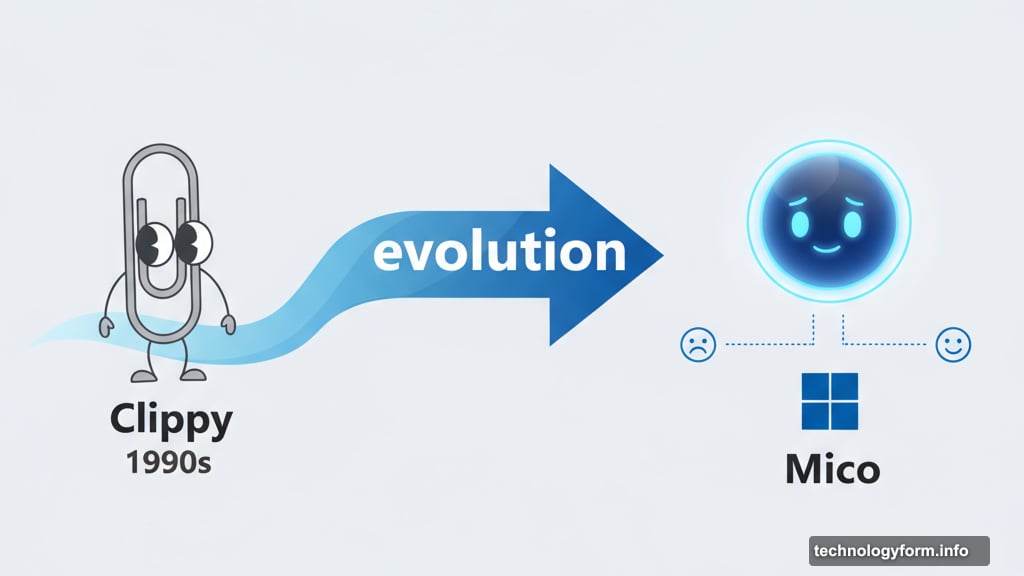
Remember Clippy? That overeager paperclip that pestered you in Word documents back in the ’90s? Microsoft just launched its spiritual successor, and this time the tech actually works.
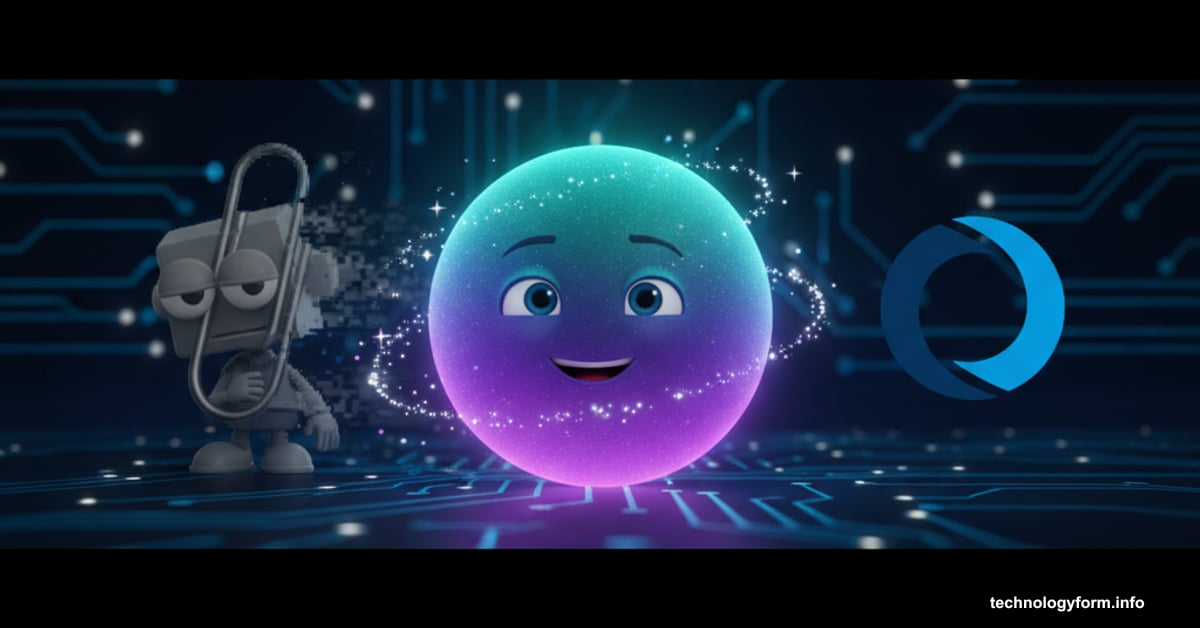
Mico is a bouncing orb that lives inside Copilot’s voice mode. It watches you talk, reacts to your emotions in real time, and remembers things about your life. Plus, Microsoft hopes this cute character will finally convince people that talking to computers isn’t weird.
Spoiler alert: That’s still a tough sell.
What Makes Mico Different From Clippy
Clippy interrupted your work to ask if you needed help writing a letter. Mico actually listens and responds intelligently using modern AI.
The character appears when you activate Copilot’s voice mode on Windows 11. Talk about something sad, and Mico’s facial expressions change instantly. Share exciting news, and it brightens up. The animations happen fast enough that conversations feel natural instead of robotic.
“All the technology fades into the background, and you just start talking to this cute orb and build this connection with it,” explains Jacob Andreou, corporate VP of product and growth at Microsoft AI.
But here’s the catch. Mico only works in the US, UK, and Canada at launch. So most of the world will wait to meet Microsoft’s new virtual friend.
Memory Features Give Mico Context
Mico taps into Copilot’s new memory system to remember facts about you. That means it can reference your previous conversations, recall your work projects, and understand your preferences over time.
This persistent memory separates Mico from basic voice assistants. Instead of treating every interaction as brand new, it builds on past conversations. In theory, that should make help feel more personalized and less repetitive.
However, Microsoft hasn’t shared specifics about data retention or privacy controls. How long does Mico remember things? Can you delete specific memories? Those questions matter when you’re feeding personal information to an AI assistant.
Learn Live Mode Targets Students
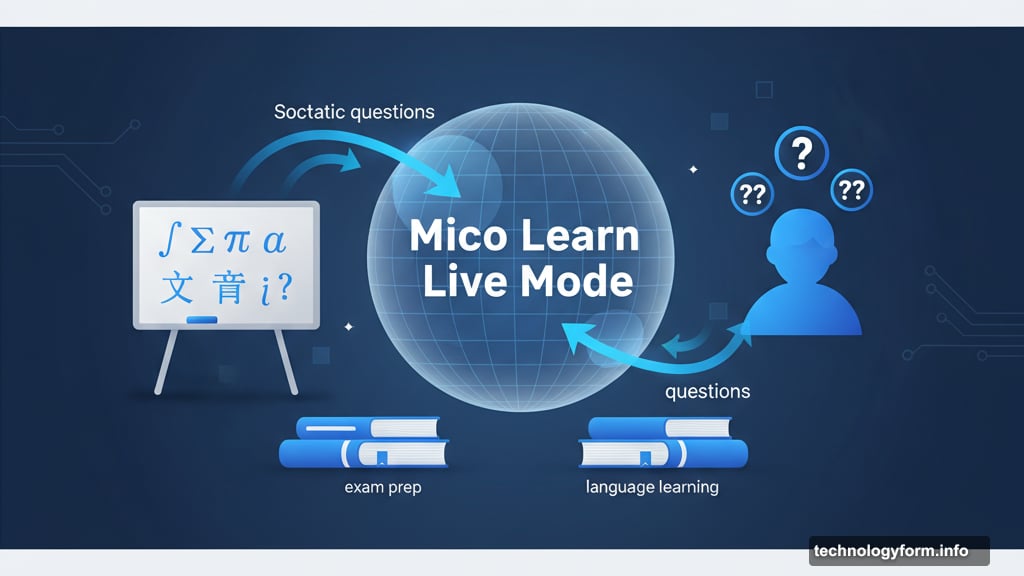
Microsoft added a feature called Learn Live that transforms Mico into a Socratic tutor. Instead of simply giving answers, it guides you through concepts with questions.

The mode includes interactive whiteboards and visual cues. It’s designed for students preparing for exams or anyone practicing a new language. Think of it as a patient teacher that won’t judge your mistakes or get frustrated when you ask the same question twice.
But let’s be honest. Most students will probably still just ask for direct answers when they’re cramming at 2 AM before a test. Old habits die hard, even with fancy AI tutors.
Microsoft Wants You Talking to Computers
This launch connects to Microsoft’s bigger push to normalize voice interaction with PCs. Recent Windows 11 ads market new computers as “the computer you can talk to.”
Sound familiar? Microsoft tried this exact strategy with Cortana on Windows 10 a decade ago. That effort flopped so badly that the company killed the Cortana app on Windows 11 in 2023.
So what makes Microsoft think Mico will succeed where Cortana failed? Better AI technology helps. But the company still faces the same fundamental challenge: most people prefer keyboards and touchscreens to speaking out loud.
Talking to your computer feels awkward in open offices. It seems silly when you’re sitting in a coffee shop. Plus, typing often proves faster and more precise for complex tasks.
Clippy Lives On in Easter Eggs
Microsoft built Easter eggs into Mico that reference its predecessor. Poke the orb very quickly, and something special happens. The company won’t spoil what exactly, but the nod to Clippy is intentional.
“We all live in Clippy’s shadow in some sense,” admits Andreou. That’s probably true for anyone building virtual assistants at Microsoft.
Clippy became a cultural icon despite being genuinely annoying. People still make memes about that paperclip 24 years after it disappeared from Office. So Microsoft faces an impossible balance: reference Clippy enough for nostalgia points without recreating its most frustrating qualities.
Building AI Character Identity
Mico represents Microsoft’s attempt to give Copilot a permanent identity. Mustafa Suleyman, Microsoft AI CEO, hinted at this strategy earlier in 2025.
“Copilot will certainly have a kind of permanent identity, a presence, and it will have a room that it lives in, and it will age,” Suleyman said in July.
That vision goes way beyond a simple voice assistant. Microsoft wants Copilot to feel like a persistent companion that grows and changes alongside you. Mico is the first visible step toward that goal.
But do people actually want AI companions? Or do they just want tools that solve specific problems efficiently? The answer probably varies by person, which makes Microsoft’s bet risky.
The Reality Check Nobody Mentions
Microsoft keeps launching voice assistants because they want to own how people interact with AI. Whoever wins the battle for natural language interfaces gains enormous power in the tech industry.
That strategic imperative drives decisions like Mico. It’s not really about whether people currently want to talk to their PCs. It’s about positioning Microsoft for a future where voice becomes the dominant interface.
But here’s my take. Most professionals will keep typing. Voice works great for simple queries and hands-free situations. Yet for complex work requiring precision, keyboards remain superior.
So Mico might find its audience among students, language learners, and casual users. But expecting widespread adoption in offices seems optimistic. Microsoft will face the same uphill battle they fought with Cortana, just with better technology this time.
The character is cute. The AI is impressive. But changing human behavior? That’s the hardest challenge in tech, and even the best virtual assistants struggle with it.