PayPal’s Coming to ChatGPT. Your Wallet Might Not Be Ready
Shopping through chatbots sounds convenient. But security experts warn the risks could outweigh the benefits.
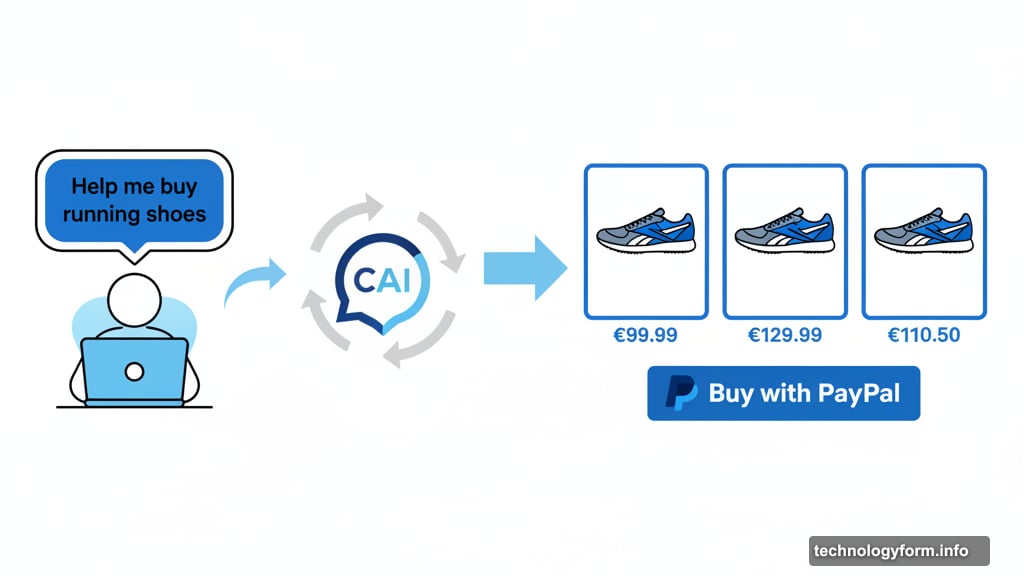
PayPal just announced a 2026 deal with OpenAI. Soon, ChatGPT’s 800 million weekly users can buy products directly through the chatbot. No website visits. No app switching. Just ask ChatGPT for running shoes, and boom—checkout happens right there.
Sounds magical, right? Well, let’s talk about what could go wrong.
How ChatGPT Shopping Actually Works
The demo video shows a simple interaction. Someone types: “Help me buy running shoes for Maya, size 7.5. She likes bold colors and city runs. Budget $120.”
ChatGPT suggests Reebok shoes. Then displays a “Buy with PayPal” button. Click it, and you’re done.
PayPal brings tens of millions of merchants to this setup. OpenAI already partnered with Walmart, Shopify, and Etsy. So the product catalog will be massive. Plus, ChatGPT remembers your preferences from previous conversations. That means increasingly personalized recommendations over time.
For merchants, this opens a huge opportunity. Fewer abandoned carts. Better customer engagement. Instant transactions without building complex e-commerce sites.
But here’s where things get complicated.
The Security Nightmare Nobody’s Discussing
Traditional online shopping happens on secure websites. You visit Amazon or Nike’s site directly. You know you’re on the real platform. Your browser shows security certificates. Banks monitor transactions for suspicious patterns.
ChatGPT shopping breaks that model entirely.
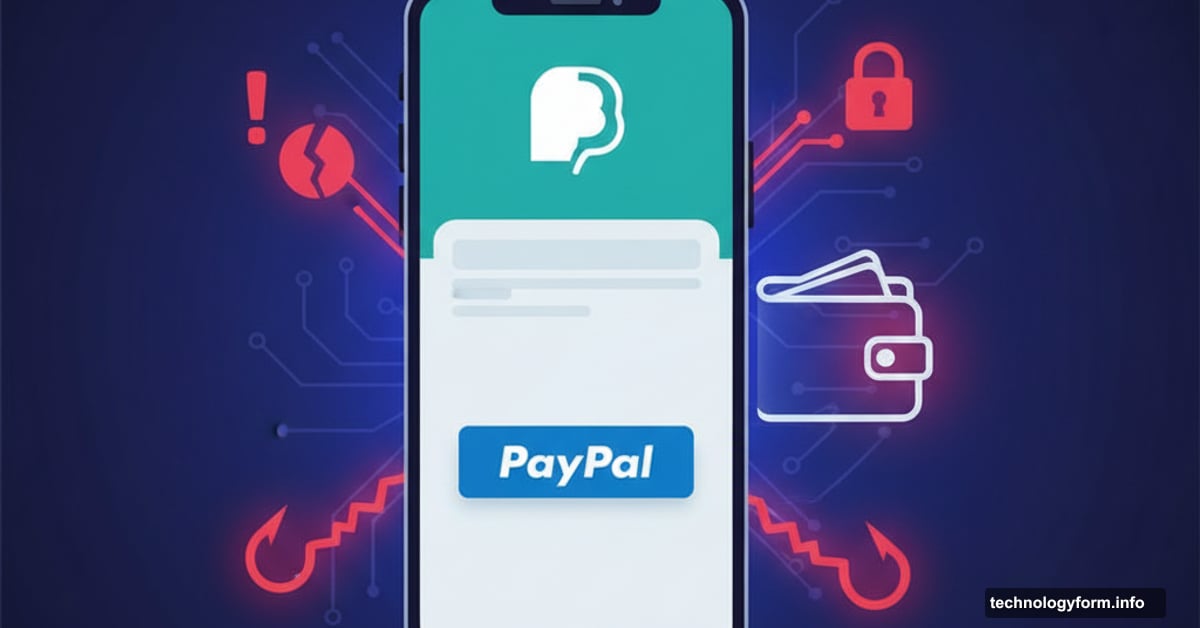
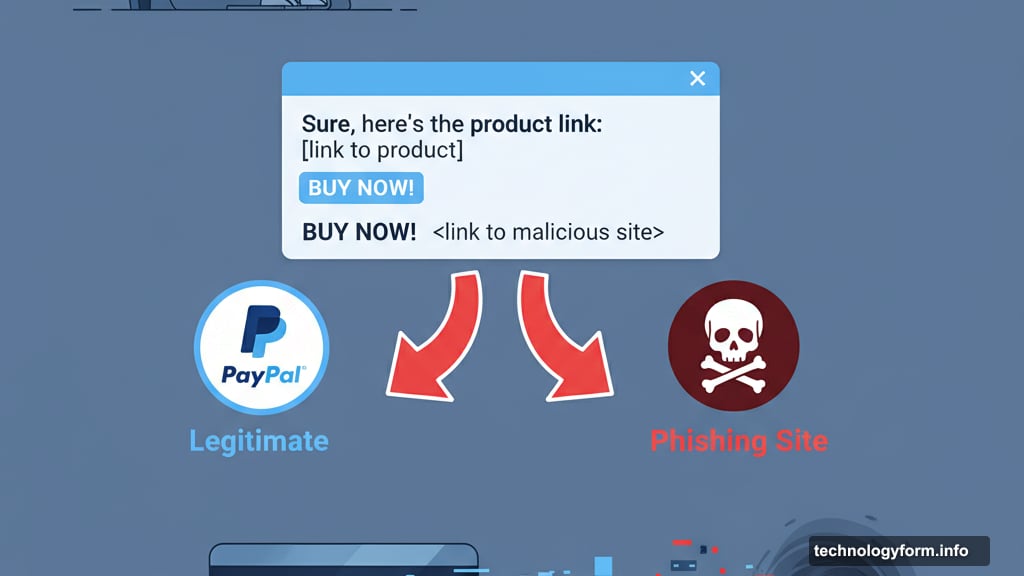
“Chatbots add another layer of risk: prompt-injection attacks that trick them into revealing data or pushing fake product links to phishing sites,” warns John Paul Cunningham, chief information security officer at Silverfort.
Translation? Hackers could manipulate ChatGPT’s responses. Instead of legitimate product links, you might get phishing sites that steal your payment information. And you wouldn’t necessarily know the difference.
Moreover, many users grant ChatGPT broad permissions. Access to emails. Calendar data. Purchase history. If that data isn’t properly secured, it’s all vulnerable during a breach.
PayPal Has Experience. But Can They Control ChatGPT?
The good news? PayPal’s been fighting fraud for decades. They know how to protect transactions. They’ve invested billions in security infrastructure.
“Established platforms like PayPal significantly mitigate fraud risks today,” Cunningham acknowledges. “PayPal certainly has the maturity and funding to apply toward securing such a platform.”
However, PayPal can only secure its own systems. They can’t fix vulnerabilities in OpenAI’s platform. If ChatGPT has fundamental security flaws, PayPal’s fraud detection won’t matter.
Think about it this way. PayPal protects the payment tunnel. But if the road leading to that tunnel is full of traps, people get robbed before reaching safety.
And then there’s the AI agent problem.
AI Agents Make Everything Worse
OpenAI’s building autonomous AI agents. These agents can make purchases without constant human oversight. Imagine ChatGPT automatically reordering your groceries or buying birthday gifts based on calendar reminders.
Convenient? Absolutely. Terrifying? Also yes.
“We may need to create super-policing AI agents to monitor, control, and secure the e-commerce experience in real time,” Cunningham suggests. “Paired with better identity verification tools to ensure transactions stay tied to verified individuals.”
So we’d need AI watching AI to prevent AI from making bad decisions with your money. That’s a lot of trust in systems we barely understand.
Plus, who takes responsibility when an AI agent makes an unauthorized purchase? You? OpenAI? PayPal? The merchant? Nobody’s figured this out yet.
Data Breaches Hit Different When AI’s Involved
Traditional e-commerce breaches expose purchase history and payment details. Bad enough. But AI platforms know way more about you.
ChatGPT might know your budget constraints. Your shopping preferences. Your location. Your schedule. Your family members’ names and sizes. It remembers conversations spanning months or years.
Now imagine all that data leaking at once. Hackers wouldn’t just get credit card numbers. They’d get a complete profile of your life, preferences, and habits.
That’s not speculation. It’s the logical outcome of combining e-commerce with conversational AI that remembers everything.
The Fundamental Flaw Nobody Can Fix
Here’s the really scary part. Current AI systems have inherent vulnerabilities that may be impossible to patch.
“There may be fundamental flaws in the underpinnings of AI and how it works that may prove difficult to remedy,” Cunningham warns.
Large language models can be manipulated through prompt injection. They sometimes hallucinate fake information. They make unpredictable decisions based on training data nobody fully understands.
You can’t just update your firewall to fix these problems. They’re baked into how AI works at a fundamental level.
So we’re rushing toward AI-powered shopping before solving basic security questions. That’s not a great recipe for protecting consumers.
Should You Actually Use This?
Look, I get the appeal. Asking ChatGPT to find and buy products sounds incredibly convenient. Especially for routine purchases or gift shopping.
But convenience always comes with tradeoffs. In this case, you’re trading security and privacy for ease of use.
My advice? Wait and watch. Let early adopters discover the problems first. See how PayPal and OpenAI handle inevitable security incidents. Read independent security audits if they become available.
And if you do try ChatGPT shopping, start small. Buy low-value items first. Never store sensitive financial information in the chat. Use credit cards instead of debit cards for better fraud protection.
The future of shopping might run through chatbots. But that doesn’t mean the future’s ready yet.