Microsoft Azure Crashes Hard. Millions of Users Cut Off
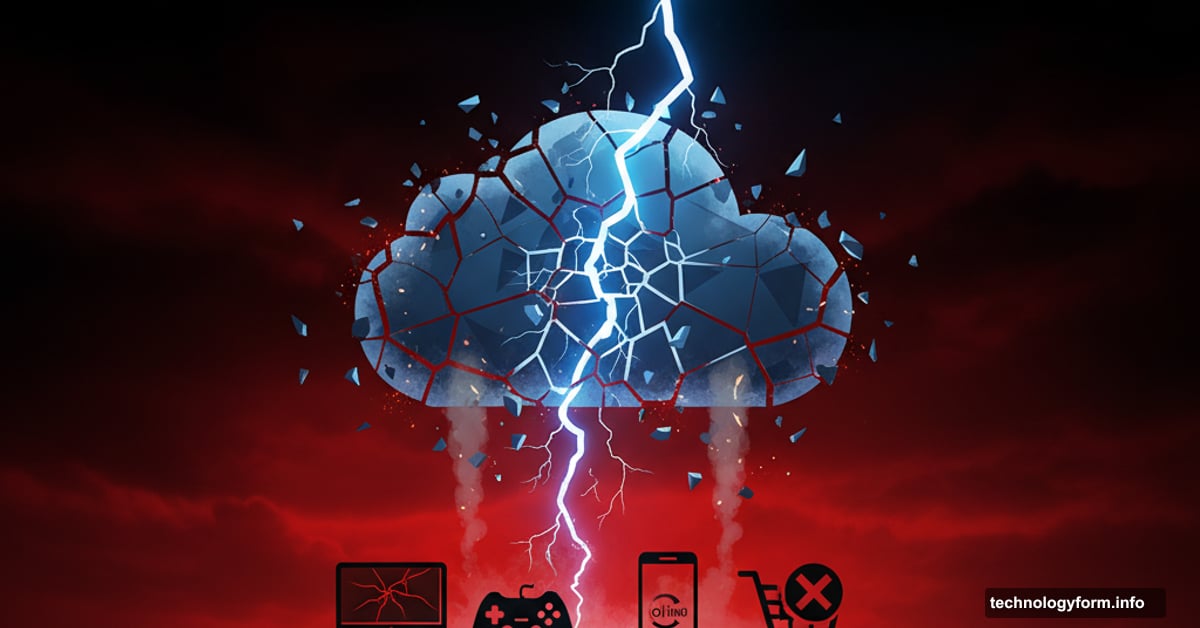
Azure went dark Wednesday morning. No warning. No gradual slowdown. Just gone.
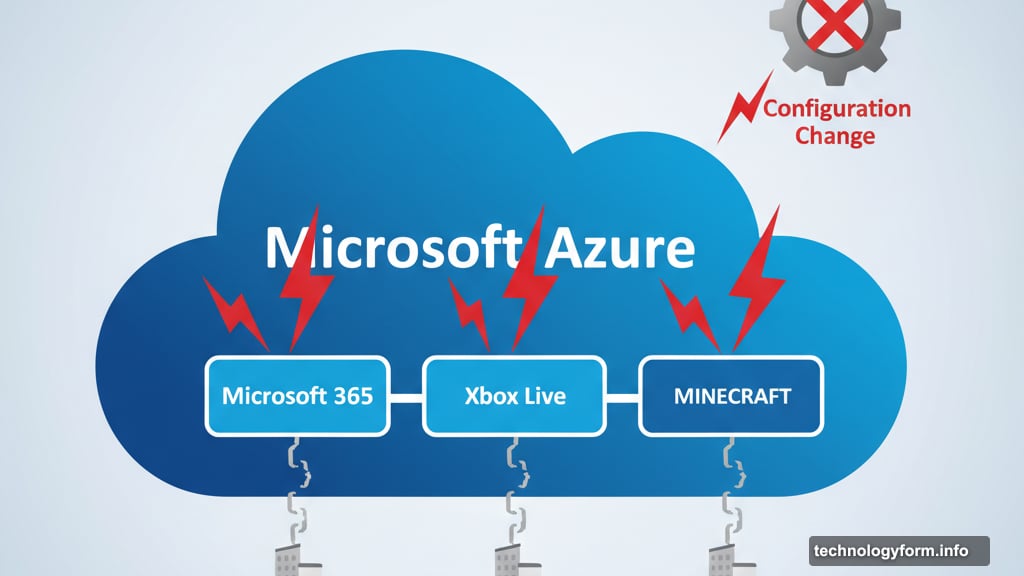
The outage hit around noon Eastern Time, taking down a stunning array of services. Microsoft 365 stopped working. Xbox gamers got kicked offline. Even Minecraft servers vanished. Plus, the chaos spread beyond Microsoft’s own products. Costco’s website went down. Starbucks customers couldn’t place orders online.
Microsoft admitted the problem came from inside. According to their status page, “We suspect that an inadvertent configuration change triggered this issue.” Translation? Someone pushed a bad update that broke everything.
The Timing Couldn’t Be Worse
This isn’t just another cloud hiccup. The outage landed hours before Microsoft’s scheduled earnings announcement. So investors get to watch the company explain quarterly results while their flagship cloud platform burns.
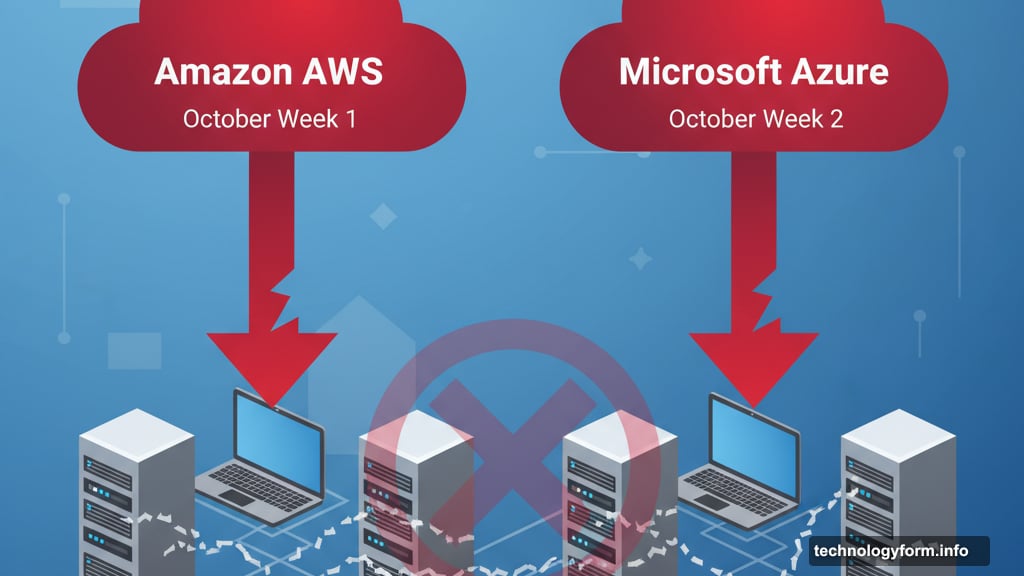
Moreover, this follows Amazon AWS crashing just last week. That outage knocked out websites, banking systems, and government services. Now Microsoft joins the “major cloud failure” club for October 2025.
Two massive cloud providers failing within seven days? That’s not coincidence. That’s a pattern revealing how fragile our cloud-dependent infrastructure really is.
What Actually Broke
Azure powers more than you probably realize. Microsoft 365 includes Outlook, Teams, Word, Excel, and other productivity tools millions use daily. So businesses couldn’t access email, join video calls, or edit documents. Work just stopped.
Gaming took a direct hit too. Xbox Live handles multiplayer gaming, game downloads, and social features. Players couldn’t connect to online matches or access purchased games. Minecraft, owned by Microsoft, relies on Azure for multiplayer servers. Those went offline completely.
But here’s what makes this scary. Third-party businesses depend on Azure for their own operations. Costco and Starbucks represent just two visible examples. Countless other companies run websites, apps, and internal systems on Azure. All of them went dark simultaneously.
Nobody knows the full scope yet. Microsoft hasn’t released impact numbers. However, Azure ranks as one of the world’s three largest cloud platforms alongside AWS and Google Cloud. So we’re talking about massive scale.
The Configuration Change That Killed Everything
Microsoft blamed “an inadvertent configuration change.” That phrase hides a brutal reality about modern cloud infrastructure.
Cloud platforms run on incredibly complex systems. Thousands of interconnected services must work together perfectly. Change one configuration setting incorrectly, and the whole house of cards collapses.
Large cloud providers typically have safeguards. They test changes in isolated environments first. They roll out updates gradually to catch problems early. They maintain backup systems that activate when primary systems fail.
Yet all those safeguards failed Wednesday. One bad configuration pushed through and took down the entire platform. That suggests either the testing process broke down, or the change affected something so fundamental that backup systems couldn’t compensate.
Either explanation is terrifying. If Microsoft’s safeguards failed this badly, what stops it from happening again?
What Happens When Cloud Dies
This outage exposes our dangerous dependency on centralized cloud services. Businesses that moved everything to the cloud discovered they couldn’t function when Azure went down.
No email means no customer communication. No collaboration tools means teams can’t coordinate. No access to cloud-based databases means core business operations freeze. Companies just sat waiting for Microsoft to fix whatever broke.
Some businesses maintain local backups or hybrid systems. They kept operating, though probably at reduced capacity. But many modern companies went all-in on cloud-only architectures. Those companies suffered complete outages matching Azure’s downtime.
The gaming impact reveals another dimension. Players couldn’t access games they purchased and downloaded. Cloud authentication systems verify game ownership, even for single-player titles. When those systems fail, your games become unplayable bricks on your hard drive.
You don’t actually own your digital content. You rent access that disappears when cloud services crash.
Microsoft Stays Silent on Recovery
As of publication, Microsoft hasn’t announced when services will return. Their status page acknowledges the problem and promises updates. But no timeline exists.
That silence speaks volumes. If Microsoft knew the fix would take hours, they’d say so. The lack of estimates suggests they’re still diagnosing the root cause or the repair involves complex work.
Meanwhile, millions of users just wait. Businesses lose revenue every minute. Remote workers can’t do their jobs. Students can’t access school systems. Gamers sit frustrated, unable to play.
The modern internet concentrates too much power in too few companies. When one of those giants stumbles, everyone suffers. And we have zero alternatives.
This Changes Nothing
Here’s the depressing truth. This outage won’t change corporate behavior.
Microsoft will restore service. They’ll publish a post-mortem explaining what broke and what they’ll do differently. Companies will read it, nod, and keep using Azure.
Why? Because alternatives carry the same risks. AWS crashed last week. Google Cloud has experienced major outages. Every cloud provider eventually fails. So businesses accept outage risk as the cost of cloud convenience.
Plus, most companies lack the expertise or resources to run their own infrastructure. Cloud platforms offer capabilities that would cost millions to replicate internally. So they accept dependency despite the risks.
The real lesson? We’ve built critical systems on foundations that aren’t as reliable as we pretend. Every major outage proves this. Yet we keep adding more dependencies, making future failures even more catastrophic.
Microsoft will fix Azure. Normal service will resume. And we’ll all pretend this couldn’t happen again next week.