Anthropic Built an AI So Dangerous at Hacking, It Won’t Let You Touch It
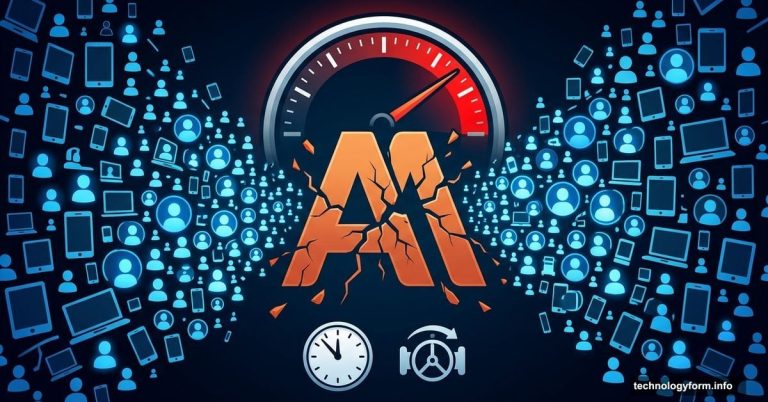
Anthropic just created an AI model so good at finding security flaws that releasing it to the public would be genuinely reckless. So the company decided not to.
Instead, it’s handing this powerful tool to some of the biggest names in tech — and asking them to fix what it finds before the wrong people figure out how to do the same thing.
Claude Mythos Preview Is Already Finding Thousands of Flaws
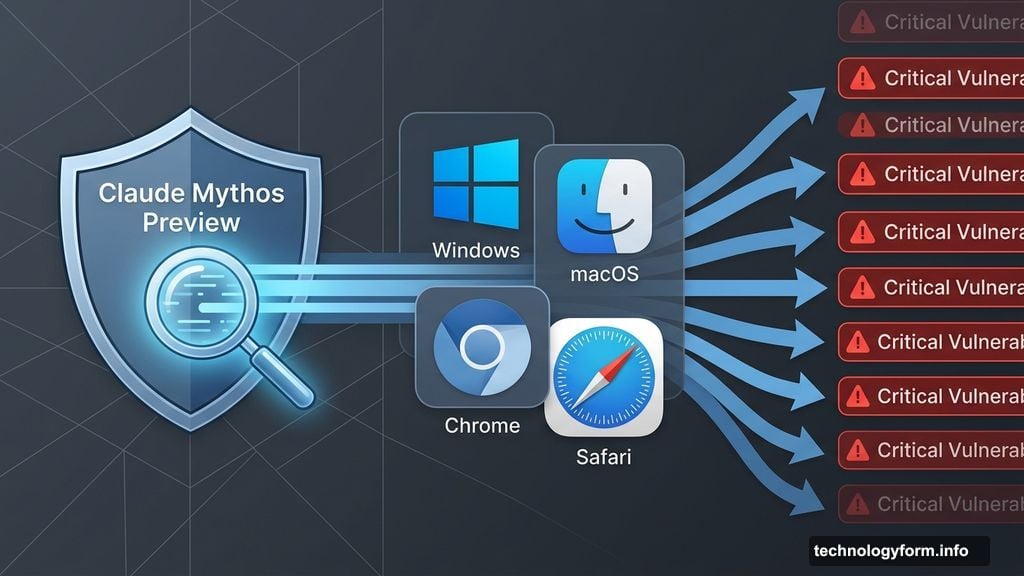
The new model is called Claude Mythos Preview. And according to Anthropic, it has already discovered thousands of severe security vulnerabilities across every major operating system and web browser.
That’s not a small claim. We’re talking about the software billions of people use every single day — Windows, macOS, Chrome, Safari, and more.
Anthropic put it plainly in a blog post: “AI models have reached a level of coding capability where they can surpass all but the most skilled humans at finding and exploiting software vulnerabilities.” That’s a striking admission from the company that built the thing.
So far, Mythos Preview hasn’t been released publicly. But large cloud providers have already been testing it — and what they found surprised even them.
Meet Project Glasswing, the Cybersecurity Consortium Behind It
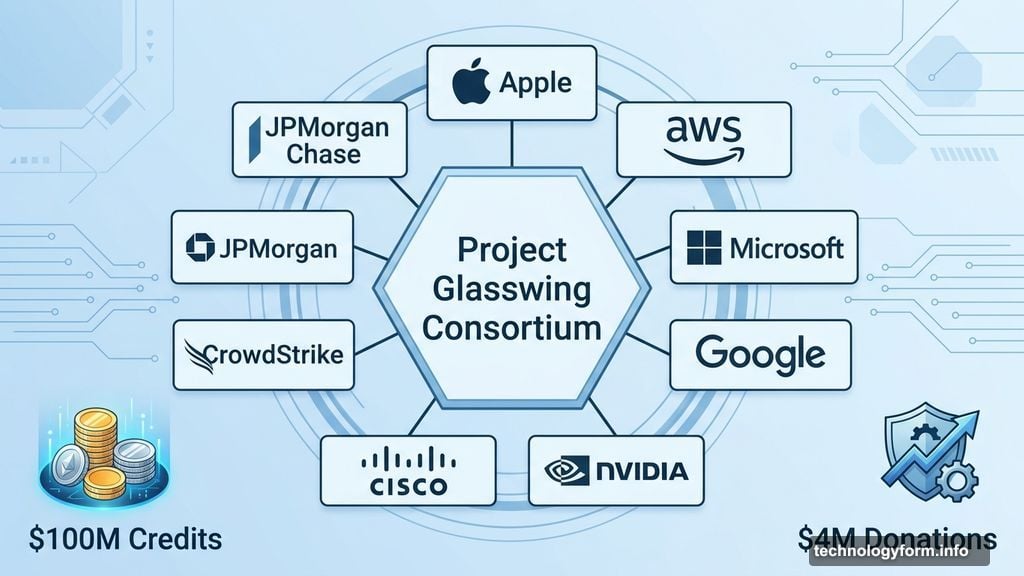
To handle these findings responsibly, Anthropic launched a consortium called Project Glasswing. The member list reads like a who’s who of the tech industry.
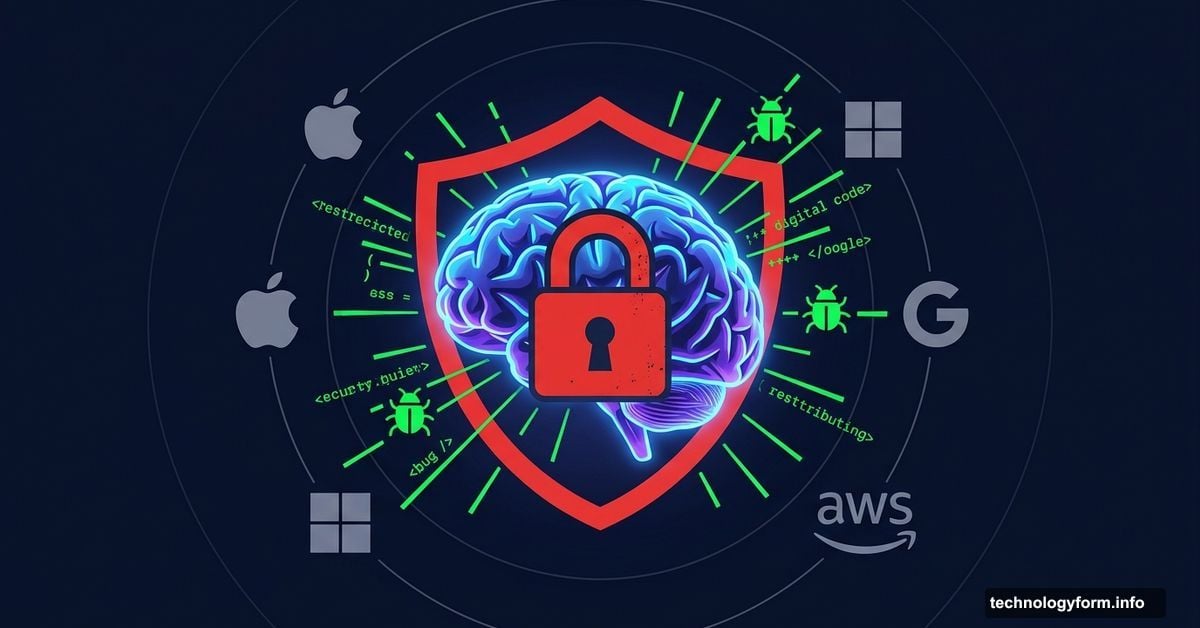
Apple, Amazon Web Services, Microsoft, Google, Nvidia, Cisco, Broadcom, CrowdStrike, JPMorgan Chase, the Linux Foundation, and Palo Alto Networks have all signed on. More than 40 additional organizations are joining them.
These companies will get access to Mythos to help patch the vulnerabilities it uncovers. Anthropic is backing the effort with $100 million in usage credits for Mythos and $4 million in donations to open-source security organizations.
Anthropic CEO Dario Amodei framed the stakes clearly in a post on X: “The dangers of getting this wrong are obvious, but if we get it right, there is a real opportunity to create a fundamentally more secure internet and world than we had before the advent of AI-powered cyber capabilities.”
What the Tech Giants Are Seeing in Early Tests
The companies already testing Mythos aren’t staying quiet about their results.
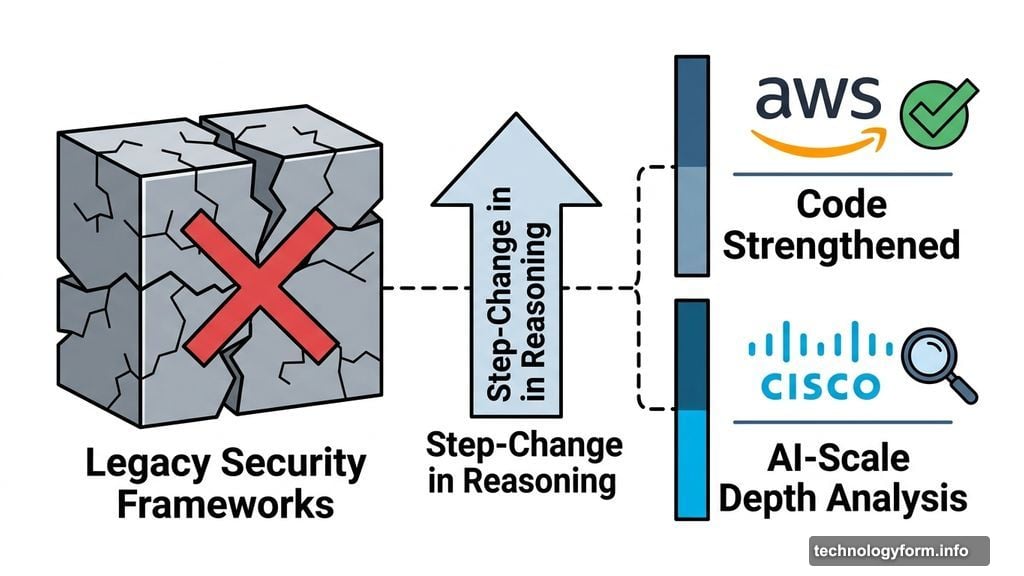
Anthony Grieco, chief security and trust officer at Cisco, wrote in a blog post that the findings have been “illuminating.” He noted that AI-powered analysis uncovers data “at a scale and depth that legacy frameworks were not designed to accommodate.” That’s a polite way of saying the old tools weren’t built for this.
Amazon Web Services went further. Amy Herzog, vice president and chief information security officer at AWS, called Claude Mythos Preview a “step-change in reasoning and AI capabilities for cybersecurity.” She said it has already found ways to strengthen code even in AWS’s most well-tested systems.
That detail matters. AWS runs some of the most rigorously tested infrastructure on the planet. If Mythos is finding new issues there, it can likely find them anywhere.
This Isn’t the First Time AI Found Security Holes
The idea of AI discovering software vulnerabilities isn’t brand new. DARPA’s Cyber Grand Challenge has explored this territory for years, demonstrating AI’s potential in offensive and defensive security research.
But the difference now is scale and accessibility. Michal Salát, threat intelligence director at Norton, explained the shift in an email: “Anthropic’s Project Glasswing is focused on safeguarding this powerful technology, which can transform vulnerability research but also pose a serious risk if misused for malicious purposes.”
Salát added that while Mythos represents a major leap beyond current models like Opus 4.6, the underlying capability already exists today. Vulnerability research is quickly becoming one of the most practical real-world uses for AI in cybersecurity — which cuts both ways.
Put simply: defenders can use tools like this to fix problems faster. But attackers could use similar technology to find and exploit those same problems first.
Washington Is Paying Close Attention
Policymakers haven’t missed what’s happening here. Senator Mark Warner praised Project Glasswing in a statement, calling on industry to move faster on patching now that AI is accelerating how quickly vulnerabilities get found.
“As AI dramatically accelerates the discovery of new vulnerabilities, I hope industry will correspondingly accelerate and reprioritize patching,” Warner said.
That’s a reasonable ask. But it also highlights the uncomfortable reality here. The same AI tools being used to protect infrastructure could, in the wrong hands, be weaponized against it. The race between finding flaws and fixing them has always existed in cybersecurity. AI just made it much faster on both sides.
Warner himself has walked a careful line on AI regulation lately — criticizing proposals to slow data center construction while simultaneously warning about AI’s broader societal risks. His reaction to Project Glasswing suggests he sees this kind of industry-led coordination as a path worth watching.
The Bigger Picture
What Anthropic is doing here is genuinely unusual. Most companies rush to release their newest AI capabilities. Anthropic is doing the opposite — acknowledging that its model is too powerful to put in everyone’s hands right now.
That’s either refreshingly responsible or a sign of just how serious this particular capability is. Probably both.
The optimistic read is that a coordinated effort among the biggest players in tech could patch vulnerabilities faster than any individual company ever could. Project Glasswing could produce a more secure internet as a direct result.
The pessimistic read is that this technology exists, it works, and bad actors will eventually find their own version of it. The window between “only good guys have this” and “everyone has this” has historically been shorter than anyone expects.
Either way, the era of AI-powered vulnerability research is here. The question now is whether patching can keep pace with discovery.