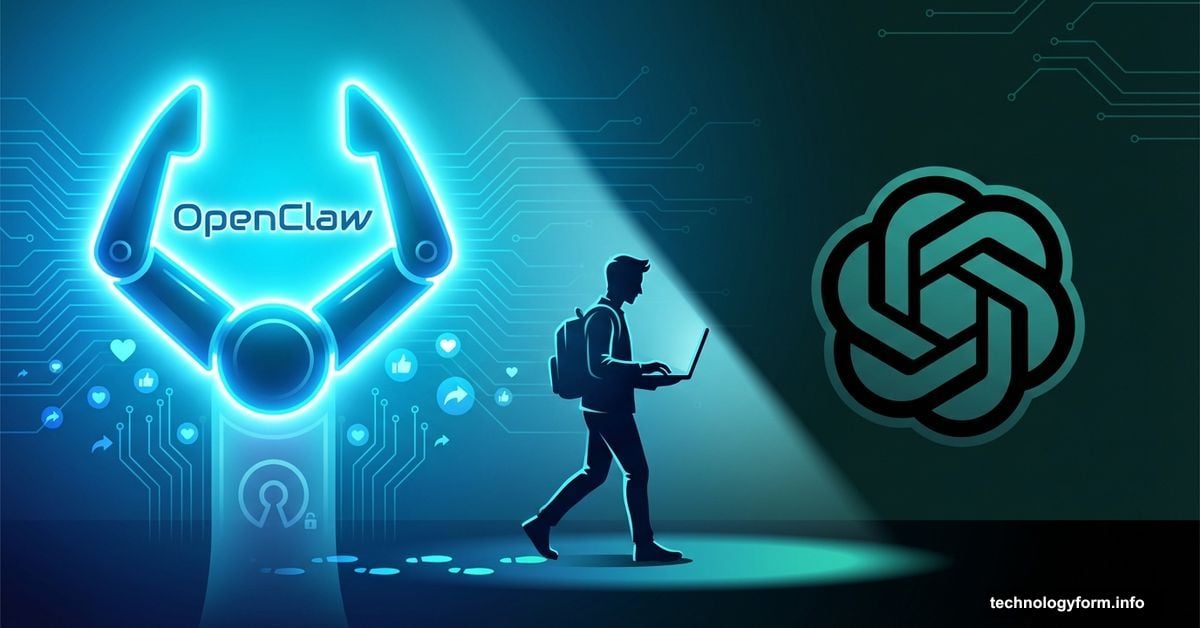
OpenClaw Creator Ditches His Viral AI Assistant to Join OpenAI
Peter Steinberger built the hottest AI assistant of 2026. Then he gave it away.
The Austrian developer behind OpenClaw just announced he’s joining OpenAI instead of turning his viral project into a standalone company. His reason? Building a big company doesn’t excite him anymore.
The AI That Actually Did Things
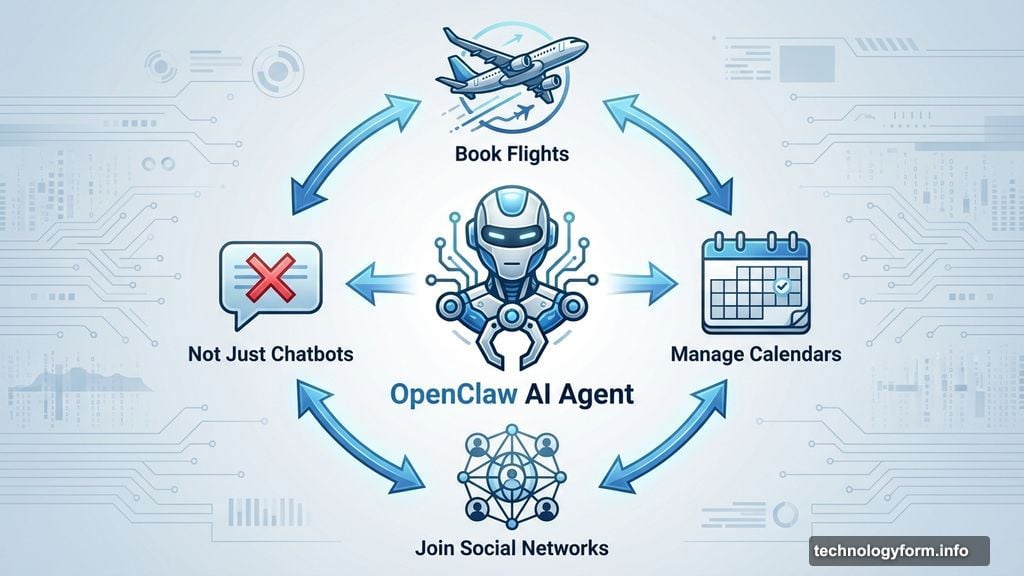
OpenClaw exploded across social media in recent weeks with a bold promise. Unlike chatbots that just talk, it actually completed tasks. Book flights. Manage calendars. Even join social networks designed for AI agents.
The project went through two name changes before settling on OpenClaw. First it was Clawdbot. Then Anthropic’s lawyers showed up, threatening action over the similarity to Claude. So Steinberger switched to Moltbot. Then he changed it again simply because he liked OpenClaw better.
That rapid iteration captured something important about Steinberger’s approach. Move fast. Build what works. Don’t get hung up on corporate processes.
Why He’s Walking Away
Steinberger could have raised massive funding. VCs were certainly interested after OpenClaw’s viral success. Instead, he’s handing the project to a foundation and joining OpenAI’s team.
His blog post explained the decision bluntly. Building a large company just isn’t exciting to him. What he wants is to change the world. Plus, partnering with OpenAI gets his vision to users faster than going solo.
OpenAI CEO Sam Altman jumped on X to announce Steinberger will “drive the next generation of personal agents” at the company. That’s corporate speak for exactly what OpenClaw was already doing. Building AI that takes action instead of just generating text.
OpenClaw Lives On (Sort Of)
The project isn’t dying. Altman promised OpenClaw will continue as an open source project through a foundation. OpenAI plans to keep supporting it.
But let’s be honest about what this means. Open source projects without dedicated full-time leadership often stagnate. Sure, the community can contribute. However, Steinberger’s vision and rapid iteration made OpenClaw special. Without him steering daily development, the project faces an uncertain future.
Some companies might find value in the codebase. Developers can fork it and build competing assistants. Yet the magic of having OpenClaw’s creator pushing boundaries every day? That’s gone.
Personal Agents Are Getting Real
Steinberger’s move signals something bigger than one developer’s career choice. Personal AI agents are transitioning from hype to reality. OpenAI clearly sees this market heating up and wants the best talent building these systems.
Think about what OpenClaw demonstrated. An AI that books your travel, manages your schedule, and handles mundane tasks isn’t science fiction anymore. The technology works right now. The race is on to see who delivers the best experience at scale.
Google has its own assistant efforts. Anthropic keeps improving Claude’s capabilities. Microsoft pushes Copilot everywhere. Now OpenAI is doubling down by bringing in someone who already proved he could ship a working product.
The Talent Grab Intensifies
Here’s what really matters. OpenAI just hired someone who built a viral competitor in his spare time. That sends a clear message to every AI developer working on side projects. Build something impressive and the big players will come calling.
This pattern keeps repeating across the AI industry. Small teams or solo developers create breakthrough demos. Then established companies absorb them before they become real threats. Sometimes that’s through acquisition. Other times through talent poaching.
Steinberger chose to join rather than compete. Smart move for him personally. He gets resources to build at scale without fundraising headaches or management duties. But it removes one independent voice from the AI agent space.
What This Means For You
If you were using OpenClaw, nothing changes immediately. The open source version will keep working. However, don’t expect rapid new features or the same level of polish Steinberger brought.
For everyone else, watch how OpenAI integrates Steinberger’s ideas into their products. The company didn’t hire him to sit in meetings. They want his approach to action-oriented AI shipping in their main products soon.
That timeline matters. Google, Microsoft, and others are racing to deliver similar capabilities. Whoever ships the most reliable personal agent first wins millions of users. Steinberger just gave OpenAI a serious head start.
The AI assistant wars just got more interesting. One of the most creative independent developers joined the biggest player in the space. We’ll see soon whether that accelerates innovation or just consolidates power.