AI Shopping Bots Keep Pushing Last Year’s Tech
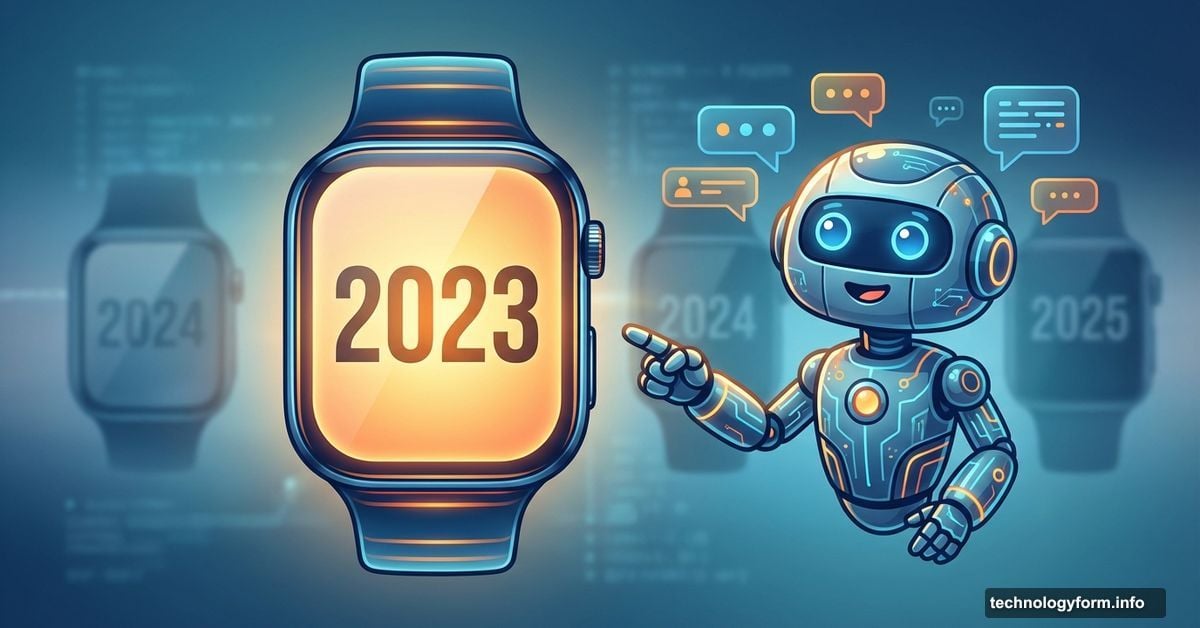
I asked four different AI assistants to help me buy a smartwatch. They all confidently recommended watches from 2022 and 2023.
Something’s broken here. ChatGPT, Gemini, Perplexity, and Copilot all launched flashy shopping features just in time for Black Friday. But when I actually tried using them? They kept steering me toward outdated products like they were still current.
This isn’t a minor quirk. It’s a fundamental problem that could cost shoppers real money and leave them with inferior gadgets.
The Smartwatch Search That Went Wrong
I needed a new Android smartwatch for my Nothing CMF Phone 1. Simple request. I asked each AI the same question and let them guide my research.
ChatGPT responded with its new Shopping Research feature. The bot asked about my priorities, showed me products to rate, then compiled recommendations with specs charts. The whole process took 10 minutes and felt polished.
But here’s the catch. ChatGPT’s top pick was the Garmin Vivoactive 5. That watch launched in 2023, and Garmin already replaced it with the Vivoactive 6 this year.
The newer model packs more storage, better GPS, and new features like Smart Alarm. Sure, the older watch costs less. But I never knew I was making that trade-off because ChatGPT never mentioned the newer option existed.
Every AI Made the Same Mistake
This problem hit all four platforms, just in different ways.
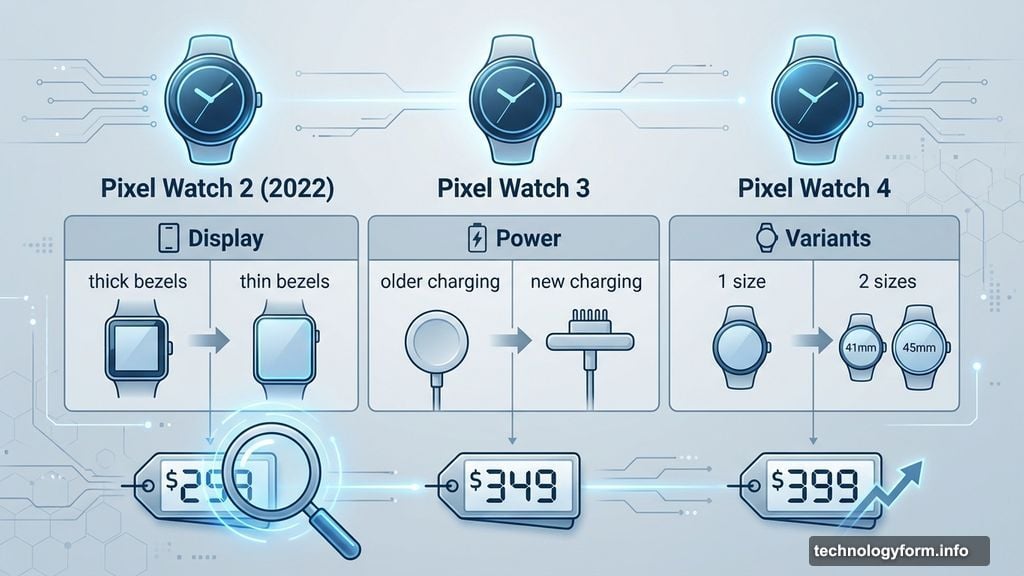
Gemini called its suggestions “latest models” while showing me a comparison chart of watches from 2022 and 2023. The Google Pixel Watch 2 made the cut, even though Google released the Pixel Watch 3 and then the Pixel Watch 4 since then.
The Pixel Watch 2 still sells for less money than current models. However, it comes with thicker bezels, older charging tech, half the battery life, and a single size option instead of two. Those details matter when you’re deciding what to buy.
Perplexity at least suggested the current Pixel Watch 4. Then it also recommended the Samsung Galaxy Watch 4 from 2021. The shopping tab got weirder, showing cheap off-brand watches and even a random phone alongside legitimate options.
Meanwhile, Copilot immediately spotted the CMF Watch Pro 2, designed specifically for my CMF Phone 1. But it missed the newer CMF Watch Pro 3 that launched afterward. At least Copilot provided useful shopping tools like price history, aggregated reviews, and price tracking notifications.
Asking Better Questions Didn’t Help Much
I tried tweaking my approach. Instead of asking for “good” smartwatches, I asked for “current” or “latest” models.
Each AI successfully pulled up the CMF Watch Pro 3 this time. Progress, right? Except they all kept suggesting older watches alongside it. The CMF Watch Pro 2, Pixel Watch 2, and other outdated models stayed in the recommendations.
Maybe these bots surface older products because newer models have fewer reviews. Or maybe their training data cuts off too early. Either way, shoppers wouldn’t know they’re potentially missing better options unless they specifically demanded the newest gear.
Real product reviews explain why you might want the latest version of something. Or why an older model still makes sense. AI shopping assistants occasionally reach that level of nuance if you dig for it. But mostly they don’t.
Google’s Phone Calls Fell Flat
Google’s “Call for me” feature promises to phone local stores and check product availability. Sounds helpful for anyone who wants to avoid calling around themselves.
I had to switch from Gemini to the regular Google app to access this feature. Then I added “near me” to my search query. Google asked me to confirm my location and product details before firing off automated calls to nearby retailers.
Fifteen minutes later, Google emailed me. Every single store it called doesn’t carry Garmin smartwatches. Perfect.
The Real Problem Goes Deeper

These AI shopping tools fail at their core job. They confidently recommend products while working from data that’s years out of date.
That’s dangerous for anyone who doesn’t already know what they’re looking for. You could easily end up buying inferior tech or missing better options you didn’t know existed.
The time gap alone makes these tools hard to recommend right now. ChatGPT and Copilot show promise with their interfaces and features. But they’re not suggesting current top picks often enough to replace human-written buying guides.
Here’s what bothers me most. These companies rushed shopping features to market before Black Friday without solving the freshness problem. They’re banking on shoppers trusting AI recommendations without verifying anything.
That trust seems misplaced. When I asked for smartwatch help, every AI confidently pointed me toward watches that already had newer replacements. None of them flagged this issue or suggested I might want to check for more recent models.
Where AI Shopping Gets It Right
A few things actually worked well during my testing.
ChatGPT’s conversational approach felt natural. The bot asked relevant questions, showed products to rate, and organized recommendations clearly. The interface made comparison shopping straightforward.
Copilot’s price history and review aggregation provided genuinely useful context. Knowing how prices fluctuated over time helps spot real deals versus fake discounts. The compiled pros and cons from Amazon reviews saved me from reading through hundreds of individual reviews.
Perplexity made reaching actual purchase links easiest. The other platforms buried buying options deeper in their interfaces.
These features hint at what AI shopping assistants could become. But the outdated product suggestions undermine everything else.
Trust But Verify
Shopping with AI right now means doing double the work. You can’t just trust the recommendations without independently verifying product details and checking for newer alternatives.
At that point, why use the AI at all? Traditional search engines and human-written reviews already provide accurate, current information without the confidence issues.
Maybe these tools improve as companies update their training data and add freshness checks. For now though, they’re more likely to mislead than help.
I’ll research my own smartwatch purchase the old-fashioned way. At least human reviewers know what year it is.