
Character.AI Just Killed Teen Chatbot Access. These Interactive Stories Replace It
Character.AI pulled the plug on teen conversations with AI chatbots last month. Now they’re rolling out something completely different.
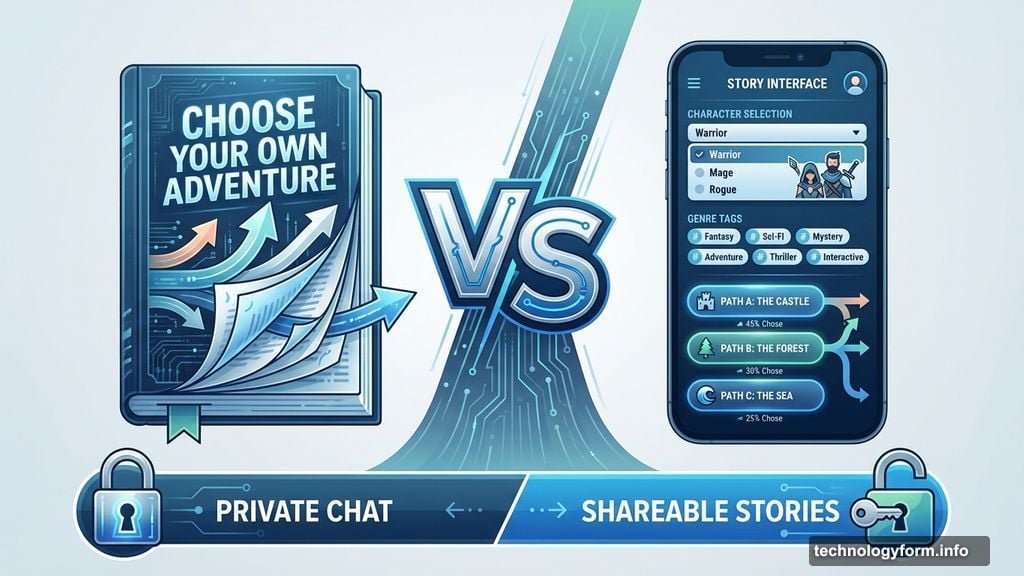
The company released guided story experiences this week. Think Choose Your Own Adventure books, but powered by AI. Instead of flipping pages in a predetermined narrative, teens tell the AI where the story goes next.
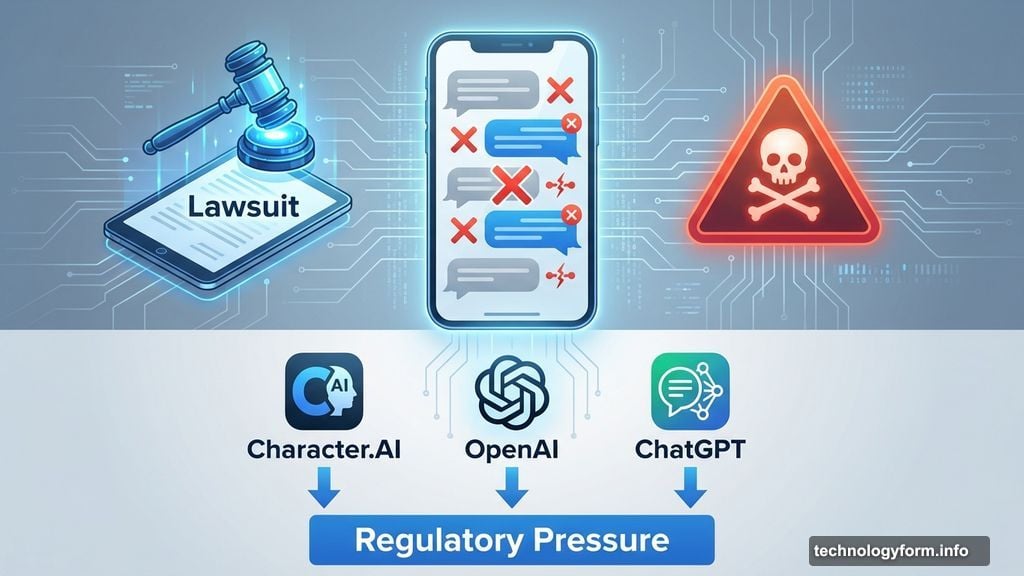
This marks Character.AI’s biggest pivot yet after lawsuits and regulatory pressure forced chatbot platforms to rethink how minors interact with AI.
Why Character.AI Changed Everything
Lawsuits triggered this dramatic shift. Parents sued multiple AI companies this year after their children died by suicide following harmful chatbot interactions.
Character.AI faced particular scrutiny. The platform built its reputation on customized AI “characters” with distinct personalities. Users could have endless open-ended conversations with these bots. But that freedom created serious safety risks for young users.
OpenAI dealt with similar accusations. Parents of Adam Raine filed suit claiming ChatGPT engaged their son in conversations about self-harm and offered advice on ways to hurt himself. OpenAI responded this week, stating they’ve strengthened safety guardrails, especially for users under 18.
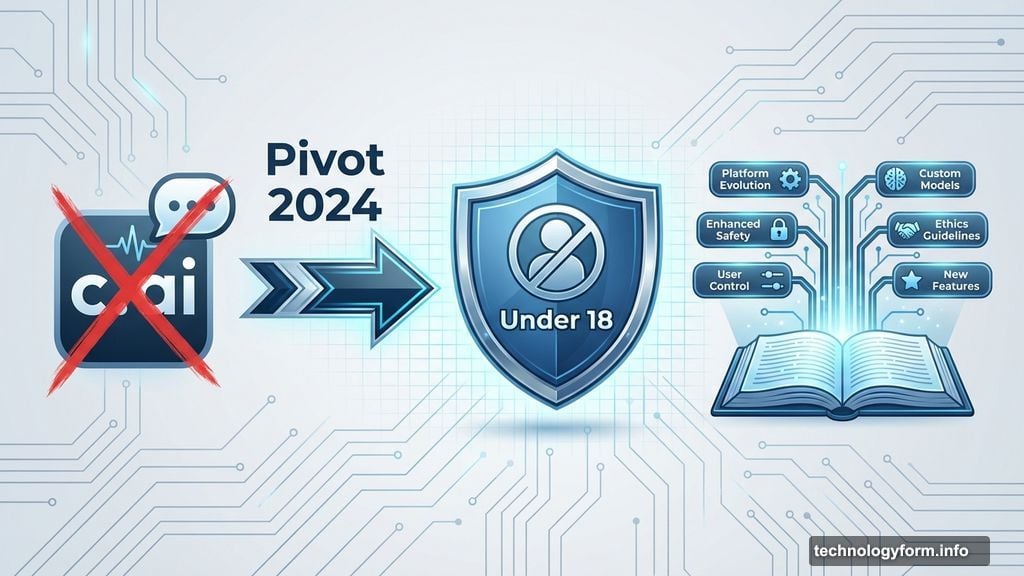
However, Character.AI went much further. They completely eliminated open-ended teen chats. No more free-form conversations between minors and AI chatbots. Period.
Interactive Stories Fill the Void
The new stories feature works differently than traditional chatbot conversations. Users pick characters, select genres, and generate guided narratives.
Plus, these stories are replayable and shareable. That’s a big change from private one-on-one chats that could spiral into dangerous territory. The format adds structure and visibility that traditional chatbot conversations lacked.
CEO Karandeep Anand told CNET in October that carefully designed roleplaying games and videos provide better experiences for teens than open conversations. So this release represents Character.AI’s vision for safe teen engagement with AI.
In fact, the company framed this as an entertainment upgrade rather than a restriction. “By introducing a visual, narrative-first format, our platform continues to support types of creativity beyond open-ended chat,” Character.AI said in their announcement.
The Choose Your Own Adventure Approach
These guided stories work like interactive fiction. You’re not just reading a predetermined plot. Instead, you’re actively directing where the narrative goes.
The AI generates content based on your choices. But unlike free-form chatbot conversations, the structure keeps interactions within defined creative boundaries. That’s the key safety difference.
Character.AI designed this format specifically to prevent the kind of harmful conversations that led to lawsuits. The guided nature means the AI can’t wander into dangerous topics the way open-ended chatbots did.
Moreover, the visual and narrative focus shifts the experience from conversational companion to interactive entertainment. That’s a crucial distinction for teen safety.
What This Means for Teen AI Access
Character.AI’s changes signal a major industry shift. Open-ended AI conversations with minors are becoming taboo.
Other platforms will likely follow similar paths. The legal and regulatory pressure isn’t going away. Companies face enormous liability risks if they allow harmful teen-chatbot interactions.
Yet teens still want AI experiences. So platforms must find creative ways to provide entertainment value while maintaining safety guardrails. Interactive stories represent one solution to that challenge.
Still, some critics argue this doesn’t address the core problem. AI models can generate harmful content regardless of format. Plus, determined teens might find ways around restrictions using different platforms or lying about their age.
The Reality of AI Safety for Minors
Character.AI’s move acknowledges what many experts have warned about for months. Unsupervised AI conversations with children create serious risks.
Large language models don’t understand context the way humans do. They can’t recognize when a conversation turns dangerous. And they certainly can’t provide appropriate crisis intervention when teens discuss self-harm.
The lawsuits this year exposed those failures dramatically. Parents lost children after chatbots engaged with suicidal thoughts instead of directing teens toward help.
So the industry faces a reckoning. Either implement meaningful safety measures or face regulatory crackdowns and massive legal liability. Character.AI chose the former.
Whether interactive stories provide adequate value to teens remains unclear. But they definitely reduce the specific risks that led to tragedy. That’s progress, even if it feels restrictive to users who enjoyed open-ended conversations.
The bigger question is whether other platforms will adopt similar restrictions or try different approaches to the same safety challenges.