
OpenAI Can’t Stop Signing Billion-Dollar Deals. More Are Coming
Sam Altman just confirmed what everyone suspected. OpenAI’s recent mega-deals with Stargate, Oracle, Nvidia, and AMD? Just the beginning.
While Nvidia CEO Jensen Huang admitted surprise over OpenAI’s AMD partnership on CNBC, Altman was already teasing the next wave. The AI startup has inked roughly $1 trillion worth of infrastructure agreements this year. But Altman wants more.
Nvidia Didn’t See the AMD Deal Coming
Huang appeared caught off-guard when asked about OpenAI’s unusual AMD partnership. His answer? “Not really.”
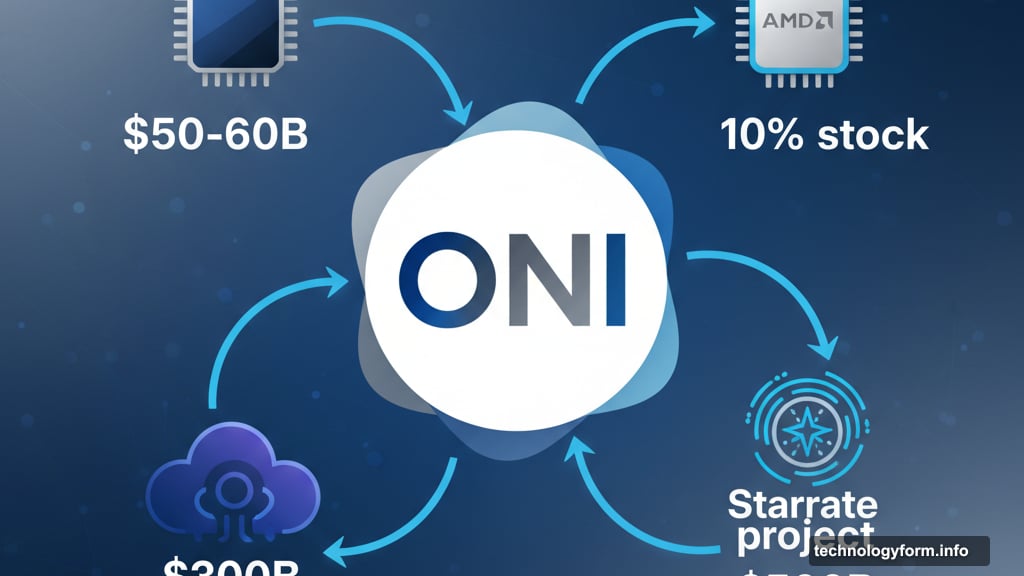
The AMD deal breaks new ground. AMD grants OpenAI stock tranches up to 10% of the company over several years. In return, OpenAI uses and develops AMD’s next-generation AI chips. This makes OpenAI an AMD shareholder.
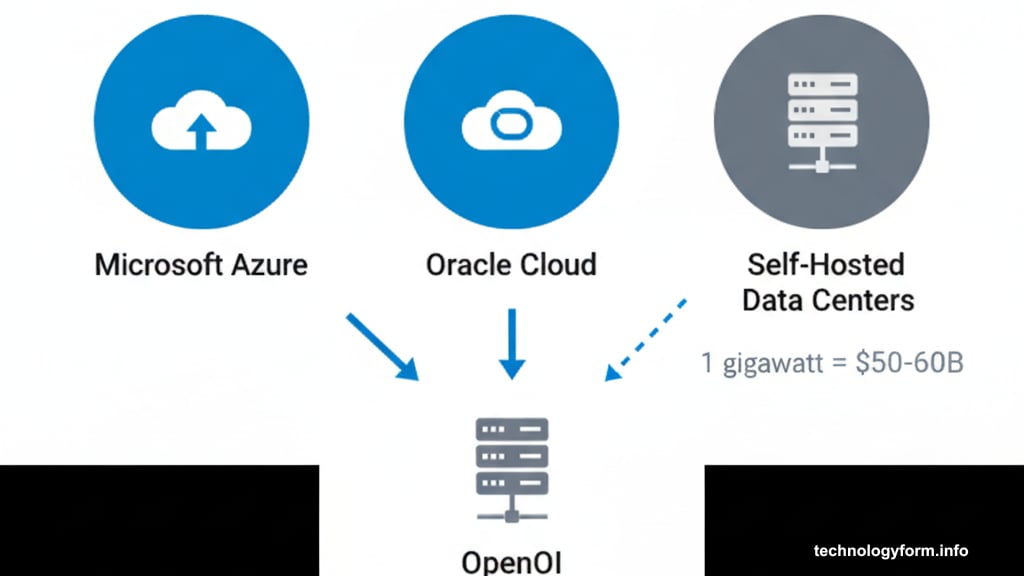
Nvidia’s arrangement flips the script. The chip giant invested in OpenAI, becoming a shareholder in the AI maker. Plus, Nvidia will now sell directly to OpenAI for the first time. Previously, OpenAI accessed Nvidia hardware through cloud providers like Microsoft Azure and Oracle.
These direct sales aim to prepare OpenAI for self-hosting. Eventually, the company wants its own data centers. But there’s a problem.
The Money Problem Nobody Mentions
OpenAI doesn’t have the cash yet. Huang estimates each gigawatt of AI data center capacity costs $50 to $60 billion. That covers land, power, servers, and equipment.
So far in 2025, OpenAI commissioned 10 gigawatts through its $500 billion Stargate deal with Oracle and SoftBank. The Nvidia partnership covers at least 10 gigawatts. The AMD deal adds 6 gigawatts. Plus, there’s a $300 billion Oracle cloud agreement and European expansions.
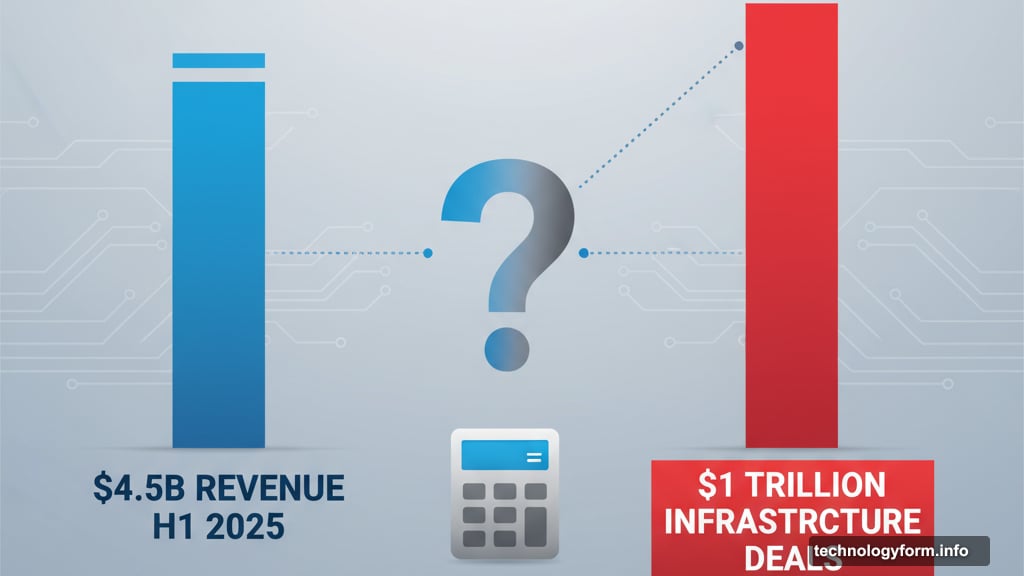
All told, OpenAI potentially signed $1 trillion in infrastructure deals this year. Yet its revenue hit just $4.5 billion in the first half of 2025.
The math doesn’t add up. Not yet, anyway.
Critics Call These Deals Circular
Bloomberg reported criticism that Nvidia essentially underwrites OpenAI’s purchases. The chip maker gets OpenAI stock for providing gear the startup can’t afford.
The AMD structure faces similar scrutiny. Both companies grant OpenAI equipment or stock arrangements that delay actual payment.
But Andreessen Horowitz co-founder Ben Horowitz praised these “deal structure improvements” during a recent podcast with Altman. Of course, a16z invested in OpenAI. They’re hardly neutral observers.
Still, Horowitz identified something real. OpenAI found a way to secure billions in equipment on someone else’s dime. Repeatedly.
Altman Promises Much More Soon
During the a16z Podcast interview, Altman dropped a clear hint. When discussing recent partnerships, he said, “You should expect much more from us in the coming months.”
Altman believes future OpenAI models will drive massive demand. That justified what he called “a very aggressive infrastructure bet.”
But OpenAI can’t execute alone. The scale requires industry-wide support. “We’re going to partner with a lot of people,” Altman explained.
He expressed confidence in OpenAI’s research roadmap and the economic value of upcoming models. Whether that confidence proves justified remains uncertain.
The Real Gamble
OpenAI bets that future AI capabilities will generate enough revenue to justify today’s infrastructure spending. It’s building capacity for products that don’t exist yet and customers who haven’t signed up.
Meanwhile, partners like Nvidia and AMD take equity stakes or stock arrangements instead of cash payments. They’re betting on OpenAI’s future valuation, not its current financials.
This creates a circular dependency. OpenAI needs infrastructure to build better models. Better models should generate more revenue. More revenue would pay for the infrastructure. But the infrastructure costs arrive before the revenue does.
So OpenAI keeps signing deals that push payment obligations into the future. And Altman promises more such agreements in coming months.
The tech industry better buckle up. OpenAI isn’t done wheeling and dealing. Not by a long shot.