Meta Just Bought an AI Wearable Company. Ray-Bans Are Just the Start
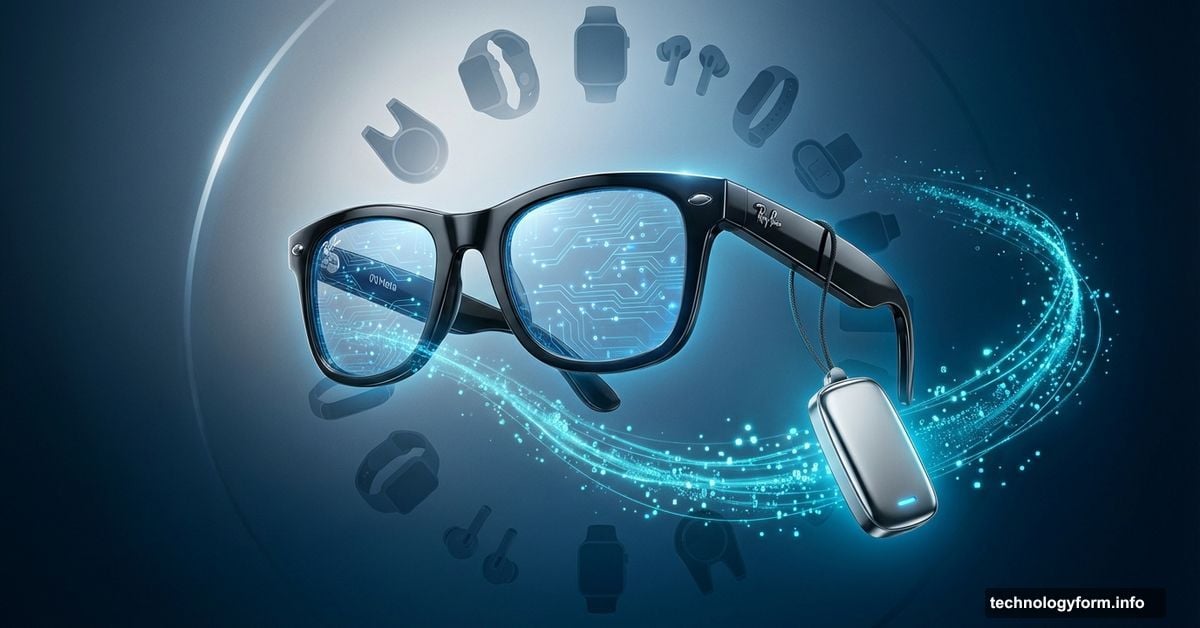
Meta isn’t stopping at smart glasses. The company just acquired Limitless, maker of an AI-powered recording pendant, signaling plans to build a broader lineup of wearable AI devices.
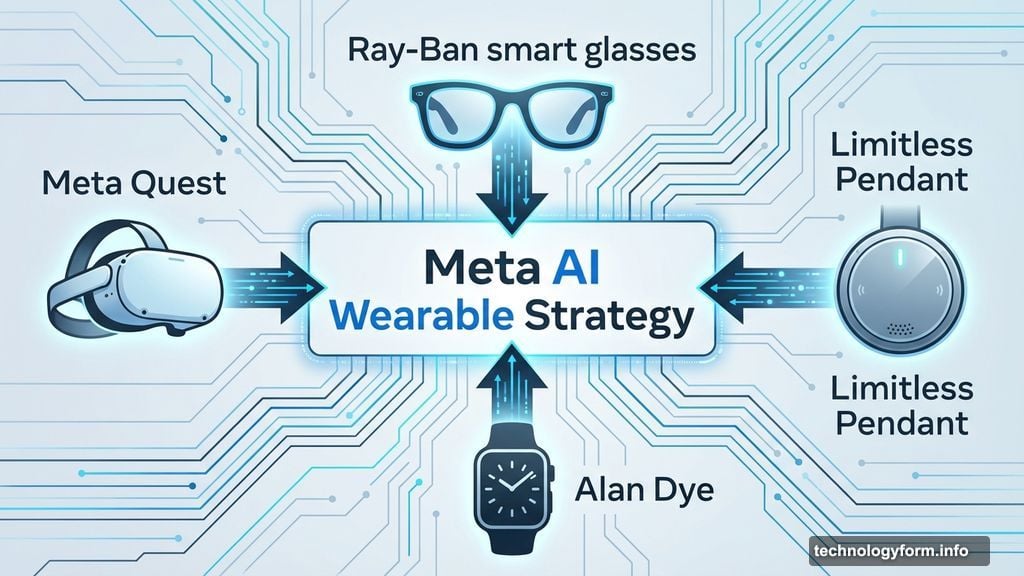
This move marks a clear shift in Meta’s hardware strategy. Until now, the company focused on VR headsets and its Ray-Ban smart glasses. But this acquisition suggests Meta wants to own multiple categories of AI wearables, not just eyewear.
What Limitless Actually Built
Limitless started with desktop software called Rewind. The app recorded everything you did on your computer and turned it into a searchable database. You could ask questions about your work history, and a chatbot would dig through your recorded activity to find answers.
Then the company moved into hardware with Pendant. This small clip-on device essentially functioned as a Bluetooth microphone that recorded everything you said or heard throughout the day. Like Rewind, it transformed audio into searchable text you could query later.
The privacy implications? Obviously massive. But the technical concept worked well enough that Meta decided to acquire the entire company rather than compete with it.
Why Meta Wants This Team
Meta CEO Dan Siroker explained the acquisition in straightforward terms. His team shares Meta’s vision of bringing “personal superintelligence to everyone” through AI-enabled wearables.

So what does Meta gain here? First, a team that already shipped a working AI wearable product. Second, expertise in always-on audio capture and processing. Third, experience building the infrastructure to handle massive amounts of personal data securely (or at least attempting to).
Plus, Limitless solved key technical challenges around battery life, audio quality, and real-time transcription. Meta can now integrate those solutions into whatever comes next.
Pendant Is Dead, But Your Data Lives On
Limitless stopped selling the Pendant immediately after announcing the acquisition. The company will support existing customers for at least another year, though availability varies by region.
Here’s the interesting part. Current Pendant owners can now use all features without paying subscription fees. That’s a rare win for customers of an acquired startup, since most companies just shut down immediately.
However, if you own a Pendant and feel weird about Meta eventually controlling your data, you can export or delete everything now. Limitless provided clear instructions for both options in their announcement.
The Bigger Picture: Meta’s Wearable Ambitions
This acquisition fits into a larger pattern. Meta recently hired Alan Dye, former Apple design lead who worked on products including the Apple Watch. That’s not a coincidence.

Meanwhile, Amazon acquired Bee, another AI wearable startup, back in July 2025. The space is heating up because the technology finally works well enough to ship products people might actually use.
AI wearables focused on audio recording lean on two things current AI models handle decently: transcribing speech to text and summarizing conversations. The use cases are obvious. Record meetings and get instant summaries. Capture ideas throughout the day without opening your phone. Build a searchable archive of everything you hear.
So we can expect Meta to launch products beyond the Ray-Ban smart glasses. Maybe a pendant-style device for people who don’t want to wear glasses. Perhaps an earpiece with similar recording capabilities. Or even something wrist-mounted that combines fitness tracking with AI assistance.
What This Means for Ray-Ban Competitors
Meta’s smart glasses partnership with Ray-Ban proved successful enough that competitors started circling. But if Meta builds multiple form factors, suddenly the glasses become just one entry point to Meta’s AI ecosystem.
That’s a stronger defensive position. Different people prefer different wearables. Some want glasses. Others prefer pendants or earpieces. By offering multiple options, Meta increases the chances that everyone finds something they’ll actually wear daily.
Moreover, multiple devices can work together. Your glasses could handle visual tasks while a pendant focuses on audio. Your phone ties everything together. Meta already has experience building interconnected ecosystems through Quest headsets, Portal devices, and Ray-Ban glasses.
Privacy Concerns Aren’t Going Away
Let’s address the obvious issue. A device that records everything you say or hear raises massive privacy questions. Who consents to being recorded? How long does Meta store the data? What happens if that data gets breached?
Limitless tried to address these concerns with local processing and encryption. But once Meta controls the technology, those assurances might change. The company’s track record on privacy isn’t exactly stellar.
So if you’re excited about AI wearables but worried about surveillance capitalism, that tension won’t disappear with better technology. It’ll probably get worse as these devices become more capable and ubiquitous.
The Race for Your Body
Every major tech company now wants to put AI on your body somewhere. Apple has the Watch and AirPods. Google has Pixel Buds. Amazon just acquired Bee. Meta bought Limitless.
The prize? Being the default AI assistant people interact with dozens or hundreds of times per day. Whoever wins that position captures massive amounts of behavioral data and becomes the primary interface for AI services.
Plus, hardware creates lock-in. Once you buy a $300 device and get used to its features, switching costs real money and effort. Software is easy to replace. Hardware isn’t.
Meta clearly sees this dynamic and decided to move aggressively. Acquiring Limitless gives them a serious head start in non-glasses wearables. Now they just need to ship something people actually want to wear.
The Ray-Ban glasses were just chapter one. Whatever comes next will define whether Meta becomes a major player in wearables or just another company with a few niche products.