Google I/O 2026: Everything We’re Expecting to See
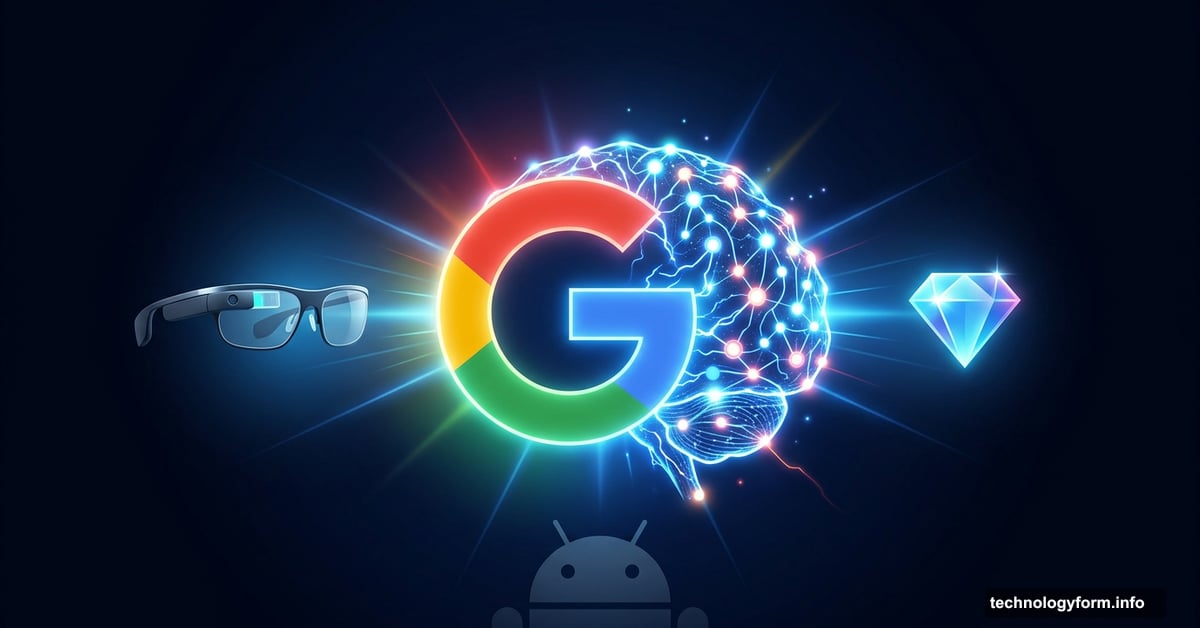
Google’s biggest developer conference of the year kicks off on May 19, and honestly, the anticipation is real. AI will dominate the stage as usual, but this year feels different. There’s actual hardware on the horizon, a bold new operating system in the works, and a Gemini update that could reshape how millions of people use Google products every day.
So let’s walk through what we think Google is about to show the world.
Agentic AI Features Take Center Stage
Google has been all-in on artificial intelligence for years now. At I/O 2026, that momentum isn’t slowing down.
The big buzz word right now is agentic AI. This refers to AI that can actually do things on your behalf, like controlling your computer or completing tasks with minimal input from you. Google has been building toward this, and I/O 2026 seems like the natural moment to go big on it.
Beyond new features, expect updates to existing AI tools. Veo, Google’s AI video generator, and Lyria, its AI music tool, have both improved steadily since launch and could get meaningful upgrades. Beam, Google’s wild 3D video conferencing technology that uses multiple cameras to make you look like a hologram in a meeting, could also get some stage time.
Gemini 4.0 Is Almost Certainly Coming
If there’s one announcement you can almost guarantee, it’s the next generation of Gemini. Whether Google calls it 4.0 or something like 3.8, a major Gemini update is expected to be one of the headline moments of the conference.
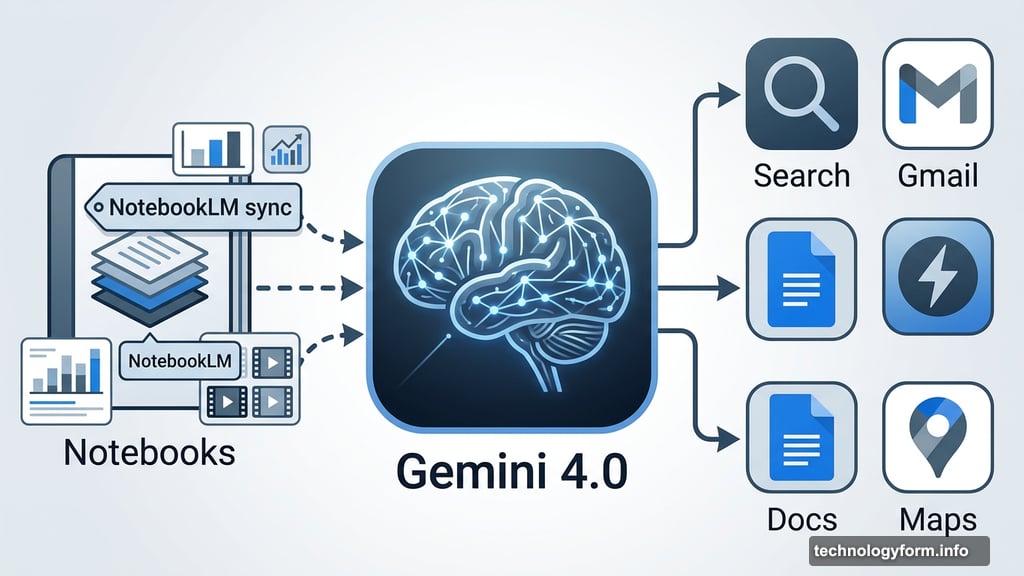
Google has been quietly adding useful features to Gemini leading up to this moment. A new notebooks feature lets you store sources on a specific topic in one place. Gemini uses that notebook for context, so you’re not starting from scratch every time you have a conversation about a subject. These notebooks also sync directly with NotebookLM, Google’s AI research assistant, letting you generate video overviews, charts, and other outputs.
There’s also a newer ability where Gemini can build dynamic, interactive simulations right inside your chat. Ask it to visualize something, and it’ll actually show you a working model instead of just describing it. That’s genuinely impressive.
Given how deeply Gemini is woven into Google’s products now, the key question isn’t just how smart the new model is. It’s how those improvements trickle down into Search, Docs, Gmail, and everything else Google makes.
Android XR Smart Glasses Finally Get Real
![A person wearing sleek, minimal Android XR smart glasses with Gemini Live integration, shown in a modern urban setting]
Android XR glasses were teased at last year’s I/O alongside a handful of partnerships. This year, Google needs to move from concept to product.
Smart glasses have been having a genuine moment. Meta’s collaborations with Ray-Ban and Oakley brought fashionable, functional glasses to a wide audience. Google is stepping into that established market, but this time with serious AI muscle behind the hardware.

The original Google Glass, launched back in 2013, was a very different beast. It had a visible protruding lens, it could snap photos, and it made everyone around the wearer deeply uncomfortable. The backlash was swift and severe, giving rise to the unfortunately perfect term “Glassholes.” Google stepped back, and the product faded.
Android XR glasses won’t have that obvious design problem. They’re built to look like regular eyewear. Features like heads-up notifications, live translation, and Gemini Live integration are all expected. Plus, Samsung’s Galaxy XR headset already runs on Android XR, which means the platform has real hardware momentum.
At I/O 2026, we could see final design details, a confirmed release date, and pricing across multiple partner tiers. Multiple hardware partners mean you might see both budget-friendly and premium options at launch.
Android 17 Is Almost Ready to Ship
Google dropped the first Android 17 beta back in February, and three more betas have landed since, with the latest arriving in mid-April. The final release is expected sometime in June or July, just ahead of the next Pixel family announcement in August.
So far, Android 17 doesn’t have a single headline feature that makes jaws drop. But the details are interesting. App bubbles stand out as one of the most useful additions, letting you pull any app into a floating window and minimize it to a bubble on your screen. It’s the kind of feature that sounds minor but becomes something you use constantly.
Last year, Google split its Android news into a separate broadcast called The Android Show, held a week before I/O. It reportedly sounds like that might happen again this year, with a YouTube placeholder for the event accidentally going live before being pulled down. Whether that confirms anything is unclear, but it’s worth watching.
Aluminum OS Could Be the Wildcard Announcement

The most intriguing project on Google’s plate right now might be Aluminum OS, a new operating system that merges Android and ChromeOS into one unified platform. The idea is to bring Android to laptops and other devices while keeping the full Chrome web browsing experience intact.
No firm hardware launch date exists yet, but Google I/O feels like the perfect venue for a surprise. Partnership announcements with laptop makers seem plausible. A full product reveal isn’t out of the question. And honestly, the return of a Google-made Pixelbook, this time running Aluminum OS, doesn’t sound as unlikely as it might have a year ago.
The real appeal here is seamlessness. A laptop running Aluminum OS and an Android phone from the same ecosystem should interact far more naturally than current Android and Chromebook setups do. If Google pulls this off cleanly, it could seriously challenge the iPad and MacBook combination that Apple users already enjoy.
May 19 Can’t Come Soon Enough
Google has a genuinely packed slate heading into this conference. Gemini is evolving fast. Android XR glasses are moving from prototype to product. Aluminum OS represents the boldest software bet the company has made in years.
What makes this I/O feel more exciting than recent years is the combination of software and hardware ambition happening at the same time. It’s not just another round of AI features, though there will be plenty of those too. It’s Google trying to own an entirely new category of wearable computing while also rethinking what a laptop operating system can be.
Whatever gets announced on May 19, the AI thread will run through all of it. That’s been true for a few years now. But this time, Google might actually have the hardware to match the ambition.