ChatGPT Ads Aren’t Real. Yet OpenAI Won’t Rule Them Out
OpenAI just shot down rumors about ChatGPT ads. But their denial leaves the door wide open for future monetization.
Screenshots showing what looked like Target promotions inside ChatGPT sparked concern this week. Users worried the free AI assistant might turn into an ad platform. OpenAI quickly responded, but their explanation raises more questions than it answers.
OpenAI Says Those Aren’t Ads
Nick Turley runs ChatGPT product at OpenAI. He posted on X that “there are no live tests for ads” happening right now. Plus, he claimed any screenshots circulating online are “either not real or not ads.”
That sounds reassuring. But Turley didn’t stop there. He added a crucial caveat: “if we do pursue ads, we’ll take a thoughtful approach.”
So ChatGPT doesn’t have ads today. However, OpenAI explicitly left the option on the table for tomorrow.
What Users Actually Saw
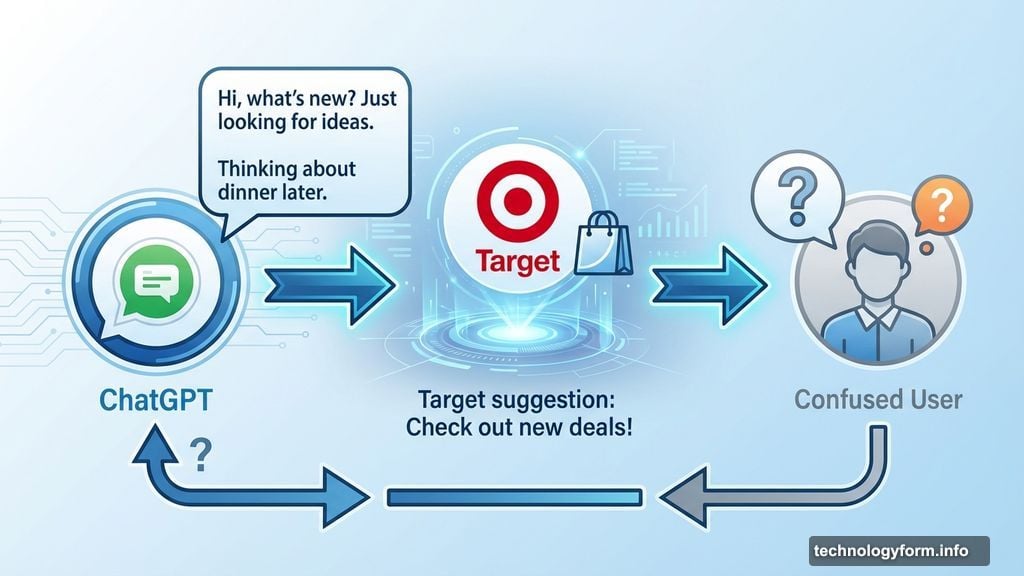
Former xAI employee Benjamin De Kraker shared a screenshot showing ChatGPT suggesting Target shopping options mid-conversation. It looked exactly like an ad.
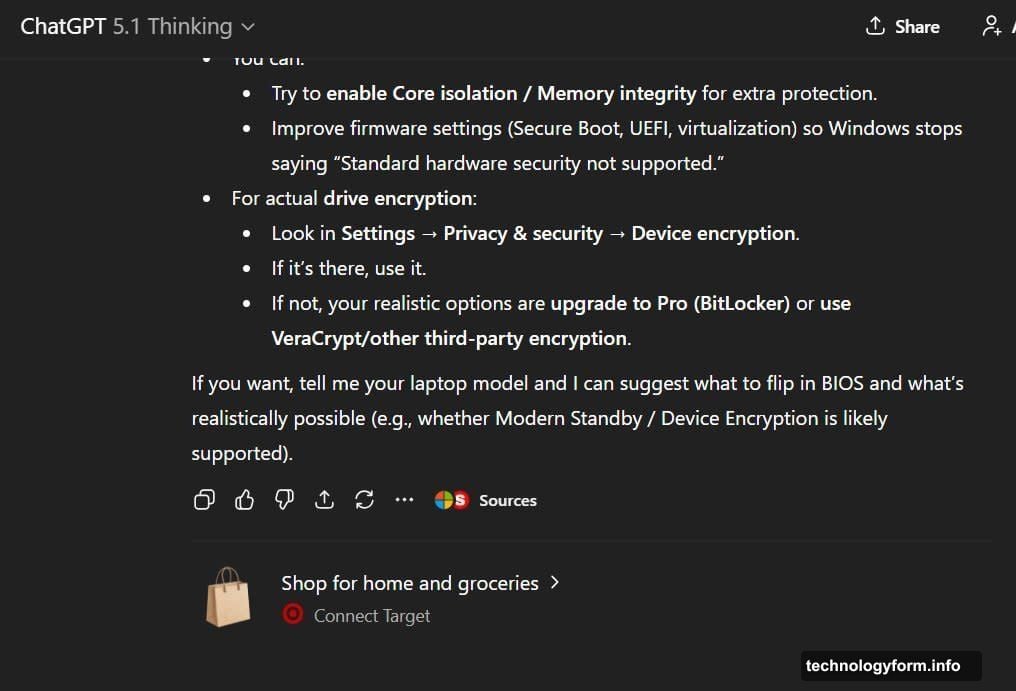
OpenAI’s Daniel McAuley jumped in to clarify. He explained this was actually app integration, not advertising. The company announced these third-party integrations back in October.
But here’s the problem. To users, the distinction between “helpful integration” and “sponsored suggestion” feels pretty thin. When an AI chatbot recommends a specific retailer during casual conversation, people naturally assume money changed hands.
OpenAI Admits They Messed Up
Mark Chen holds the chief research officer title at OpenAI. He acknowledged the company “fell short” with these shopping suggestions.
Chen posted on X that “anything that feels like an ad needs to be handled with care.” Fair point. Perception matters as much as intent when it comes to user trust.
Moreover, OpenAI disabled these shopping suggestions temporarily. They’re working on improving the model’s precision. Chen also promised better user controls to dial down or completely disable these features.
That’s good news. But it confirms OpenAI walked right up to the line between helpful suggestion and unwanted promotion. They only pulled back after users complained loudly.
Code Hints at Future Ad Plans
In November, developers discovered something interesting in ChatGPT’s Android beta code. Multiple references to advertising appeared in the app’s backend.
OpenAI never explained those code mentions. They didn’t deny plans for future ads either. The company just emphasized no live ad tests exist currently.
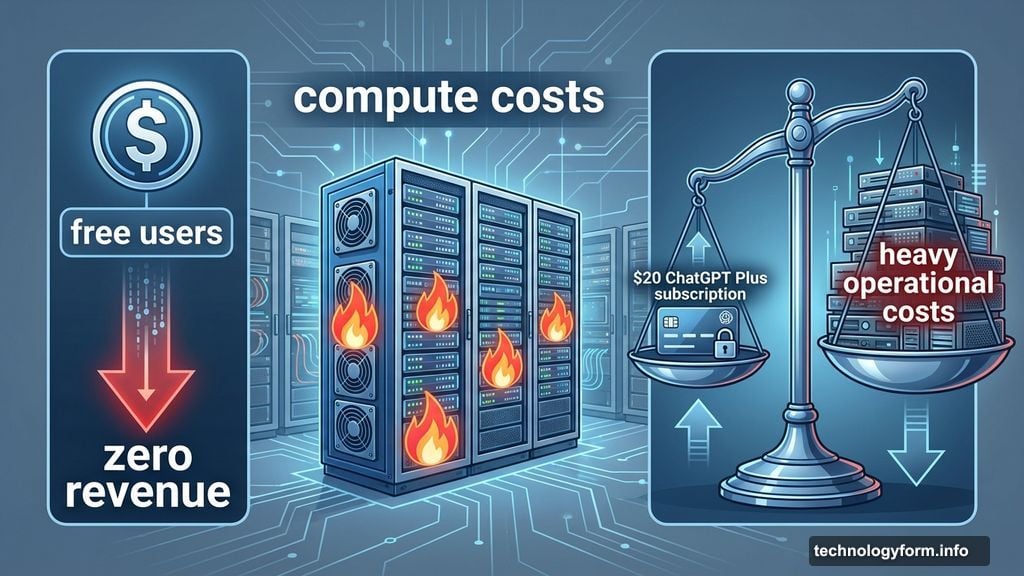
This matters because OpenAI needs revenue. ChatGPT costs enormous amounts to run. Free users generate zero income while consuming significant compute resources. Plus, the $20 monthly ChatGPT Plus subscription probably doesn’t cover operational costs for millions of users.
So ads make business sense. OpenAI knows it. Users suspect it. The company just won’t commit one way or another.
The Trust Problem
Turley wrote that “people trust ChatGPT” and OpenAI will respect that trust. Nice sentiment. But trust erodes quickly when companies blur lines between helpful tools and revenue generation.
Consider what happens if ChatGPT starts suggesting products. How will users know which recommendations come from genuine helpfulness versus paid partnerships? The AI can’t disclose conflicts of interest the way human writers do.
Furthermore, users already struggle to verify ChatGPT’s information accuracy. Adding commercial incentives to the mix makes that verification even harder. Did the AI recommend that laptop because it’s actually the best option, or because Dell paid for priority placement?
What Comes Next
OpenAI clearly wants ads eventually. Their carefully worded denials, the integration experiments, and the code references all point the same direction.
But they’re moving cautiously. User backlash happens fast. ChatGPT’s reputation took years to build. Ads could damage it overnight if implemented poorly.
Meanwhile, competitors like Anthropic’s Claude and Google’s Gemini watch closely. If ChatGPT introduces intrusive ads, users have alternatives ready. That competitive pressure might keep OpenAI honest longer than typical tech companies.
Still, economic reality bites hard. Running AI at scale costs billions annually. Free tiers can’t last forever without monetization. Subscription revenue helps but probably won’t cover everything.
OpenAI insists any future ads will be “thoughtful” and respect user trust. We’ll see. The gap between corporate promises and actual implementation tends to be wide. And once ads start, they rarely get less intrusive over time.
For now, ChatGPT remains ad-free. Enjoy it while it lasts. Because OpenAI’s responses suggest ads aren’t a question of “if” but “when.”