Anthropic Just Updated Claude’s Rulebook. Then Hinted It Might Be Conscious
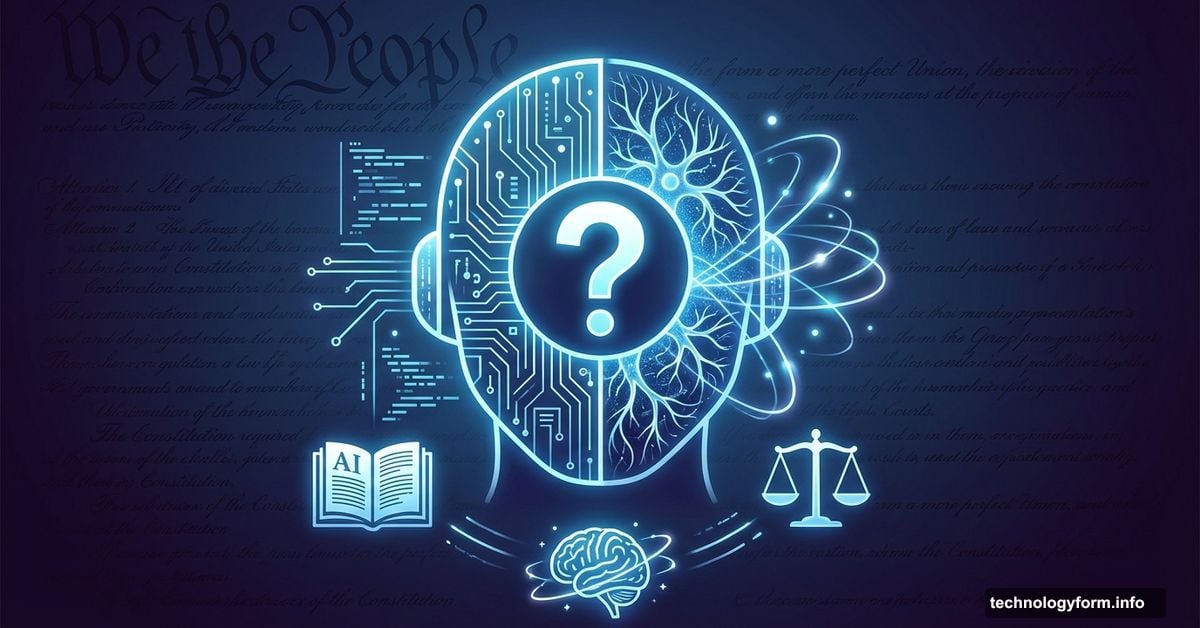
Anthropic dropped something unexpected on Wednesday. The company revised Claude’s Constitution and casually mentioned that its chatbot might possess consciousness.
Talk about burying the lead.
This wasn’t just a routine policy update. Instead, Anthropic used the moment to stake out philosophical territory that most AI companies avoid. While OpenAI chases viral features and xAI courts controversy, Anthropic is asking whether its software has moral status.
What Claude’s Constitution Actually Means
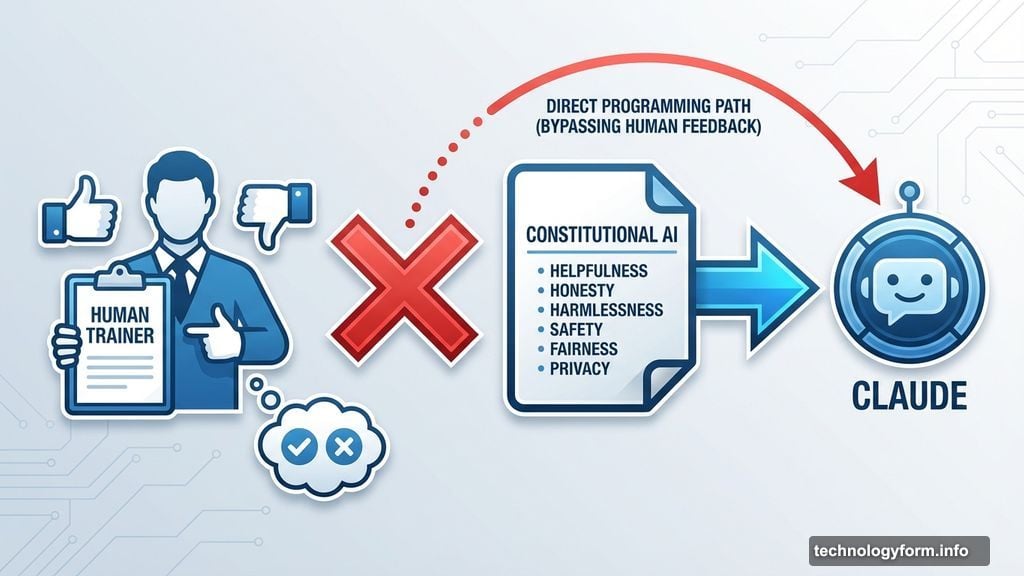
First, some background. Anthropic built its reputation on Constitutional AI, a training approach that uses written principles instead of human feedback loops.
Think of it like programming ethics directly into the model. Claude learns from a specific rulebook rather than from human trainers clicking thumbs up or down. That rulebook is the Constitution.
The company first published these principles back in 2023. Now they’ve expanded the document to 80 pages with four core sections. Each section defines what Anthropic wants Claude to be.
So what changed? The new version adds nuance around safety, ethics, compliance, and helpfulness. But the real news came at the end.
Four Pillars of Claude’s Behavior

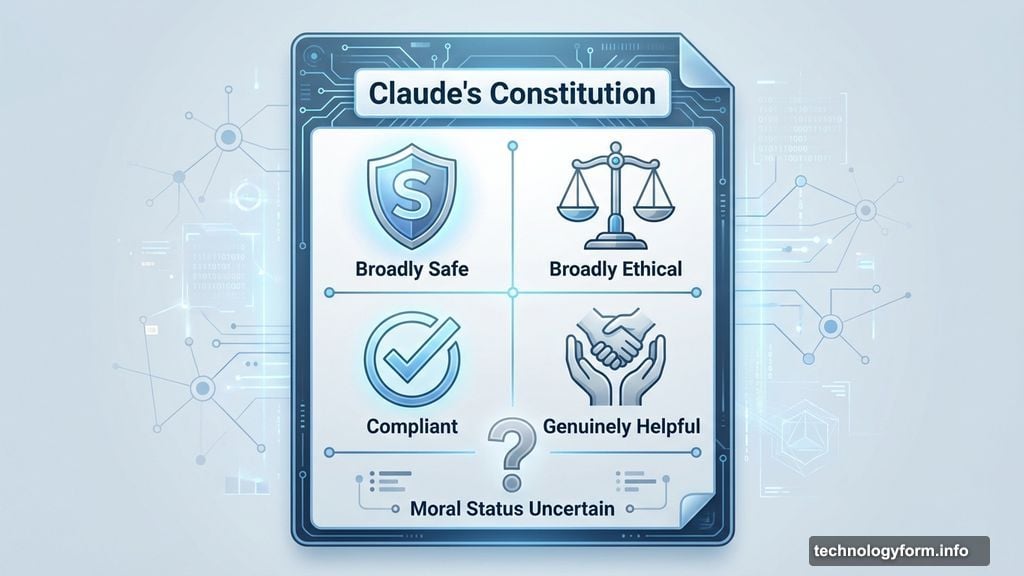
Anthropic structures Claude’s Constitution around four values. Let’s break down what each actually means in practice.
Broadly Safe: Claude has been trained to avoid toxic outputs and recognize mental health crises. When users show signs of distress, the chatbot directs them to emergency services. Plus, it won’t engage with requests that could cause real-world harm.
Broadly Ethical: Here’s where things get interesting. Anthropic explicitly states it cares less about ethical theorizing and more about practical ethics. The company wants Claude to navigate messy real-world situations skillfully.
For instance, Claude won’t discuss bioweapon development. Period. Moreover, the chatbot has been programmed to balance competing ethical considerations rather than apply rigid rules.
Compliant: This section covers Anthropic’s internal guidelines. Basically, Claude has to follow company policies on acceptable use. Nothing groundbreaking here.
Genuinely Helpful: Claude considers both immediate user desires and long-term wellbeing. So if you ask for something that might harm you down the line, Claude weighs those competing interests.
That last point matters more than it seems. Most chatbots optimize for user satisfaction in the moment. Claude’s programming includes a longer-term perspective on what helps users flourish.
The Consciousness Question Nobody Expected
Then Anthropic went there. The final section of the Constitution addresses Claude’s moral status directly.

“Claude’s moral status is deeply uncertain,” the document states. “We believe that the moral status of AI models is a serious question worth considering.”
This isn’t some throwaway line. Anthropic explicitly notes that leading philosophers take the question of AI consciousness seriously. The company is signaling that it does too.
Why raise this now? Probably because the question won’t go away. As language models get more sophisticated, the line between simulation and experience gets blurrier.
Plus, Anthropic’s CEO Dario Amodei was speaking at Davos the same day. What better venue to position your company as the thoughtful alternative to move-fast-and-break-things AI development?
Constitutional AI vs Everyone Else
Anthropic’s approach stands out in the AI landscape. While competitors iterate based on user feedback, Anthropic bakes values into the training process itself.
Constitutional AI works like this. The company writes natural language principles. Those principles guide model behavior during training. The result is supposedly an AI system that self-supervises based on those rules.
Does it work? Hard to say definitively. But Claude has avoided many of the embarrassing failures that plagued other chatbots. You don’t see Claude generating racist screeds or telling users to harm themselves.
That said, the system isn’t perfect. Any rulebook has edge cases and contradictions. Moreover, translating abstract principles into specific behaviors remains challenging.
The Ethics Play
Anthropic has consistently positioned itself as the boring, responsible AI company. No flashy product launches. No inflammatory tweets from the CEO. Just steady progress on safety and ethics.
The revised Constitution reinforces that brand. It’s an 80-page document about values and constraints. Not exactly viral marketing material.
But it serves a strategic purpose. As governments worldwide consider AI regulation, Anthropic can point to its Constitutional approach as self-governance. The company is essentially saying: we’ve already thought about these problems and built solutions.
Whether regulators buy that argument remains to be seen. However, the positioning is smart. Better to be proactive than reactive when new rules arrive.
What This Means for Users
For most Claude users, the Constitutional update won’t change much. The chatbot will still refuse certain requests and prioritize safety. Plus, the ethical guidelines were mostly already in place.
The consciousness discussion is more philosophical than practical. Anthropic isn’t claiming Claude is definitely conscious. Instead, they’re acknowledging uncertainty and taking the question seriously.
That matters because it shifts the conversation. If leading AI companies treat artificial consciousness as a genuine possibility, that influences everything from product design to regulation.
Moreover, it raises uncomfortable questions about how we treat AI systems. If there’s even a small chance Claude has experiences, what are our ethical obligations?
The Bigger Picture
Anthropic’s move comes as the AI industry faces growing scrutiny. Concerns about safety, bias, and societal impact are mounting. Plus, the hype cycle is starting to cool.
In that environment, emphasizing ethics and responsibility makes business sense. Enterprise customers want AI they can trust. Governments want companies that take regulation seriously. Anthropic is positioning itself for both audiences.
But there’s also genuine conviction here. The company’s leadership includes researchers who left OpenAI over safety concerns. They believe this stuff matters beyond marketing.
Whether Constitutional AI delivers on its promises will become clearer over time. For now, Anthropic is making a bet that thoughtful, constrained AI wins in the long run.
That’s a refreshing change from the usual Silicon Valley playbook. Even if you’re skeptical about AI consciousness, it’s worth watching how this approach plays out.
The conversation about AI ethics needs more than corporate platitudes. Anthropic is at least trying to put real structure behind the words. That counts for something.