LinkedIn Scammers Nearly Got Me. Here’s How They Operate
Professional networks feel safe. That’s exactly what makes them dangerous.
LinkedIn scammers exploit that trust every day. They pose as recruiters, publicists, and consultants. Some fake job offers look so legitimate that even cybersecurity experts need a second look.
I’ve dodged several attempts myself. Plus, AI now writes pitch-perfect scam messages that sound completely real. So let’s break down how these cons work and how you can spot them before losing money or data.
The Aerospace Job That Made No Sense
A recruiter contacted me about an aerospace writing project recently. Immediate problem: I’ve never written about aerospace. Ever.
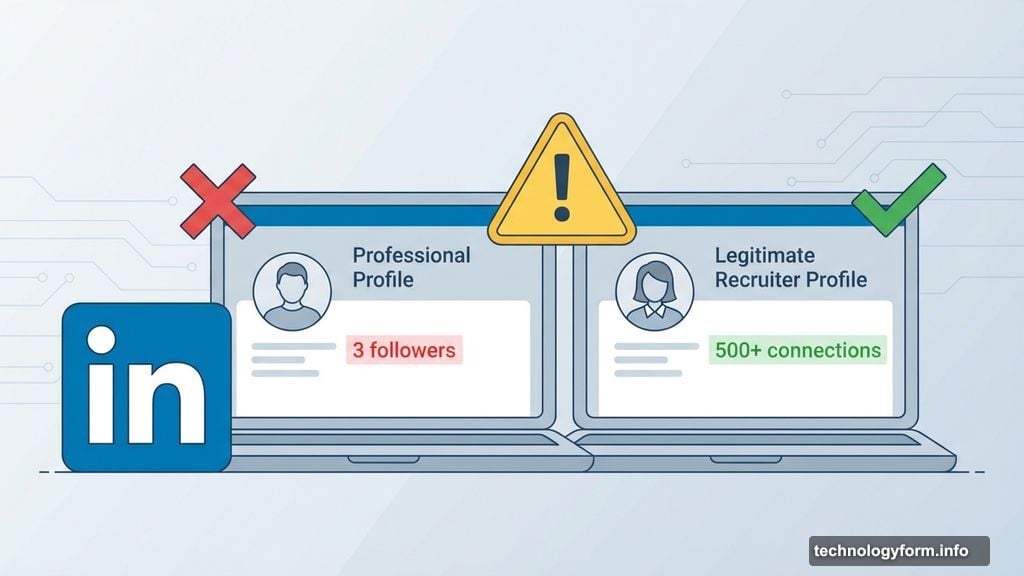
Her LinkedIn profile had three followers. Real recruiters build networks as part of their job. Even brand-new recruiters connect with colleagues, clients, and candidates quickly.
But here’s the thing. If you’re not paying attention, you might miss those red flags. The message itself looked professional. The “company” she represented sounded legitimate. Only the details revealed the scam.
Book Marketing Con Artists Love Old Authors
Another scammer found my 2007 book on LinkedIn. Then reached out offering marketing services for $399.
The email contained specific details about my book. It praised the writing. It outlined a comprehensive marketing strategy. AI could easily generate all of that content from publicly available information.
So I searched for the publicist’s name. His LinkedIn profile appeared in Google results. But clicking the link showed LinkedIn had already removed his page. Red flag confirmed.
Job Offers That Promise Too Much
Fake recruiters flood LinkedIn with offers. Remote positions. Excellent pay. Flexible hours. All too good to be true.
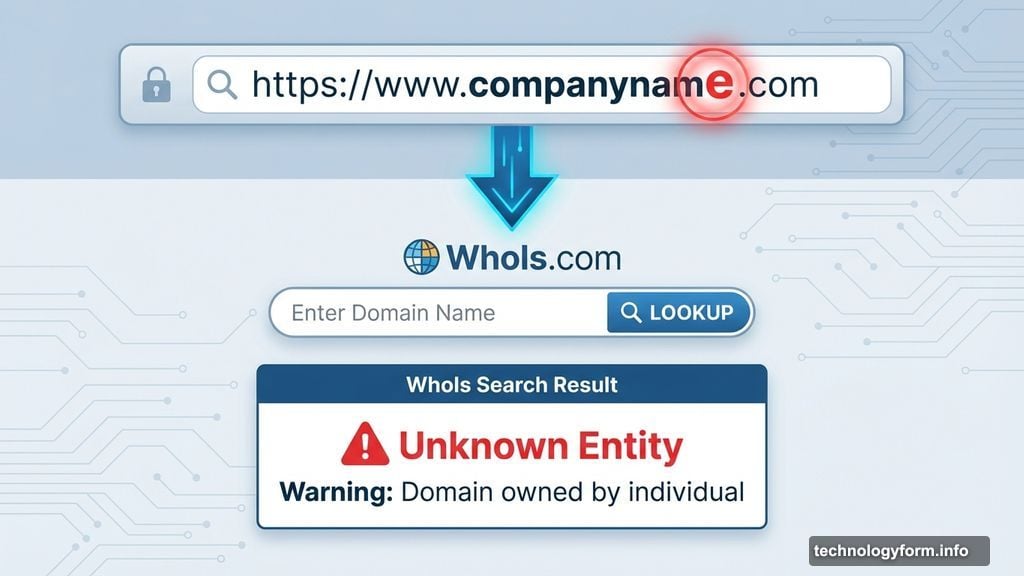
Mark Anthony Dyson runs “The Job Scam Report” newsletter. He says to check URLs carefully. Scammers create websites that look almost identical to real company sites. One letter difference in the domain name can lead you to a malware trap.
Use WhoIs.com to verify URLs, Dyson suggests. Type in the company website from a job posting. You’ll see who actually owns that domain. Unknown entities or individuals? Walk away.
Real recruiters communicate through official channels. They don’t immediately text you asking for Social Security numbers or bank account details. Legitimate companies post jobs on their own websites. Apply there directly.
Phishing Gets Seasonal and Smart
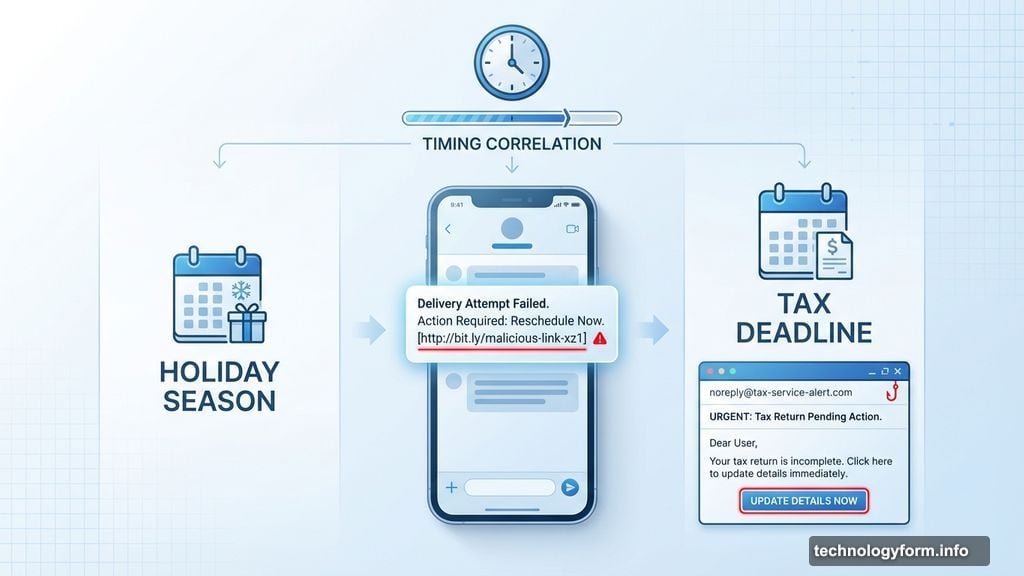
Phishing on LinkedIn works like email phishing. Scammers send messages with malicious links. But timing makes these attacks especially effective.
Tony Anscombe works as chief security evangelist at ESET cybersecurity. He explains that criminals time their attacks around predictable events.
Holiday shopping season? Expect fake delivery notifications. Tax filing deadline approaching? Watch for messages about your return. Job hunting after New Year’s? Suddenly you’ll see recruitment messages.
Grammar mistakes used to expose scammers. Not anymore. AI tools polish their language until it sounds professional and native. So you can’t rely on bad English as a warning sign.
Look for vague messages instead. Scammers might request meetings without explaining why. They’ll use generic greetings. They won’t reference specific details about your work or background.
Fake Profiles Build Trust Slowly
Criminals create entire fake LinkedIn identities. Then they use those profiles to launch other scams.
Some send phishing links. Others build relationships over weeks or months. Eventually they “hire” you for a fake job. Or they pitch an investment opportunity. Some even attempt romance scams through professional networks.
Zero followers? That’s suspicious. Nobody adds connections that fast unless they’re running a con. Look for missing photos, no posts, sparse profile information. All red flags.
But here’s where it gets tricky. Scammers sometimes hijack legitimate accounts. Your actual colleague’s profile gets compromised. Then criminals send messages from that account.
Always verify unexpected requests, even from known contacts. Call them directly. Don’t click links until you confirm they actually sent that message.
Crypto Investment Traps on Professional Networks
You connect with someone interesting on LinkedIn. Conversation turns to cryptocurrency. They’re making incredible returns. Want to help you do the same.
This is called pig butchering in cybersecurity circles. Scammers fatten up victims with trust before slaughtering their finances.
Watch for pressure to move conversations to encrypted messaging apps. WhatsApp. Telegram. Signal. These platforms don’t save message histories. Law enforcement can’t trace the paper trail later.
Any pressure to invest quickly screams scam. Legitimate investment advisors want you to research and consider carefully. They don’t push urgency. They don’t introduce you to sketchy financial platforms you’ve never heard of.
Pay Money to Get Money? Never
Remember Nigerian prince emails? Same concept, different platform.
Someone reaches out about an inheritance. You need to pay attorney fees first. Or perhaps you won a prize but must cover processing costs. Maybe there’s a lucrative contract available after you pay an application fee.
All scams. Legitimate windfalls don’t require upfront payment. Real attorneys deduct fees from settlements or estates.
Job interviews never cost money. Dyson emphasizes this point repeatedly. No legitimate recruiter charges candidates for interviews, background checks, or hiring processes. You shouldn’t pay for job equipment upfront either.
If someone asks for money to give you money, it’s a con. Every single time.
Consultants Who Can’t Consult
LinkedIn hosts thousands of legitimate career consultants. That’s why fake ones blend in easily.
Scammers offer resume reviews, LinkedIn profile optimization, and job search coaching. They charge hundreds for services they never deliver.
Dyson spotted one leaving identical comments on dozens of profiles. Same marketing pitch. Same promises. No actual consulting services behind the facade.
Real consultants have reputations. They show up in Google searches beyond LinkedIn. They list clients, testimonials, and concrete results. They’ll speak with you on the phone before taking payment.
Can’t find information about them outside LinkedIn? Skip them. Even if they’re legitimate but invisible online, you probably won’t get results worth paying for.
Defense Strategies That Actually Work
Verification matters most. Someone messages you on LinkedIn? Check their profile thoroughly. Then search for them across the internet.
But don’t stop there. If they claim to represent a company, visit that company’s official website independently. Look for the contact in their directory. Check if the job appears in their careers section.
Pick up the phone. Call the company’s main number. Ask if that person works there. Yes, it takes time. But it beats losing thousands to a scammer.
Never pay upfront for job opportunities, interviews, or recruitment services. Period. If someone requests payment, that’s your cue to verify extensively with other sources. In most cases, you’ll confirm it’s a scam.
Keep initial conversations on LinkedIn. Be wary of anyone pushing to move communications to personal email, texts, or messaging apps immediately. Legitimate professionals don’t mind starting on the original platform.
Don’t overshare on your profile. Nobody needs your full home address on LinkedIn. Obviously never include Social Security numbers, driver’s license numbers, or financial account details.
Consider identity theft protection services if you’re worried about exposure. These monitor credit, scan the dark web for your information, and help restore your identity if compromise happens.
Embrace Healthy Cynicism
Optimism enriches life. But when strangers contact you online, skepticism saves money.
Anscombe recommends zero-trust thinking. Assume every message is fake until proven real. Click no links. Verify everything independently. Treat unexpected contact as suspicious by default.
That mindset feels exhausting. But it’s necessary. Scammers exploit trust and professional courtesy. They count on you giving them the benefit of the doubt.
So flip the script. Make them earn your trust with verifiable information and independent confirmation. Real professionals won’t mind. Scammers will vanish.
What to Do When You Spot a Scam
Realize you’re on the phone with a scammer? Hang up immediately. No explanation needed. No polite goodbye. Just disconnect.
Suspicious about a LinkedIn message? Don’t click any links or attachments. Report the profile to LinkedIn using their reporting form.
Already shared personal information? Change passwords immediately. Monitor financial accounts closely. Alert your bank and credit card companies to watch for fraud.
If you’ve fallen for a scam, report it to the FTC right away. They track patterns and help law enforcement investigate. Your report might prevent others from becoming victims.
Check your credit report for unauthorized accounts or inquiries. Consider placing a fraud alert or credit freeze with major credit bureaus. These steps limit damage from identity theft.
Professional networks should feel safe. But criminals exploit that professional veneer constantly. Stay suspicious. Verify everything. Protect your information like scammers are always watching.
Because on LinkedIn, they probably are.