OpenAI Claims Enterprise Boom While Google Threat Looms
OpenAI just dropped numbers showing explosive enterprise growth. Workers save an hour daily. Message volume jumped 8x. Custom tools spread everywhere.
But there’s a catch. These wins arrived days after CEO Sam Altman issued an internal “code red” about Google’s competitive threat. So is OpenAI really dominating enterprise AI, or fighting to prove it still matters?
The Growth Numbers Look Impressive
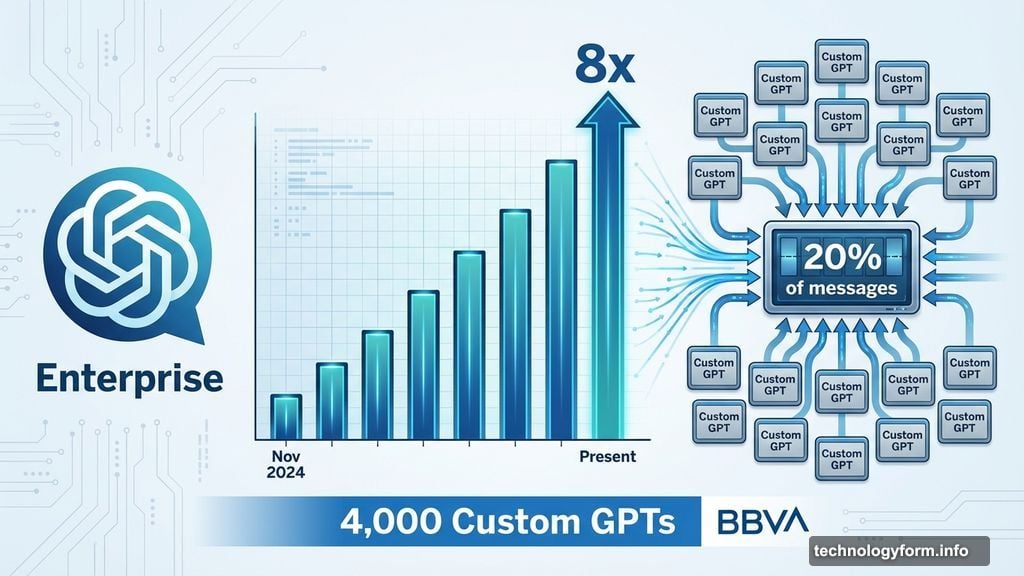
ChatGPT Enterprise message volume grew 8x since November 2024. That’s substantial growth by any measure.
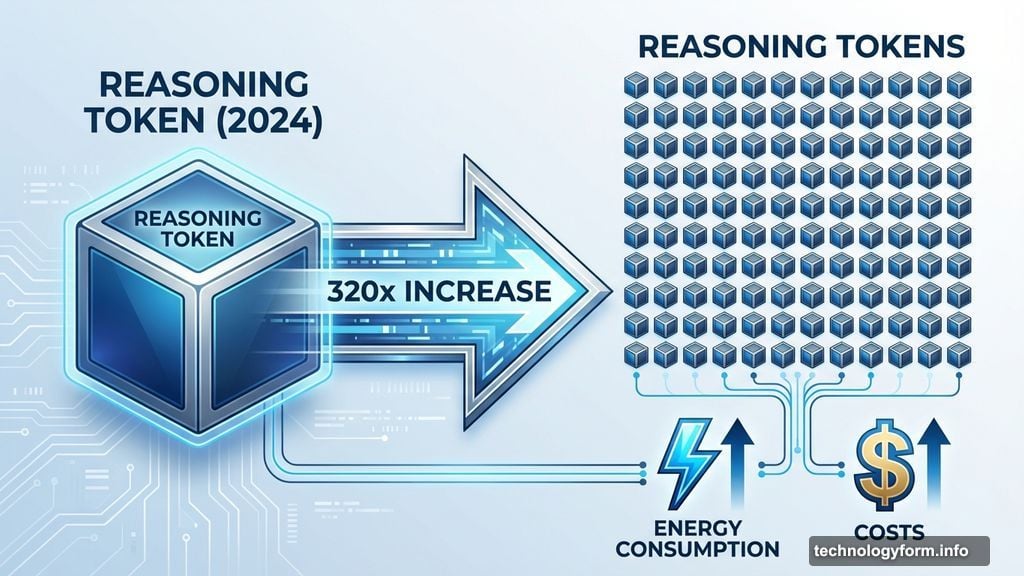
Plus, API usage tells a bigger story. Companies consume 320 times more “reasoning tokens” compared to last year. These tokens power complex problem-solving tasks, suggesting deeper AI integration into business workflows.
Custom GPTs exploded 19x this year. These specialized tools now handle 20% of enterprise messages. Digital bank BBVA reportedly uses over 4,000 custom GPTs regularly.

Meanwhile, 36% of U.S. businesses use ChatGPT Enterprise versus 14.3% for Anthropic, according to Ramp AI Index. OpenAI clearly leads in market share among AI providers.
The Reality Behind Rising Token Usage
Here’s what OpenAI won’t emphasize. Those 320x more reasoning tokens mean 320x more energy consumption and costs.
Companies might be experimenting heavily without achieving real long-term value. Burning through tokens during the honeymoon phase differs from sustainable adoption.
Moreover, energy-intensive AI operations get expensive fast. Can enterprises maintain this usage rate when budgets tighten? OpenAI hasn’t addressed these sustainability concerns publicly.
Heavy token consumption could be exploratory waste rather than productive work. Time will tell which scenario dominates.
Workers Save Time But Questions Remain
Enterprise workers report saving 40-60 minutes daily with OpenAI tools. That sounds great until you examine what’s missing.
Those time savings don’t account for learning curves, prompt engineering, or correcting AI mistakes. Plus, three-quarters say AI enables tasks they couldn’t do before, including technical work outside their expertise.
But democratizing coding access has downsides. Non-engineers writing more code means more security vulnerabilities and bugs. OpenAI pointed to its Aardvark security tool as a solution, but it’s still in private beta.
The company reported 36% more coding messages from non-technical teams. So potential problems are scaling alongside productivity gains.
Most Users Ignore Advanced Features
Even the most active enterprise users aren’t touching advanced tools like data analysis, reasoning, or search capabilities.
Brad Lightcap, OpenAI’s COO, explained this requires mindset shifts and deeper integration with company data. Fair enough. But it also suggests enterprises aren’t extracting full value from their investments yet.
Organizations treat AI like simple software rather than an operating system. Some companies fully embrace AI transformation while others barely scratch the surface.
OpenAI calls this gap between “frontier” and “laggard” workers an opportunity. Workers training AI to replace them might see it differently.
The Competitive Pressure Is Real
Altman’s “code red” memo about Google arrived just before these numbers dropped. That timing isn’t coincidental.
Most of OpenAI’s revenue still comes from consumer subscriptions. Google’s Gemini threatens that base directly. Meanwhile, Anthropic generates most revenue from B2B sales, and open-weight models keep gaining enterprise traction.
OpenAI committed $1.4 trillion to infrastructure over the next few years. Enterprise growth isn’t optional anymore. It’s survival.
So these enterprise numbers serve a purpose beyond transparency. They’re ammunition in the battle for AI dominance.
What This Means for Enterprises
Companies are clearly integrating AI deeper into workflows. Custom tools spread across organizations. Usage metrics keep climbing.
But smart enterprises should ask harder questions. Are we burning tokens experimentally or creating lasting value? Do productivity gains justify energy costs and potential security risks? Are we training AI to automate our own jobs?
OpenAI wants enterprises to see lagging adoption as an opportunity. Fair enough. But catching up means racing toward a future where human workers become less essential.
Choose your AI strategy carefully. The numbers look impressive. The long-term implications remain unclear. And the competitive landscape changes weekly as tech giants fight for dominance.