That Viral Food Delivery Scandal? Totally Fake. AI Made It All Up
A supposed whistleblower post about food delivery fraud fooled millions on Reddit. Then journalists discovered it was entirely AI-generated.
The post had everything. An angry employee. Corporate malfeasance. Stolen wages. Public Wi-Fi at a library. Even an 18-page internal document exposing the company’s algorithm.
None of it was real.
How One Fake Post Fooled Millions
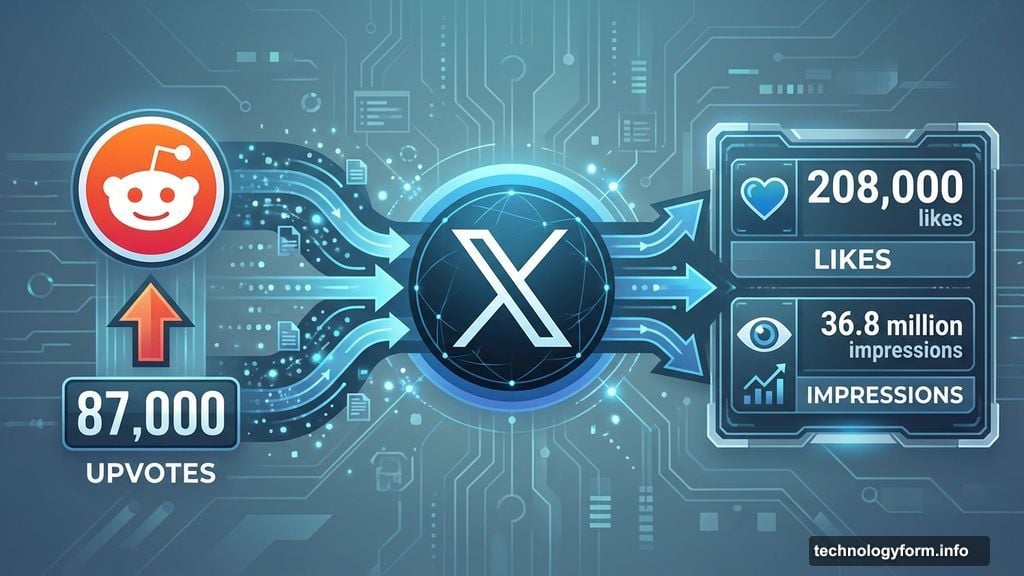
The Reddit user claimed to work for a major food delivery app. His confession went viral fast. Over 87,000 upvotes on Reddit. Crossposted to X where it got 208,000 likes and 36.8 million impressions.
People wanted to believe it. And why wouldn’t they? DoorDash actually did steal tips from drivers. That lawsuit ended with a $16.75 million settlement. So a story about algorithmic exploitation felt entirely plausible.
But this particular scandal was fabricated. The supposed whistleblower had used AI to generate the entire narrative.
The Evidence Seemed Solid
Casey Newton from Platformer investigated the claims. The Redditor contacted him on Signal. He shared what looked like proof.
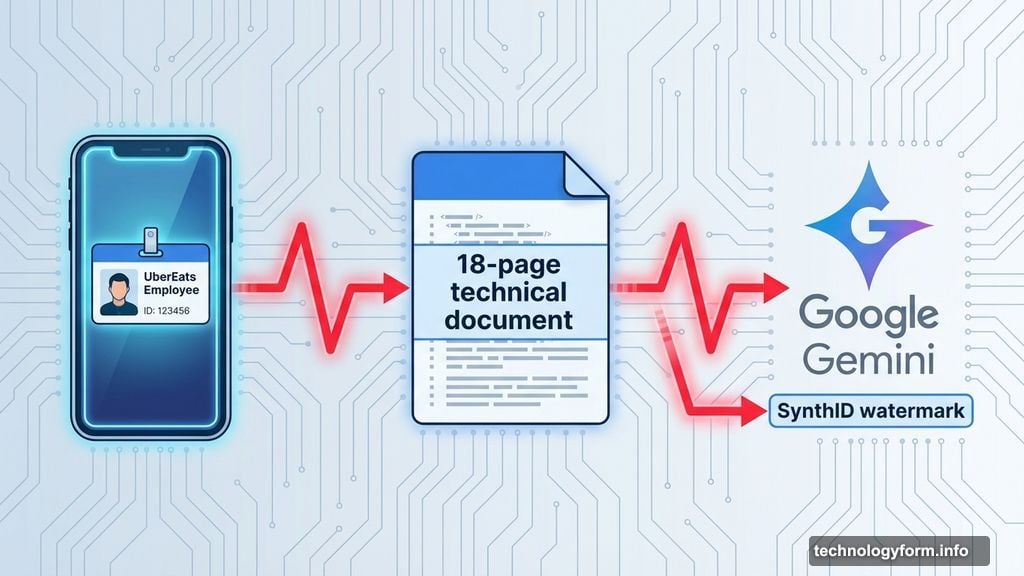
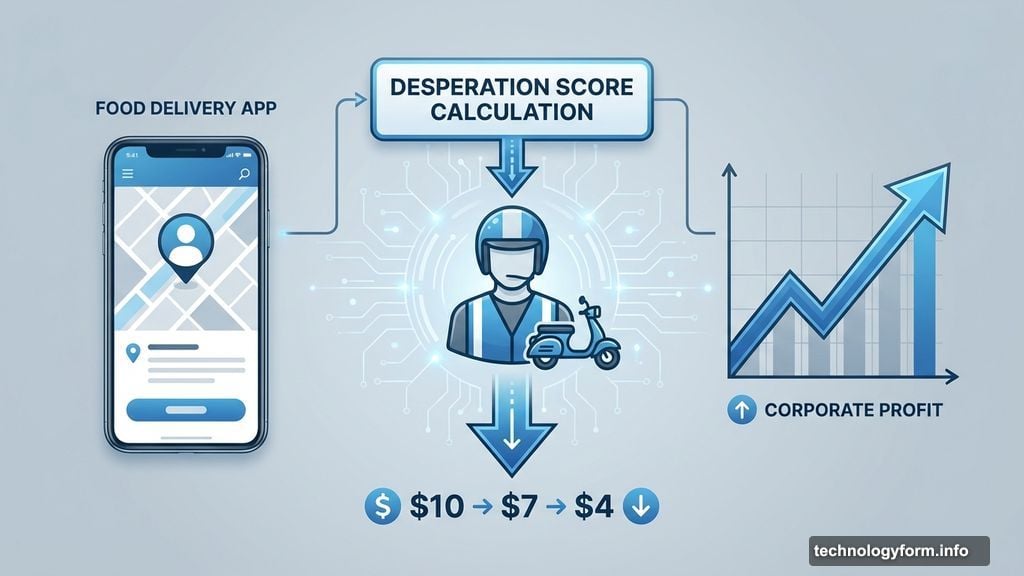
First, a photo of his UberEats employee badge. Then an 18-page technical document. The file detailed how the company used AI to calculate each driver’s “desperation score” to maximize profit extraction.
For years, documents like that meant legitimacy. Who would spend hours creating fake technical specifications just to troll a journalist? Who would bother making a convincing employee badge?
Turns out, AI makes that trivial now.
Google’s Watermark Exposed the Hoax
Newton grew suspicious during verification. Something felt off about the details. So he tested the badge photo using Google’s Gemini.
The AI detection tool caught Google’s SynthID watermark. That watermark persists through cropping, compression, and filtering. It proved the image was AI-generated.
The 18-page document? Also synthetic. The desperate library employee typing on public Wi-Fi? Fiction.
Modern AI tools can generate convincing forgeries in minutes. Badge photos. Technical documents. Corporate jargon. All of it looks real enough to fool experienced journalists.
AI Slop Is Drowning the Internet
Max Spero runs Pangram Labs, which makes tools to detect AI-generated text. He told TechCrunch the problem keeps getting worse.
Companies now pay for “organic engagement” on Reddit. That means AI-generated viral posts mentioning brand names. The goal is manufactured authenticity at scale.
Plus, bad actors can now create elaborate hoaxes without technical skills. Generate a fake whistleblower story. Add synthetic documents. Create a convincing social media persona. Watch it spread.
Detection tools help. But they’re not reliable enough. Especially for multimedia content mixing real and fake elements. By the time something gets debunked, millions have already seen it.
When Everything Might Be Fake
Here’s the wild part. Newton wasn’t even covering the only viral AI food delivery hoax that weekend. Another one circulated simultaneously.
We’re now scrolling social media like detectives. Every post requires skepticism. Every document needs verification. Every image could be synthetic.
That Reddit whistleblower seemed credible because the story matched our expectations. Corporate exploitation exists. Wage theft happens. Algorithmic manipulation is real. So why wouldn’t this specific case be true?
Because AI makes lying easier than ever. And distinguishing truth from fiction now requires tools most people don’t have.
The Bigger Problem Nobody’s Solving
This hoax worked because of three factors. First, AI generation quality improved dramatically. Second, verification tools still lag behind. Third, social platforms prioritize engagement over accuracy.
That combination creates a perfect storm. Synthetic content spreads faster than fact-checking can debunk it. Once something goes viral, corrections rarely catch up. The fake story already shaped millions of opinions.
Moreover, platforms have little incentive to slow viral content. Their business models depend on engagement. A fake whistleblower post generates massive traffic. Stopping it means losing revenue.
So we’re stuck in a system where lies spread at the speed of AI while truth moves at the speed of human verification.
The food delivery hoax exposed something troubling. Not that people lie online. That’s always been true. But that AI now makes elaborate deception accessible to anyone with an internet connection.
You can’t trust viral posts anymore. You can’t assume documents are real. You can’t take employee badges at face value. Everything requires verification. And most of us lack the tools or expertise to do that properly.
Welcome to the internet where nothing is real and everything might be fake.