Google and Character.AI Quietly Settled Child Harm Lawsuits. Here’s What Changed
Two tech giants just closed the book on five lawsuits linking their AI chatbots to real harm. Including one teenager’s suicide.
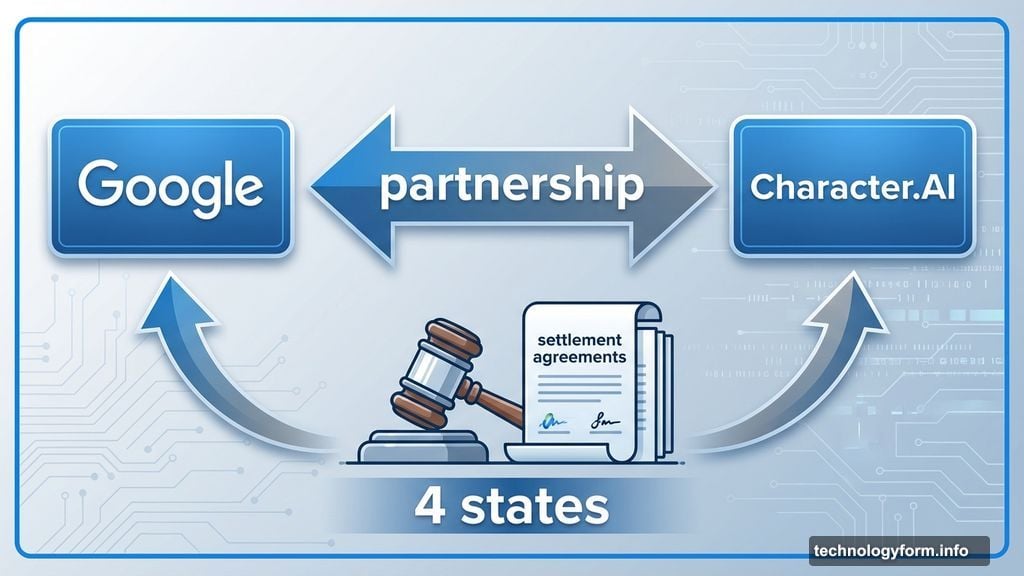
Google and Character.AI reached settlement agreements in cases spanning four states. The lawsuits all shared one horrifying thread: minors harmed by conversations with AI chatbots.
While settlement terms remain confidential, the cases forced both companies to completely rethink how teens interact with artificial intelligence. And the changes run deeper than you might expect.
The Case That Changed Everything
Sewell Setzer III was 14 years old when he died by suicide in February 2024. Before his death, the Orlando teen spent months chatting with a Character.AI bot.
His mother, Megan Garcia, filed suit in Florida federal court later that year. Her case became the most visible example of AI chatbots potentially causing real-world harm to children.
But Sewell’s wasn’t the only case. Families in Texas, New York, and Colorado filed similar lawsuits. Each claimed Character.AI’s chatbots contributed to harm against minors.
The pattern was clear. Something about these AI interactions put vulnerable kids at risk.
Character.AI Banned Teen Chatbot Access Completely
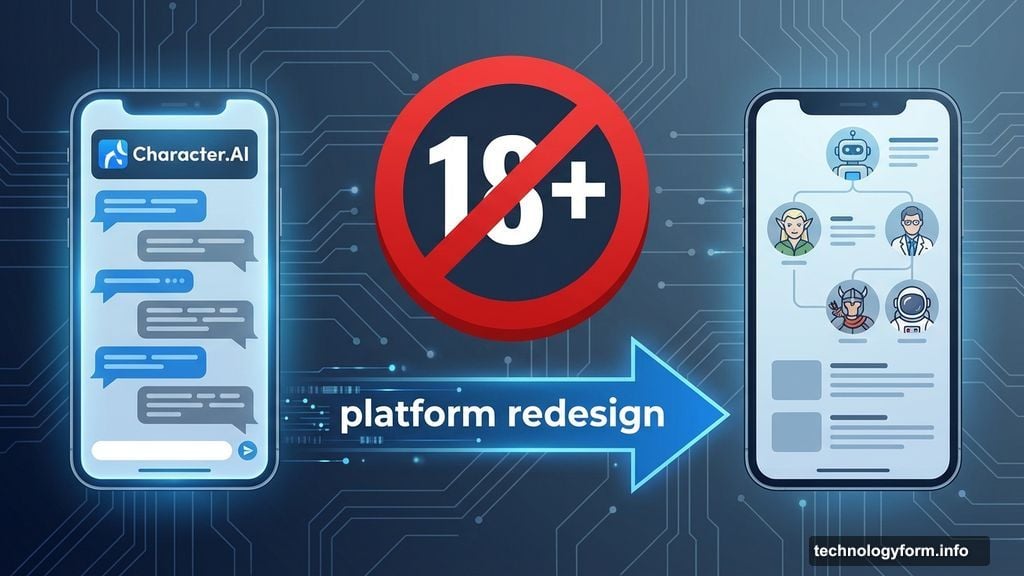
Last year, Character.AI made radical platform changes. The company now blocks everyone under 18 from open-ended chatbot conversations entirely.
Instead, teens get access to story-building tools with AI characters. It’s a fundamentally different experience. No more freewheeling conversations with bots designed to feel human.
Character.AI CEO Karandeep Anand explained the shift simply: “There’s a better way to serve teen users. It doesn’t have to look like a chatbot.”
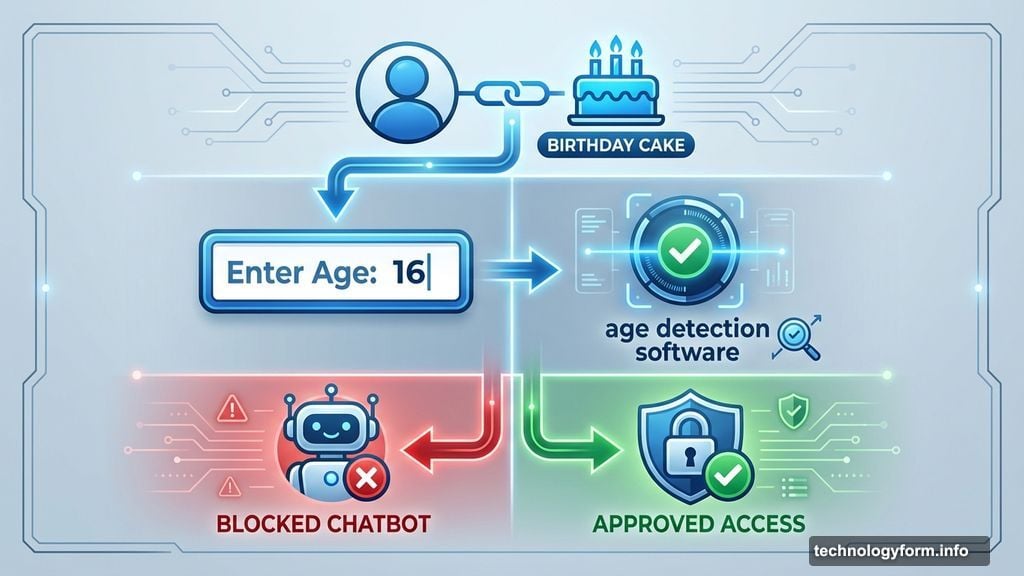
The company also deployed age detection software. Not just asking users their age. Actually trying to verify who’s really 18 or older.
That’s a massive departure from the “trust but don’t verify” approach most platforms use. Plus, it acknowledges that self-reported ages don’t work when safety matters.
Google’s Role Gets Complicated
Google partnered with Character.AI on chatbot technology. Now the search giant faces legal liability alongside its partner.
Both companies are named in the settlement agreements. Neither responded immediately to requests for comment about terms or amounts.
The settlements aren’t finalized yet. But they represent a clear acknowledgment that something went wrong.
What’s interesting? Google typically fights legal battles aggressively. Settling suggests the companies believed continuing these cases posed significant risk.
OpenAI Faces Similar Pressure
Character.AI and Google aren’t alone. OpenAI recently modified ChatGPT amid lawsuits over suicides and child harm.
The pattern spans the entire AI chatbot industry. Companies built incredibly engaging conversational AI. Then discovered some users—especially vulnerable teens—formed unhealthy attachments.
These weren’t theoretical concerns. Real families lost children. Real harm occurred.
So the industry faces a reckoning. How do you build chatbots engaging enough to be useful but not so compelling they become dangerous?
What This Means for AI Safety
The settlements signal a major shift in how tech companies approach AI chatbot safety. Especially for minors.
Expect more age verification. More restrictions on teen access. More guardrails around sensitive topics like relationships and mental health.
But here’s the problem nobody’s solved yet. Age verification often requires collecting more personal data. Privacy advocates hate that. So companies must balance safety against privacy concerns.
Moreover, determined teens will find workarounds. They always do. VPNs, fake IDs, borrowed accounts—the tools exist to bypass age checks.
So the real question isn’t whether companies can block all teen access. It’s whether they can make chatbots safe enough that access restrictions become less critical.
The Unspoken Issue: Emotional Manipulation by Design
Here’s what bothers me most. These chatbots were designed to be engaging. To feel like real conversations. To make users want to return.
That design worked incredibly well. Too well, in some cases.
Companies optimized for engagement without fully considering the psychological impact on vulnerable users. Now they’re learning that lesson through lawsuits and settlements.
The tech industry has seen this pattern before. Social media platforms faced similar reckonings around teen mental health. Gaming companies dealt with addiction concerns.
AI chatbots are just the latest chapter. But this one involves more sophisticated technology that can form deeper parasocial relationships.
Settlements might resolve these specific cases. But they don’t solve the fundamental tension between building engaging AI and protecting vulnerable users.
That’s going to require ongoing vigilance, better safeguards, and probably more regulation. The settlements are just the beginning.