Anthropic Just Ended Claude’s Unlimited AI Agent Access. Here’s the Fallout.
The all-you-can-eat era of AI agent usage is officially over. And if you’ve been running third-party tools like OpenClaw through Claude, your workflow just got more expensive.
Anthropic quietly rolled out a major policy shift over the weekend. Heavy users relying on Claude to power autonomous AI agents now face extra charges, separate from their existing monthly subscription. It’s a move that’s already sparking controversy — and it probably won’t be the last change like this.
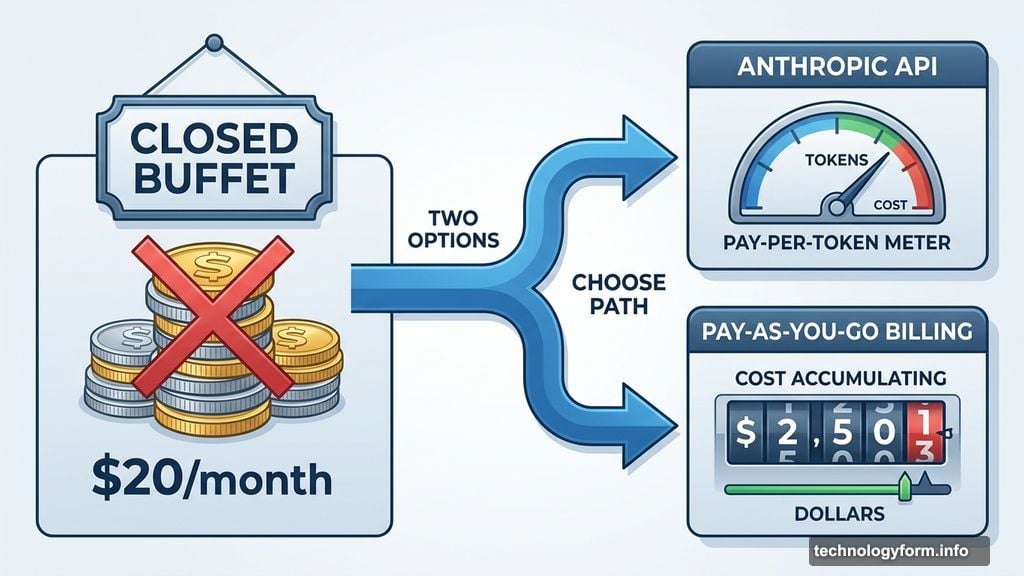
The $20 Buffet Is Closed
Anthropic’s monthly subscribers can still access Claude models — Opus, Sonnet, and Haiku — through third-party agent platforms. But if you’re running those agents heavily, you now need to pay through Anthropic’s API or use a separate pay-as-you-go billing option.
AI product manager Aakash Gupta summed it up perfectly on X: “The $20/month all-you-can-eat buffet just closed.”
That’s a pretty accurate description. Claude was never designed to serve millions of autonomous AI agents running nonstop workflows. It was built to respond to humans having conversations. So the cost math was always going to catch up eventually.
Why Agentic AI Workflows Drain Resources Fast
Here’s the core problem. Tools like OpenClaw and Manis are genuinely powerful. They can run for hours, interact across apps like Gmail, Slack, and iMessage, and complete complex multi-step tasks without any human input.
That’s impressive. But it burns through tokens at a much faster rate than someone simply chatting with a bot. And tokens cost money to process.
Anthropic has already been managing the pressure. Earlier, the company introduced a five-hour session cap during peak periods to limit strain on its systems. Now it’s pushing compute costs more directly onto the heaviest users.
“We’ve been working to manage demand across the board, but these tools put an outsized strain on our systems,” Anthropic wrote in an email to customers.
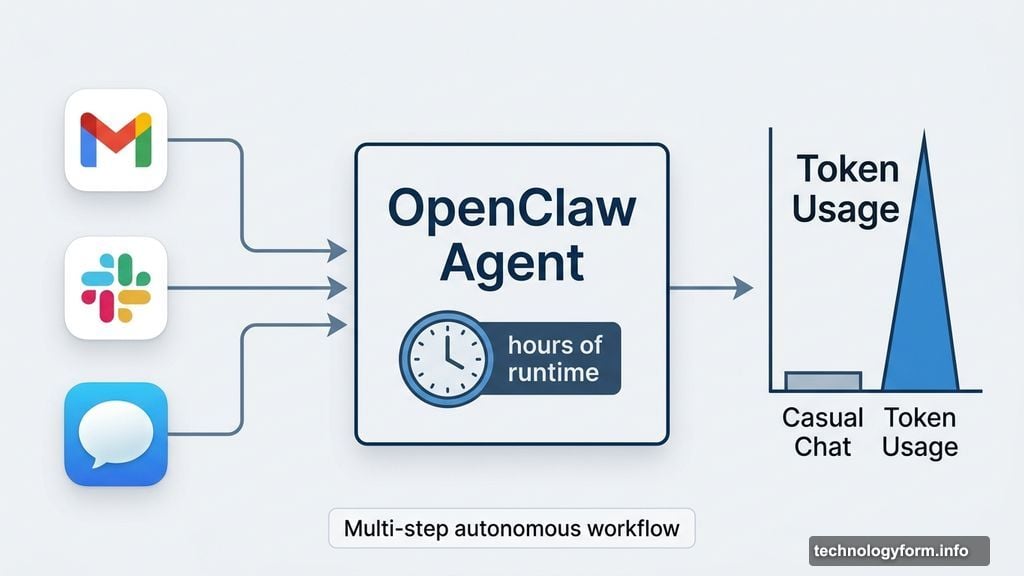
That’s honest, at least. Running massive autonomous AI agent workflows on infrastructure priced for casual use was never sustainable.
OpenClaw’s Creator Has Thoughts
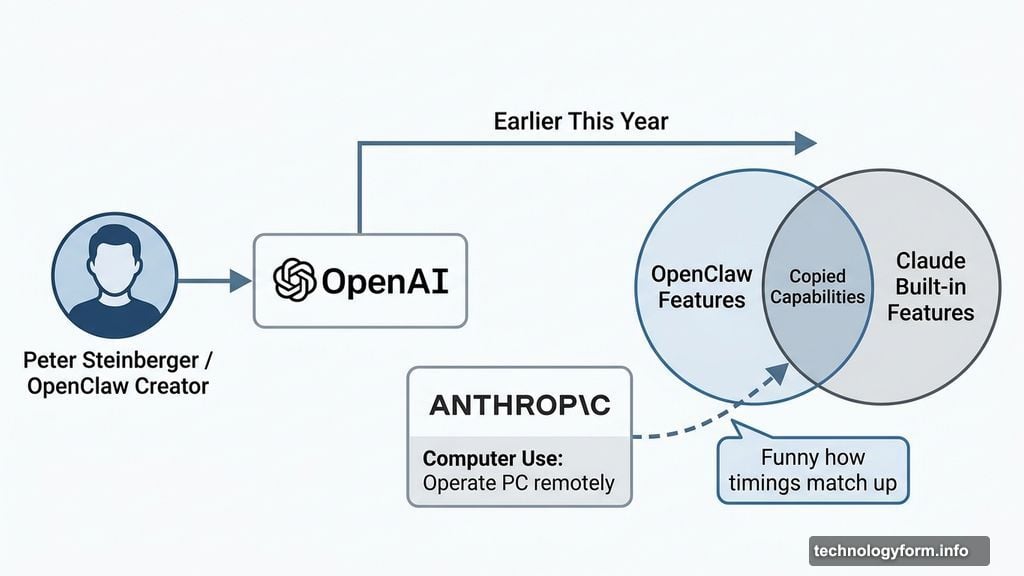
The timing of this policy change didn’t go unnoticed. Anthropic recently announced new computer use features that bring some of OpenClaw’s most popular capabilities directly into Claude itself. Claude can now operate your computer even when you’re not sitting in front of it.
Meanwhile, OpenAI hired Peter Steinberger — the developer who created OpenClaw — earlier this year, with a goal of bringing AI agents to a much wider audience.
Steinberger wasn’t quiet about Anthropic’s new policy. “Funny how timings match up,” he wrote on X. “First they copy some popular features into their closed harness, then they lock out open source.”
It’s a pointed critique. Whether you read it as a competitive move or simple cost management depends on your perspective.
This Is Just the Beginning
Friction between AI labs and heavy agent users isn’t going away. If anything, it’s going to intensify as agentic AI tools become more capable and more widely used.
Think about what these tools can actually do today. They run autonomously for hours. They navigate multiple apps simultaneously. They complete workflows that would take a human significantly longer. That kind of compute power has a real price tag, and AI companies are increasingly unwilling to absorb it inside flat subscription fees.
Anthropic isn’t alone here. The whole industry is figuring out how to price agentic compute fairly without alienating the power users who push these platforms forward. It’s a genuinely hard problem.
For now, if you’re building workflows around Claude-powered agents, expect costs to rise. Budget for API usage separately from your subscription. And keep an eye on how OpenAI responds — given their investment in Steinberger and their enthusiasm for agentic tools, their approach to pricing this kind of usage will be worth watching closely.
The age of unlimited AI agent access was fun while it lasted. Just not sustainable.