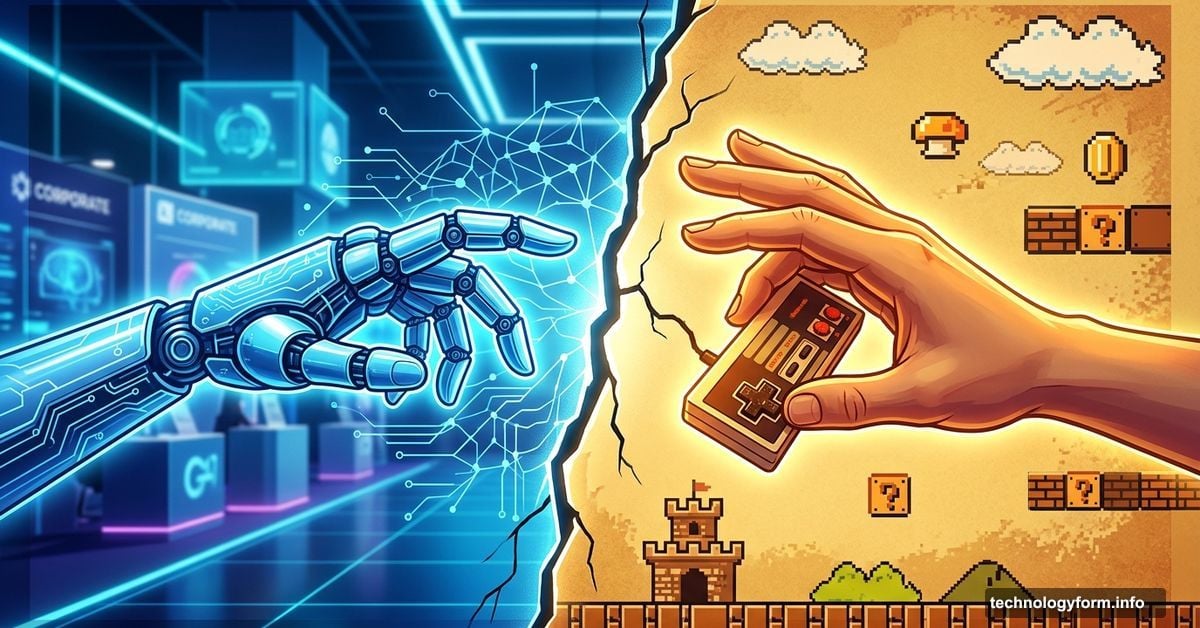
AI Flooded GDC 2026 — But Game Developers Want Nothing to Do With It
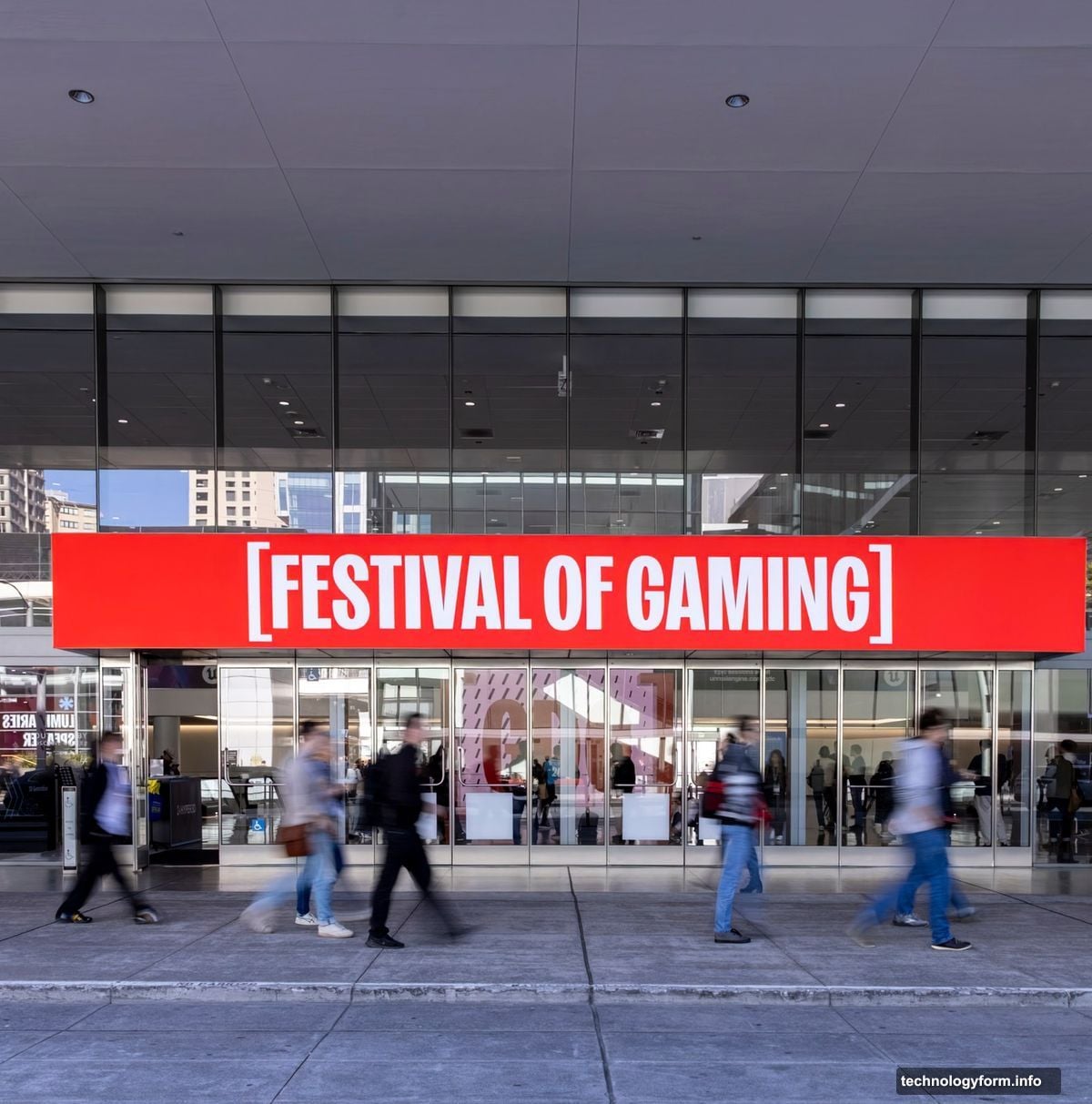
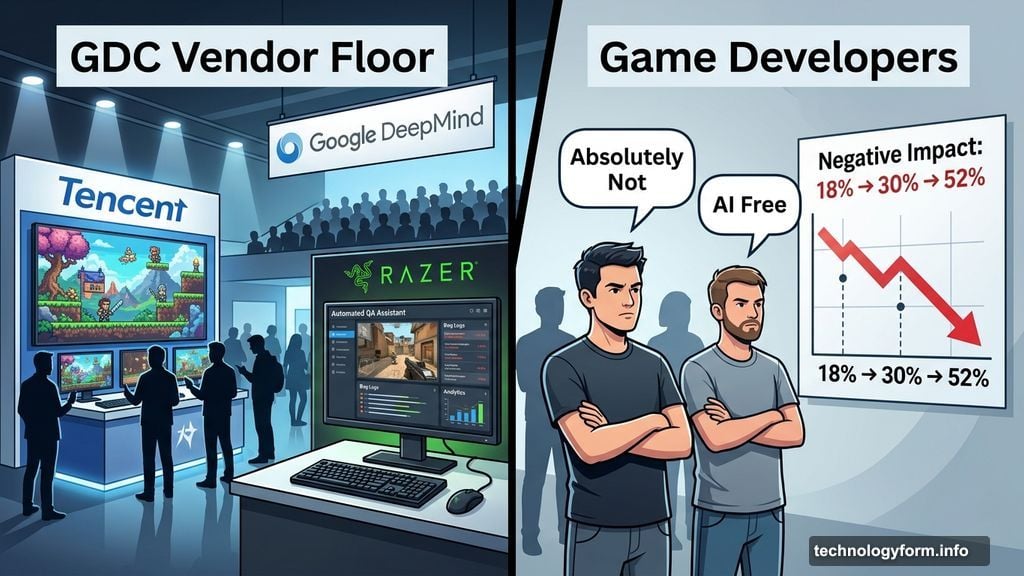
Walk the floor at this year’s GDC Festival of Gaming and AI is impossible to miss. Vendors pitch generative AI tools at every turn. Tencent demos a pixel-art fantasy world built entirely by its AI systems. Razer shows off an automated QA assistant that logs bugs in a shooter without a human touching a keyboard. Google DeepMind researchers pack a standing-room-only session about playable AI-generated spaces.
But talk to the people actually making games? The mood flips completely.
Of the many developers reporter Jay Peters spoke with at GDC, nearly every single one rejected the idea of using generative AI in their own work. The divide between what vendors are selling and what developers want to build couldn’t be sharper.
“The Human Mind Is So Beautiful”
Gabriel Paquette, developer of The Melty Way, put it simply. “I feel like the human mind is so beautiful. Why not use it?”
That kind of thinking runs deep at GDC this year. Most developers Peters spoke with were indie creators, and almost all of them pushed back hard against generative AI. Many said they’d never use it because it strips away the human element that makes games worth playing.
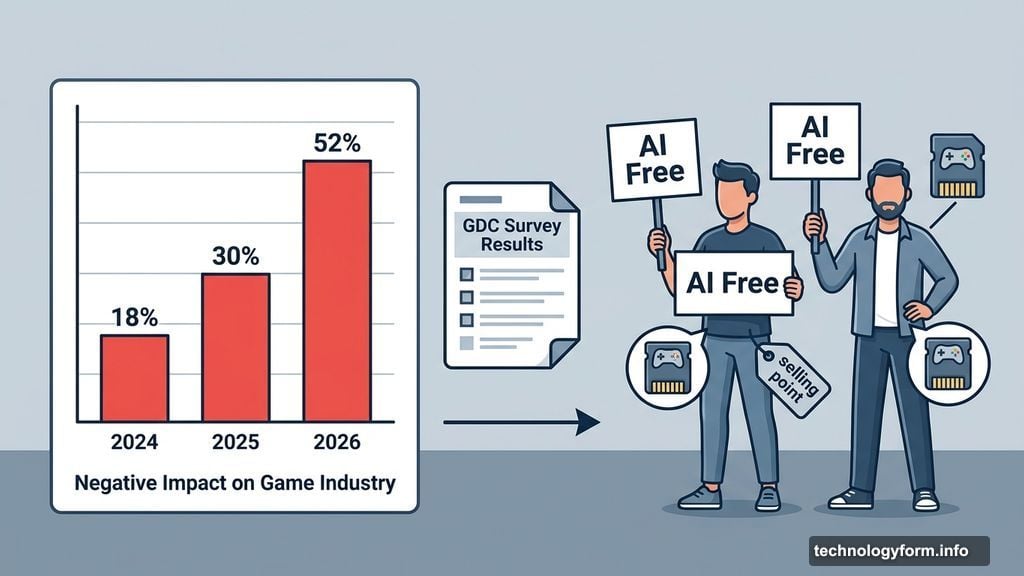
The numbers back them up. A recent GDC survey found that 52 percent of respondents believe generative AI is having a negative impact on the game industry. That’s a significant jump from 30 percent in 2025 and just 18 percent in 2024. Sentiment is moving fast — and not in AI’s favor.
Some indie developers now actively market their games as “AI free,” treating it as a selling point rather than an afterthought.
“Absolutely Not” — Publishers Draw Hard Lines
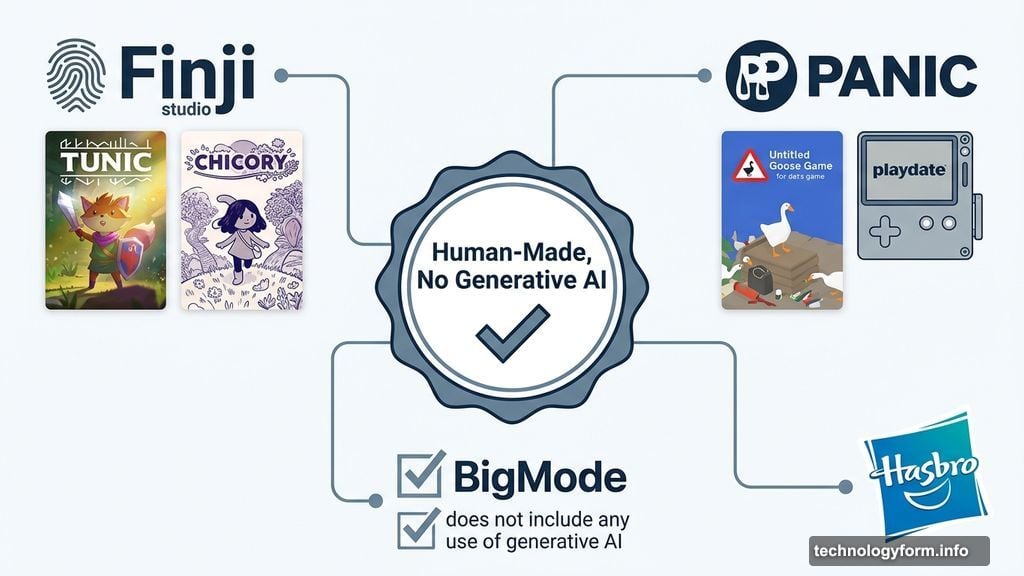
Adam and Rebekah Saltsman, cofounders of indie studio and publisher Finji — the team behind beloved titles like Tunic and Chicory: A Colorful Life — describe their work as carrying “a specific person or persons’ fingerprints.” That handmade quality, the element of surprise that comes from a human mind at work, is central to what Finji creates.
When asked directly about generative AI in their games, Adam didn’t hesitate. “Absolutely not.”
Finji isn’t alone. Panic, the publisher behind Untitled Goose Game and creator of the Playdate handheld, has zero interest in generative AI-created products, cofounder Cabel Sasser told The Verge. BigMode, the publishing company launched by popular creator Jason Gastrow (known online as videogamedunkey), goes a step further. Developers applying to BigMode must check a box confirming their game “is human-made and does not include any use of generative AI.” Even Hasbro, now building its own video games, confirmed it isn’t using AI in its development pipelines.
These aren’t small players hedging their bets. They’re drawing clear lines.

Generative AI Games Just Don’t Feel Right
Beyond the philosophy, developers raise a practical point. AI-made games simply don’t connect with players the way human-made games do.
Abby Howard from Black Tabby Games, the studio behind Slay the Princess, says audiences don’t connect with generative AI content. “I think it’s generic, I think it makes it feel cheap.” Rebekah Saltsman is even more direct: generative AI “just looks like crap.”
Matthew Jackson, working on comedy game My Arms Are Longer Now, adds another layer. For humor-driven games especially, the technology falls flat. “AI is so not funny,” he says.
There’s also a legal dimension that makes selling AI-generated games genuinely tricky. The Saltsmans point out that no clear legal framework exists for commercially releasing generative AI output. That concern gets sharper when you factor in that AI-generated art currently can’t be copyrighted — meaning creators could lose intellectual property protections entirely.
Nvidia’s DLSS 5 didn’t help matters. The publicly shown examples added AI-generated faces to recognizable game characters, producing what many described as “AI slop.” Smaller developers watching that reaction aren’t exactly rushing toward adoption.
Craft Is the Whole Point
The argument developers return to most often isn’t about aesthetics or legal risk. It’s about craft itself.
“The only way to get better at things is through the intense concentration of a career of applied craft,” says Black Tabby Games’ Tony Howard-Arias. Adam Saltsman argues that writing code is one of those disciplines — like visual art — that directly shapes game design. He makes a point worth sitting with: “Things that are really hard to program are often really hard for a player to understand, too.” Good craft, in other words, produces good games.
Alex Schleifer, cofounder of Human Computer (the studio behind Ballgame), puts it another way. The process of making games is just fun. And from that process, “you’re also going to come to better ideas.”
There’s also a bigger-picture concern about what happens when AI tools replace junior roles. Tony flags the talent pipeline problem directly. If studios replace entry-level humans with AI tools, “where do you get new talent in the future?” The game industry is already dealing with significant layoffs. Narrowing the path for new developers further could have consequences for years.
The Optimists — and Where AI Might Actually Fit
Not everyone at GDC is completely closed off to the technology’s future. Some developers acknowledge that generative AI tools could eventually become useful in development pipelines, even if they’re not ready today.
The film and TV industry offers one possible parallel. Studios there are quietly building bespoke AI models to assist with specific production tasks — not to replace creative work, but to handle narrow, repeatable jobs. Something similar might emerge for game development eventually.
Google Cloud executive Jack Buser, who helped launch Google Stadia and worked on PlayStation Now and PlayStation Home at Sony, calls generative AI “the largest transformation in the games industry I have ever witnessed in my nearly 30-year career.” The optimistic case for the technology argues developers could use it for debugging, QA, and ideation, while players might use it to personalize their experiences.
But for Gabriel Paquette, the theoretical future doesn’t change the present. Maybe AI becomes more accepted someday. For now, he prefers 100 percent handcrafted work. “That’s something dear to me.”
Rebekah Saltsman captures why these developers care so deeply. When you launch a game, a person you’ll never meet — somewhere in the world — picks it up and plays something you spent thousands of hours building for them. Caring about that connection, she says, is “why we do this.”
That kind of relationship between maker and player is hard to automate. And right now, most developers building the games people love have no intention of trying.