AI Hype Needs a Reality Check. Here’s What They’re Not Telling You
We’re drowning in AI marketing. Celebrities hawk chatbots during the Super Bowl. Tech executives promise revolution. Influencers pocket six figures to promote tools they barely understand.
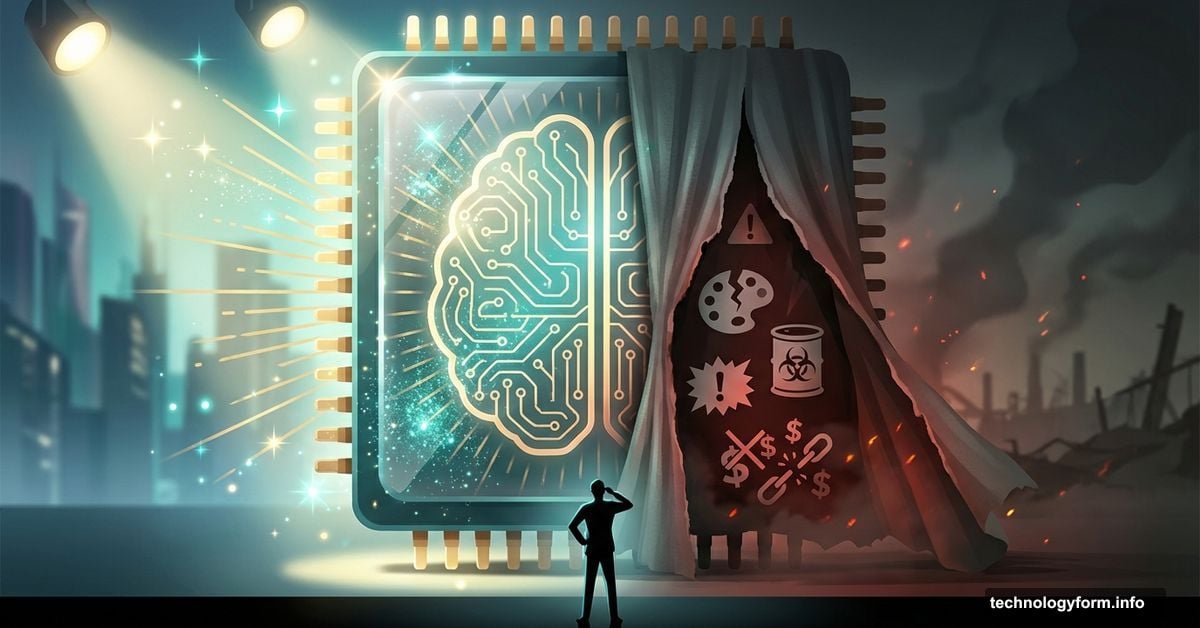
But here’s what nobody mentions during those polished presentations: the massive environmental cost, the hallucinations that spread misinformation, and the artists whose work gets stolen to train these models.
After watching yet another one-sided AI pitch at a museum lecture last week, I realized we have a serious problem. The people shaping public understanding of AI are selling us a fantasy while hiding the real costs.
The Laundry-Folding Robot That Can’t Actually Fold Laundry
Picture this scene from a recent tech lecture. The speaker shows a video of LG’s new laundry-folding robot. The crowd gasps with excitement.
“Who wants this robot?” the speaker shouts. Hands shoot up across the room.
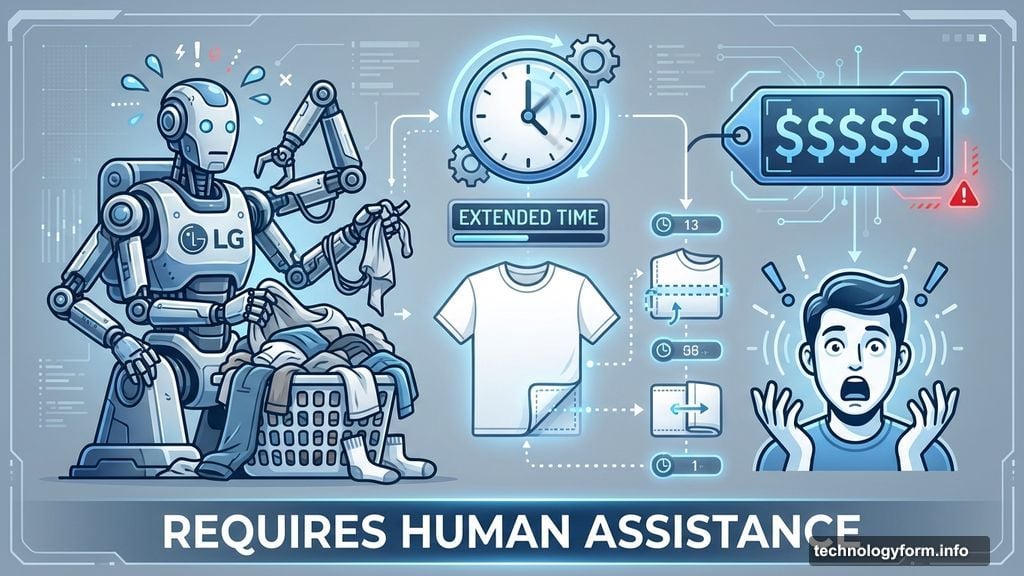
What they didn’t mention? That robot takes forever to fold a single uniform T-shirt. Plus, it needs human help to reach into the hamper. And the price tag would make your eyes water.
This happens constantly with AI demonstrations. We see carefully curated videos of technology “working” while conveniently ignoring every limitation, failure, and real-world complication.
The Risks They Keep Forgetting to Mention
When celebrities and tech experts hype AI, certain details mysteriously vanish from the conversation.
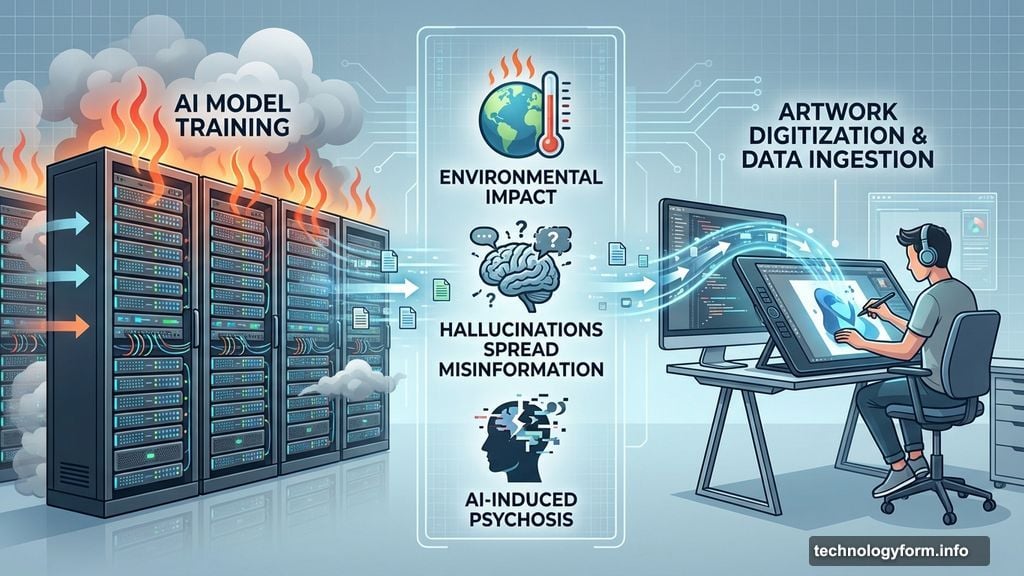
Nobody talks about the devastating environmental impact of training these massive models. They skip over how chatbots confidently make things up and present fiction as fact. And they definitely don’t mention the rising incidents of AI-induced psychosis when people form unhealthy attachments to chatbots.
Instead, we get glossy Super Bowl ads featuring Chris Hemsworth promoting Amazon’s Alexa Plus. We see influencers taking $600,000 checks from Microsoft to post about Copilot. And we watch the NFL partner with AI companies during the biggest sporting event in America.
Meanwhile, the actual consequences pile up for regular people who trust these carefully crafted messages.
We’ve Seen This Playbook Before
This pattern isn’t new. In fact, it’s getting depressingly predictable.
Remember when celebrities lined up to promote sports betting apps after 2018? Now we’re facing rising rates of gambling addiction and financial ruin among their followers.
Or take the 2021 crypto boom. Matt Damon told us “fortune favors the brave” in that infamous Crypto.com Super Bowl ad. Kim Kardashian promoted crypto tokens without disclosing her payment, eventually settling with the SEC for $1.26 million in penalties.
Those crashes left regular people holding worthless assets while celebrities walked away with their paychecks intact.
But AI’s risks go deeper than financial loss. We’re talking about widespread job displacement, the erosion of creative industries, and misinformation spreading at unprecedented scale.
Some Artists Actually Tell the Truth
Guillermo del Toro didn’t mince words when AI models trained on his distinctive visual style went viral. He called it theft.
And he’s right. These models train on artists’ work without permission, compensation, or respect for copyright laws. Yet tech executives dismiss these concerns as modern Luddism.
Other artists have been equally direct about the threat AI poses to their livelihoods and craft. Meanwhile, the hype machine keeps rolling, drowning out their warnings with promises of innovation and progress.
The Responsibility Nobody Wants to Talk About
Look, I generally don’t think celebrities should be role models. But many people trust them anyway. They assume someone with credentials or fame wouldn’t enthusiastically promote something dangerous or misleading.
That trust comes with responsibility. If you’re going to take massive checks to promote AI tools to millions of people, you have an obligation to present the full picture.
Talk about the limitations. Mention the jobs being eliminated. Acknowledge the artists whose work gets scraped without consent. Explain the staggering energy consumption. Disclose when you’re paid to say what you’re saying.
This doesn’t mean ignoring AI’s genuine potential. It has real applications in drug discovery, disease outcomes, and solving complex problems. But framing it as pure progress while hiding every downside is either ignorant or deceptive.
What AI Actually Is Versus What They Sell You
Here’s the fundamental difference people need to understand. Surrealism, which emerged after World War I, was revolutionary and disruptive. But it was intentional and deeply human, rooted in our minds, expressions, and emotions.
Generative AI is machine-driven pattern recognition. That’s it. Not creativity. Not consciousness. Just statistical predictions based on training data.
Surrealists defied conventions to reach ultimate truth and authenticity. AI companies defy transparency to maximize profits and market share.
The Conversation Is Happening Without Us
The AI revolution is moving fast. Companies are deploying these tools across industries before we’ve had time to understand the implications or establish reasonable guardrails.
So the absolute least we can demand is honesty from the people leading this conversation. No more carefully edited demos that hide failures. No more celebrity endorsements that gloss over risks. No more tech executives dismissing legitimate concerns as fear-mongering.
We deserve the truth about what we’re getting into. Not just the shiny marketing pitch that serves a select few’s interests.
The next time someone stands in front of an audience hyping AI as inevitable progress, ask them about the parts they’re not mentioning. Push back on the one-sided narrative. Demand the full picture.
Because right now, we’re being sold a future that doesn’t exist while the real costs get quietly shifted onto everyone else.