Microsoft Just Gave Azure Users Access to Claude AI. Amazon’s Still the Primary Partner
Microsoft dropped something interesting today. Azure customers can now tap into Anthropic’s Claude models through Microsoft Foundry.
But here’s the twist. Despite this new partnership, Amazon remains Anthropic’s main cloud provider. So what’s actually happening here? Let’s break down this multi-billion dollar deal and what it means for enterprise AI.
The Deal Nobody Saw Coming
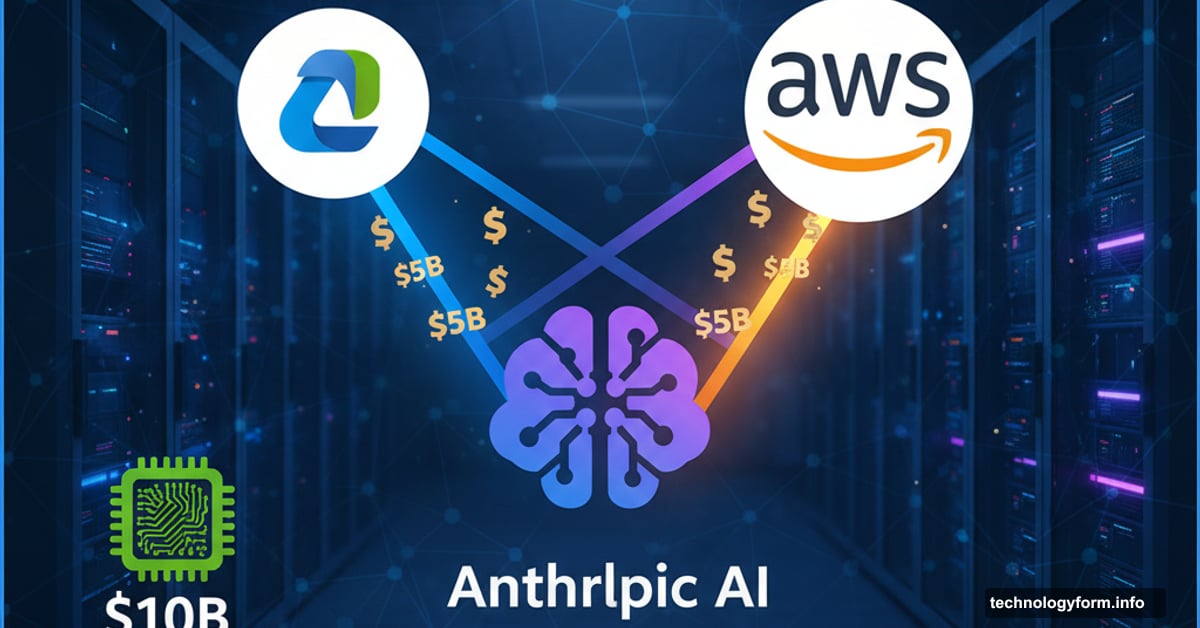
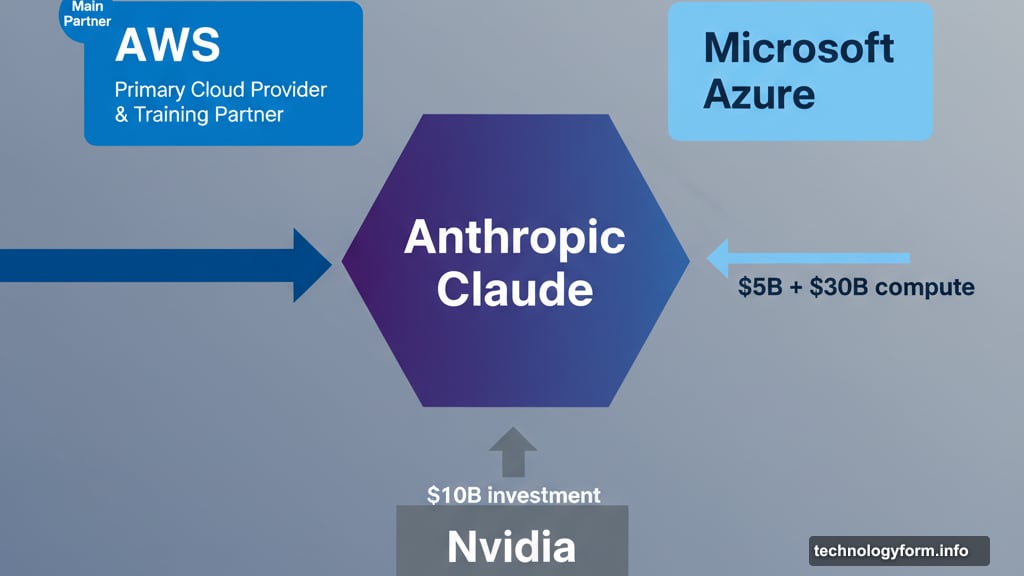
Microsoft isn’t just adding Claude to Azure. They’re investing $5 billion in Anthropic while Nvidia throws in another $10 billion.
Plus, Anthropic committed to buying $30 billion worth of Azure compute capacity. That’s serious money. They’re also eyeing up to one gigawatt of additional capacity down the line.
For context, one gigawatt powers a lot of AI training. We’re talking massive infrastructure commitments that shape the industry for years.
What Azure Customers Actually Get
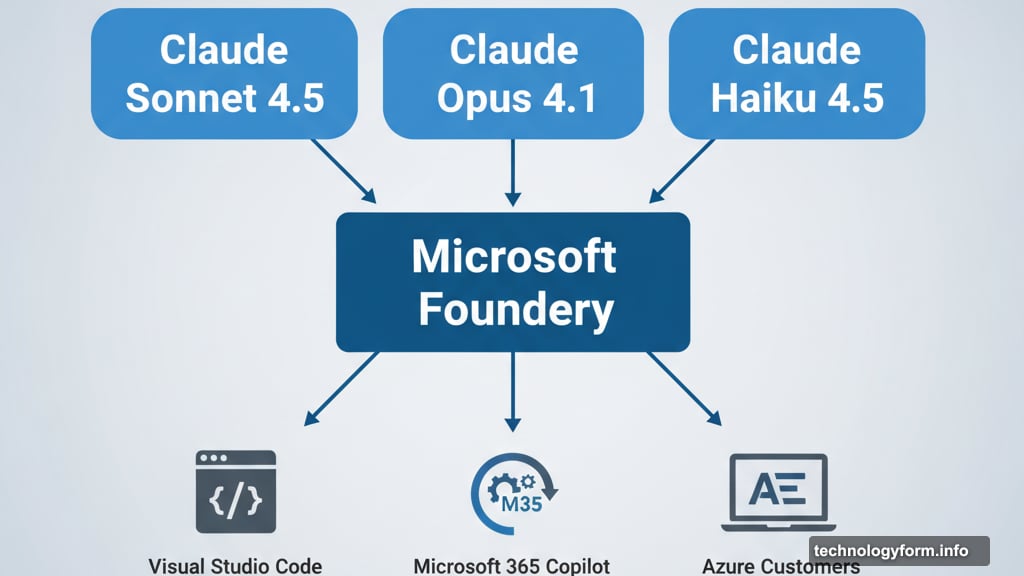
Three Claude models hit Microsoft Foundry today. Claude Sonnet 4.5, Claude Opus 4.1, and Claude Haiku 4.5 all arrived at once.
Microsoft Foundry customers can now integrate these models directly into their workflows. No need to juggle multiple cloud providers or wrestle with different API standards.
However, Amazon Web Services stays in the driver’s seat. AWS remains Anthropic’s primary cloud provider and training partner. So Microsoft gets distribution rights, but Amazon keeps the crown.
Microsoft’s Growing Claude Obsession
This partnership makes sense given Microsoft’s recent behavior. The company has been quietly favoring Claude over OpenAI’s GPT-5 in some key products.
Take Visual Studio Code. Microsoft’s new auto AI model selector picks Claude 4 more often than GPT-5. That’s a telling choice for a company that poured billions into OpenAI.
Moreover, Microsoft recently brought Claude Sonnet 4 and Opus 4.1 to Microsoft 365 Copilot users. The pattern is clear. Microsoft wants Claude integrated across its entire enterprise stack, not just Azure.
Nvidia Gets Strategic Optimization Rights
Nvidia’s $10 billion investment buys more than equity. Anthropic committed to optimizing Claude models specifically for future Nvidia architectures.
This means Claude will run best on Nvidia Blackwell and Vera Rubin systems. Smart move by both companies. Nvidia ensures its chips remain the gold standard for AI inference, while Anthropic guarantees top performance.
Anthropic also pledged to use up to one gigawatt of compute capacity on these Nvidia systems. That’s infrastructure commitment matching their Microsoft deal.
The Compute Capacity Arms Race
Cloud AI partnerships now hinge on massive compute guarantees. Anthropic’s $30 billion Azure commitment shows how the game changed.
Every major AI company needs guaranteed access to enormous computing power. Training frontier models requires thousands of GPUs running for months. So securing long-term capacity matters more than anything else.
Microsoft wins by locking in revenue. Anthropic wins by guaranteeing access to infrastructure. Nvidia wins by staying essential to both parties. Everyone hedges their bets in this trillion-dollar race.
What This Means for Enterprise AI
Azure enterprise customers now have more AI model choices. They can deploy Claude alongside OpenAI’s GPT models and Microsoft’s own AI offerings.
This flexibility matters. Different models excel at different tasks. Claude tends to perform better on certain coding tasks and nuanced reasoning. GPT-4 and GPT-5 dominate other use cases.
However, managing multiple models adds complexity. Companies need to figure out which model works best for each specific workflow. That requires testing, monitoring, and constant optimization.
The Amazon Elephant in the Room
Amazon must be watching this partnership closely. They’re still Anthropic’s primary partner, but Microsoft just grabbed significant distribution.
AWS has deep ties to Anthropic. Amazon invested $8 billion into the company and made Claude models central to their AWS AI strategy. But now Microsoft offers Claude through Azure, giving enterprises another option.
This puts Anthropic in an interesting position. They’re playing both sides, maximizing their reach while keeping Amazon as their foundation. Risky but potentially lucrative strategy.
Strategic Hedging or Genuine Competition?
Microsoft’s approach looks like strategic diversification. They invested heavily in OpenAI but clearly don’t want all their AI eggs in one basket.
By partnering with Anthropic, Microsoft reduces dependence on any single AI provider. Smart move given how fast this industry changes. If OpenAI stumbles or model performance shifts, Microsoft has alternatives ready.
Anthropic benefits too. They get Azure’s massive enterprise customer base without abandoning their AWS foundation. Plus they secured guaranteed compute capacity from two major cloud providers.
The Real Winner Here
Nvidia emerges as the biggest winner from this deal. They’re investing $10 billion but getting guaranteed demand for their next-generation chips.
Every party in this deal commits to using Nvidia hardware. Microsoft runs Azure on Nvidia GPUs. Anthropic optimizes for Nvidia architectures. The compute capacity commitments all flow through Nvidia’s supply chain.
So while Microsoft and Anthropic grab headlines, Nvidia quietly locks in years of guaranteed revenue. They’re selling shovels in the AI gold rush, and business keeps booming.
What Comes Next
Expect more of these complex, multi-party AI partnerships. The compute requirements are too massive for any single company to dominate alone.
Microsoft will likely deepen Claude integration across Office, Teams, and other enterprise products. Anthropic gets distribution that AWS alone couldn’t provide. Amazon maintains their primary partnership while Anthropic expands reach.
Meanwhile, Nvidia keeps building the infrastructure everyone depends on. Their position only strengthens as compute demands explode.
This deal reshapes enterprise AI competition. Single-vendor strategies are dying. Multi-cloud, multi-model approaches are winning. Companies that adapt to this new reality gain flexibility. Those clinging to single partnerships risk getting locked in while competitors move faster.