Patreon Just Launched Its Own Social Feed. Creators Might Actually Use It
Patreon wants creators to ditch Instagram and TikTok. Bold claim, right? But their new discovery features might actually deliver on that promise.
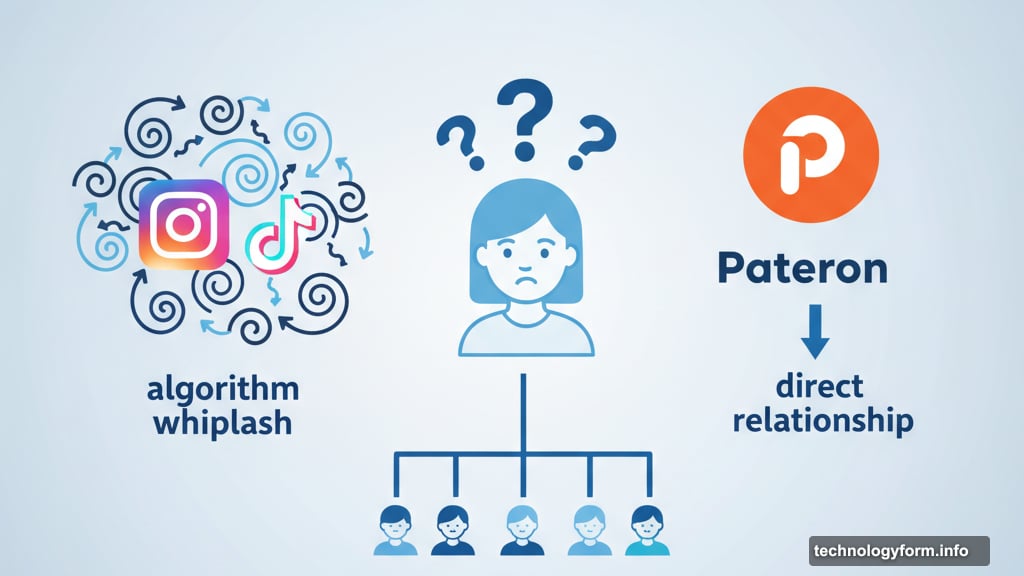
The membership platform just rolled out updates that make it feel less like a payment processor and more like an actual social network. For creators tired of algorithm whiplash on mainstream platforms, this could change everything. Let’s break down what’s new and why it matters.
Quips: Patreon’s Answer to Social Posts
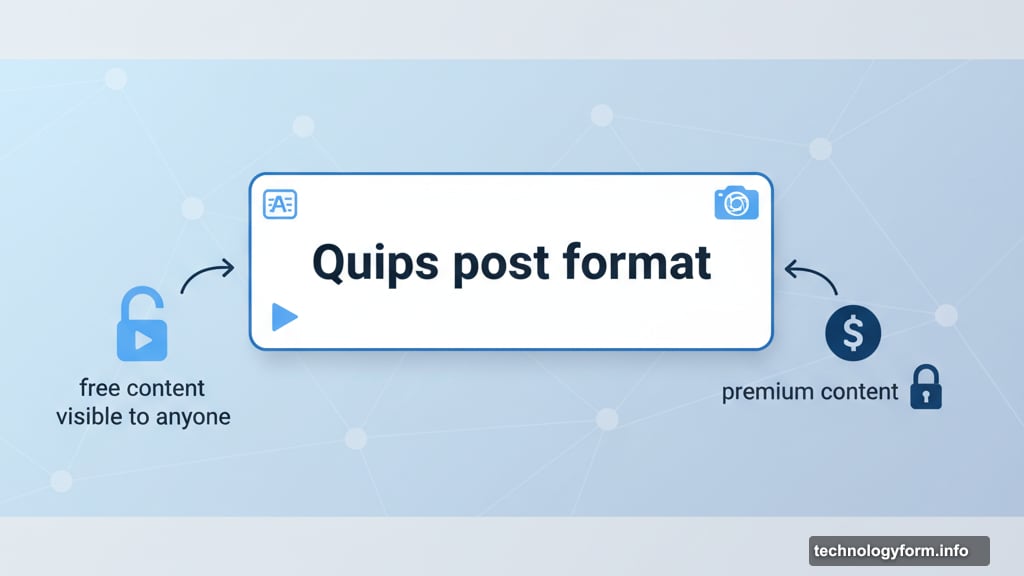
The company introduced a new post format called Quips. Think of them as regular social media updates, but without the algorithmic chaos.
Creators can share text, photos, or video through Quips. Here’s the twist: these posts aren’t locked behind paywalls. Anyone on Patreon can see them.
That’s a big deal. Previously, Patreon felt invisible to non-subscribers. Now creators can attract new fans with free content while still keeping premium stuff for paying members.
Plus, the platform added a redesigned home feed that surfaces recommended Quips. Don’t worry though. Users can opt to see only posts from creators they already follow. No forced algorithmic timeline if you don’t want it.
Why Creators Might Finally Leave Instagram
Patreon CEO Jack Conte made something clear in his announcement. This isn’t about competing with Instagram as it exists today.
“I feel like we’re competing with what Instagram should have and could have become, but did not,” he said.
That’s pointed. Instagram constantly tweaks its algorithm to boost engagement, often at the expense of creator reach. You build an audience, then the platform decides who actually sees your content.
Patreon’s betting creators are exhausted by that game. Instead of chasing trends and fighting for visibility, they can build direct relationships with fans who actually want their content.
Early beta results back this up. Creators testing Quips saw significant increases in free memberships. Paid subscriptions grew too, though more modestly at 5 to 10 percent. Still, that’s growth from a feature that didn’t exist before.
The Discovery Problem They Had to Solve
Here’s Patreon’s longstanding issue: how do new fans find creators?
Previously, discovery happened elsewhere. Creators promoted their Patreon on YouTube, Twitter, Instagram, wherever. Patreon just handled payments and exclusive content delivery.
That made the platform entirely dependent on other social networks. If Instagram throttled creator reach, Patreon suffered too.
Now they’re building their own discovery engine. The home feed recommends creators based on what you already follow. Tags let creators @-mention each other. A saved posts feature is coming soon.
These aren’t revolutionary features. But they make Patreon function more like a standalone platform instead of just billing infrastructure.
Walking the Algorithm Tightrope
Conte knows this update courts controversy. Patreon built its reputation on transparency and creator-first values.
Adding algorithmic recommendations risks becoming what creators fled in the first place. So the company’s trying to thread a delicate needle.
The membership tab still delivers chronological updates from creators you support. No algorithm there. Discovery features live separately in the home feed.
“If we pivot too much to discovery and you don’t see the creators that you’re subscribed to and love, then we’re not doing our job,” Conte acknowledged.
That matters. Creators left mainstream platforms because algorithms buried their content from existing followers. If Patreon makes the same mistake, this whole experiment fails.
So far, they’re keeping these features optional. You want algorithmic discovery? Great. You want chronological only? That works too.
The Rollout Timeline
Patreon’s taking this slow. Full availability won’t hit until sometime next year.
Smart move. Rushing social features usually backfires. Better to test thoroughly with willing beta users than force changes on everyone at once.
Creators who want early access can join a waitlist. That lets Patreon collect feedback and iterate before the wider launch.
Meanwhile, the company’s watching key metrics. How many new memberships do Quips drive? Do users engage with recommended content? Does this cannibalize existing paid subscriptions or grow them?
Those answers will determine whether this becomes Patreon’s core experience or gets quietly shelved.
What This Means for the Creator Economy
Platform consolidation dominated creator conversations lately. TikTok changed its monetization. YouTube keeps tweaking partner programs. Instagram prioritizes Reels over everything else.
Creators need alternatives. Not just for revenue diversification, but for audience ownership.
Patreon’s pitch is simple: build your community here instead of renting space on platforms that don’t care about you. Own the relationship with your fans. Control your content and revenue directly.
These new features make that pitch more compelling. If creators can actually grow their audience on Patreon, they need other platforms less.
That’s the goal anyway. Whether it works depends on execution and adoption. Plenty of platforms promised creator-first experiences before prioritizing growth over people.
But Patreon’s track record gives them credibility here. They’ve consistently sided with creators over advertisers. Their business model aligns with creator success, not just attention extraction.
The Real Test Starts Now
Features matter less than outcomes. Can creators actually build audiences through Quips? Will fans engage with discovery feeds on yet another platform?
Conte sounds optimistic about the early results. Free memberships jumped for beta participants. Paid conversions are growing. That’s promising.
But beta users are typically early adopters who actively want these features. The real question is what happens at scale with skeptical creators and passive users.
Patreon needs creators to see this as an opportunity, not another obligation. If posting Quips feels like one more social platform to maintain, it won’t stick.
However, if it genuinely reduces dependence on algorithmic platforms while growing income, creators will embrace it enthusiastically.
The stakes are high. Succeed here and Patreon becomes essential infrastructure for the creator economy. Fail and they’re back to being payment middleware for audiences built elsewhere.
Watch what creators actually do over the next six months. That’ll tell you everything about whether this gamble pays off.