Facebook Messenger’s Desktop App Just Died. Meta Doesn’t Care
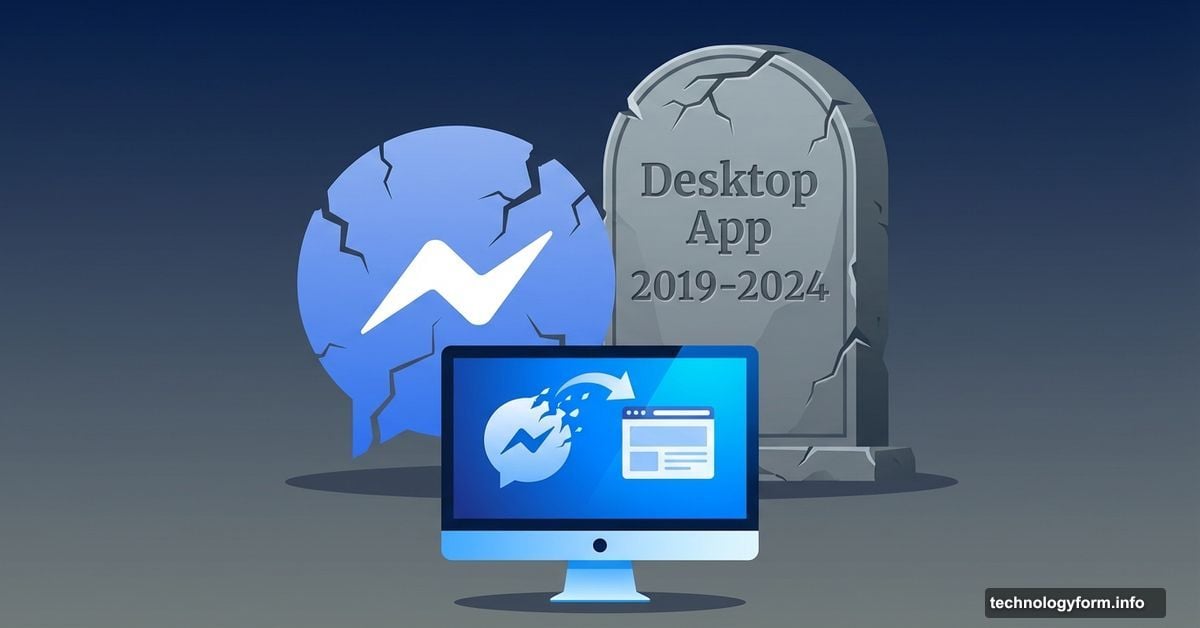
Meta killed Facebook Messenger’s desktop app today. No warning, no fanfare, just a redirect to the website.
If you opened the Mac or Windows app this morning, you got booted to Facebook.com instead. Five years after launch, Meta decided standalone desktop apps for Messenger aren’t worth maintaining anymore.
So what happened? The signs were everywhere if you knew where to look.
The App Nobody Actually Needed
Messenger’s desktop app launched during the Covid-19 pandemic when everyone scrambled for video call solutions. Makes sense, right? Wrong.
The app couldn’t compete where it mattered most. Zoom handled 100+ participants easily. Messenger maxed out at a fraction of that. Plus, no screensharing. No simple meeting links. Just basic messaging with clunky video calls.
Business users picked Zoom or Teams instead. Casual users stuck with their phones. The desktop app fell into a weird middle ground where nobody really needed it.
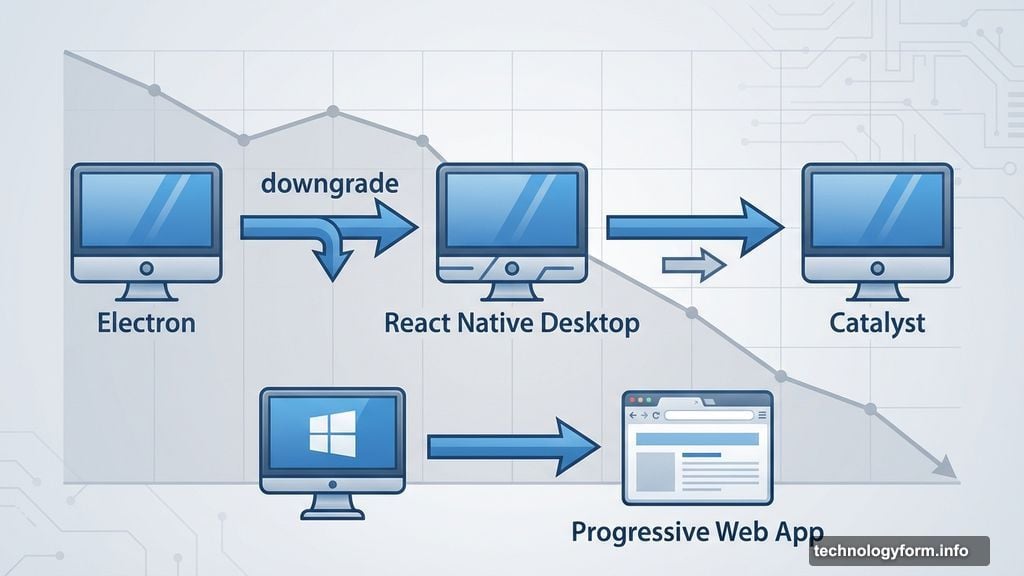
Moreover, Meta kept downgrading the technology behind the app. That’s never a good sign. The Mac version started as an Electron app, moved to React Native Desktop, then finally landed on Catalyst. Each transition made the app feel less native and more like a website wrapper.
Windows got even worse treatment. Meta converted it to a progressive web app last year. Basically a glorified browser tab pretending to be software.
Meta’s Been Merging Everything Back Together
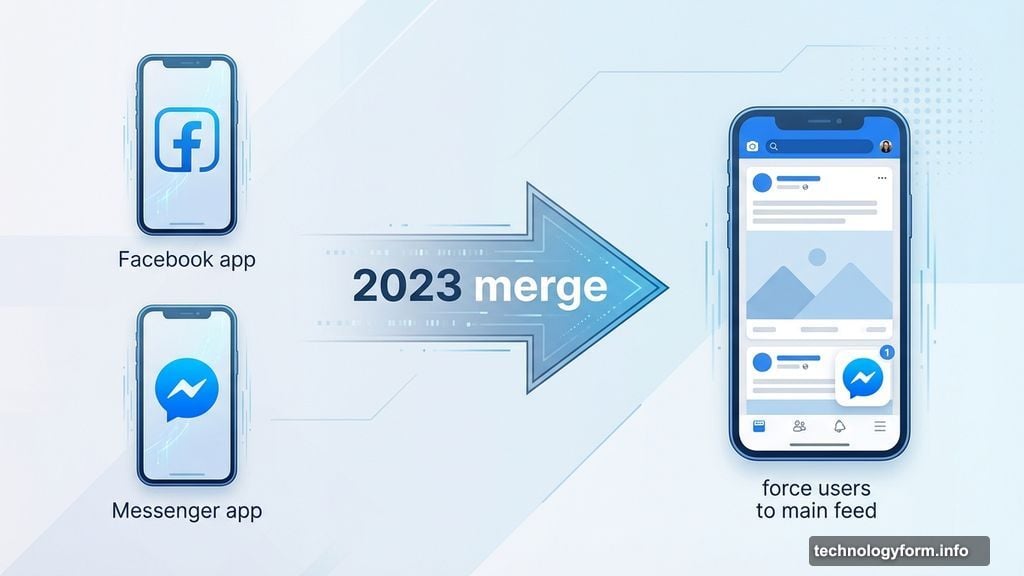
Here’s what really sealed the deal. Meta started putting Messenger back inside the main Facebook app in 2023.
Why build two separate apps when you can force people to use Facebook? That’s Meta’s logic anyway. The company wants users scrolling through the main feed, seeing ads, engaging with content.
Standalone Messenger didn’t serve that goal. So Meta slowly killed it by making the Facebook app more convenient.
Plus, Facebook’s usage numbers have been sliding for years. Younger users abandoned it entirely. Merging Messenger back into Facebook gives people one more reason to open the aging social network.
The desktop app became collateral damage in this strategy. Why maintain three separate codebases when you can just point everyone to the website?
What Users Need to Know Now
Got chat history you want to keep? Better set up a PIN before switching to the web version.
Meta warned users this fall about the shutdown. But let’s be honest. Most people didn’t see those warnings or ignored them. So here’s what actually matters now.
First, your conversations aren’t gone. Everything moves to Messenger on the web at Facebook.com. Just log in with your regular account. Nothing changes except where you access your chats.
Second, don’t have a Facebook account but use Messenger? You’re fine too. Head to Messenger.com instead. You can still log in without creating a Facebook account. At least for now.
Third, that chat history. Meta claims it’s preserved automatically. But setting up a PIN adds extra protection. Takes 30 seconds. Worth doing before you make the switch.
The Bigger Pattern Here
Meta keeps consolidating everything into fewer apps. WhatsApp, Instagram, Facebook, Messenger used to be mostly separate. Not anymore.
The company already merged Instagram and Messenger chats. You can message between platforms now. That’s convenient for users but mostly benefits Meta. More data, more engagement, more control.
This desktop app shutdown fits perfectly into that pattern. Fewer standalone apps mean less maintenance cost and more centralized user data. Meta wins twice.
But here’s what bugs me about this approach. Users lose choice. Want a lightweight desktop chat app without Facebook’s bloated interface? Too bad. Use the website or nothing.
The web version works fine for basic messaging. But it lacks keyboard shortcuts, proper notifications, and that desktop-native feel. Plus it requires keeping a browser tab open constantly.
Some users will adapt. Others will finally switch to Signal, Discord, or other alternatives that still respect the concept of standalone desktop apps.
Meta clearly doesn’t care which group you fall into. They’ve got 3 billion users. Losing a few desktop app devotees won’t move the needle.
Your move now. Stick with Messenger on the web or find something better. Just don’t expect Meta to reverse course and bring the desktop app back. That ship sailed.