Tinder’s New AI Wants to Dig Through Your Photos. Should You Let It?
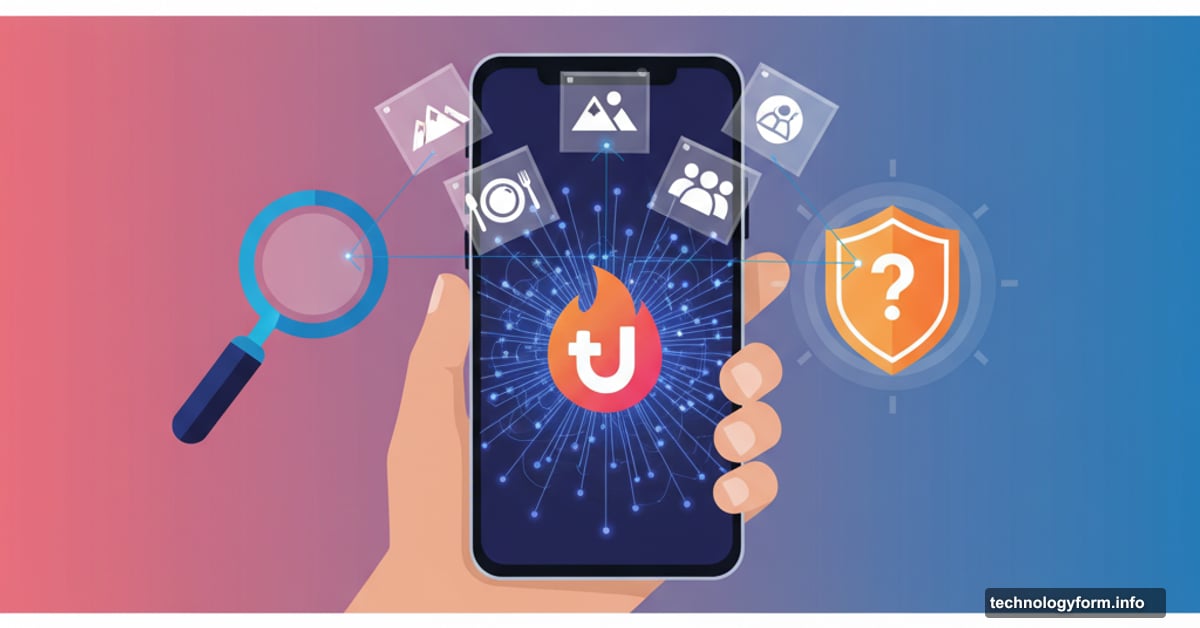
The dating app just rolled out an experimental feature that scans your camera roll to find better matches. Users can opt in, but the privacy implications are hard to ignore.
Tinder thinks it found a solution to swipe fatigue. But the cure might be worse than the disease.
The company is testing Chemistry, an AI-powered matching feature that analyzes photos on your phone to understand your personality and interests. Plus, it asks interactive questions to figure out what matters most to you. The goal? Surface a handful of highly compatible profiles each day instead of making you swipe through hundreds of mediocre matches.
How the Camera Roll Feature Actually Works
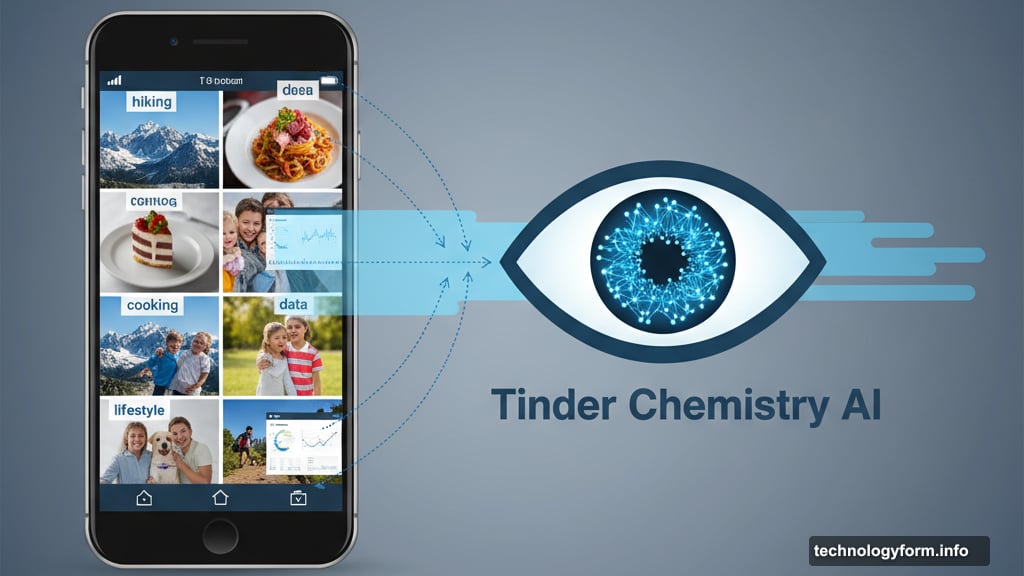
Chemistry uses deep learning to scan your photo library. It looks for patterns in your images to understand your hobbies, lifestyle, and personality traits.
Like hiking? Your camera roll probably shows mountains and trails. Love cooking? Expect the AI to spot kitchen photos and food shots. The system analyzes these visual patterns to find people with compatible interests.
But here’s the critical detail. Tinder says the feature is completely opt-in. The app won’t touch your photos unless you explicitly grant permission. Match Group CEO Spencer Rascoff stressed this point during Tuesday’s earnings call.
Still, letting a dating app scan your entire photo library feels invasive. Even with permission. Your camera roll contains far more than dating profile material. Family photos, work documents, screenshots of private conversations—all potentially visible to Tinder’s AI.
Testing in Australia and New Zealand First
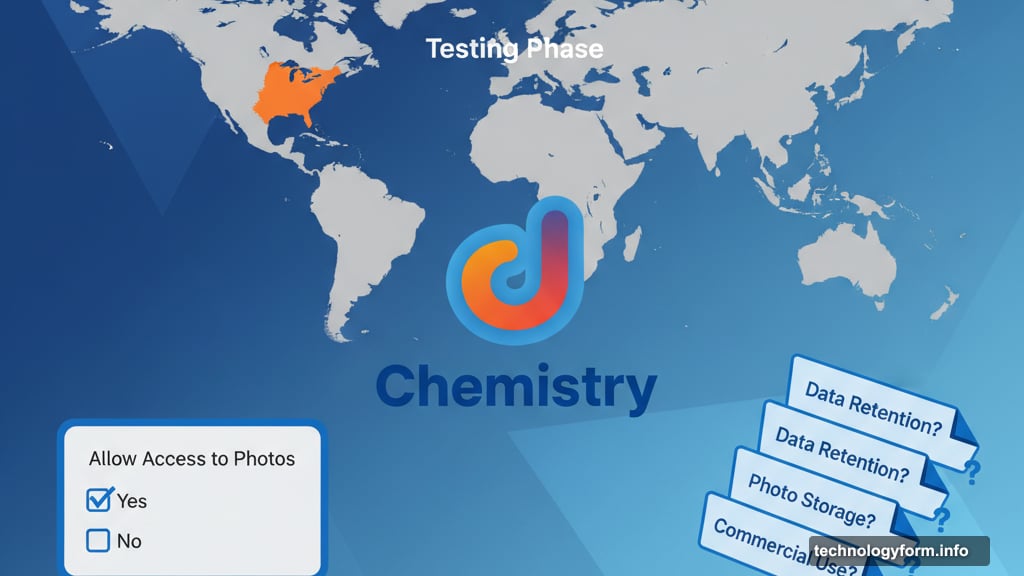
Tinder currently limits Chemistry testing to Australia and New Zealand. The company plans to expand to additional countries “in the coming months.” No specific timeline exists for US availability yet.
Meanwhile, the app added other features recently. College Mode launched in September, connecting students within their university community. Double Date Mode lets you match with other pairs, which proved especially popular in Europe and with Gen Z users.
The technical side improved too. Android startup times got 38% faster. Crash rates dropped 32%. iOS app stability also increased significantly, according to Match Group.
The Real Privacy Question Nobody’s Asking
Opt-in sounds safe. But app permissions create gray areas.
Once you grant access, how long does Tinder keep that data? Does the AI save copies of your photos? Can Match Group use that information for purposes beyond matching? The company’s announcement doesn’t address these questions clearly.
Plus, AI systems learn from data they process. Even if Tinder doesn’t store your specific photos, the patterns extracted from millions of camera rolls could train broader matching algorithms. That data has commercial value beyond just your dating experience.
Swipe Fatigue Is Real. But Is This the Fix?
Dating app burnout is a genuine problem. Endless swiping creates decision paralysis. Most profiles blur together after an hour of scrolling. So Tinder’s goal makes sense.
Yet asking users to hand over their photo libraries feels like overreach. Personality quizzes and preference questions could achieve similar results without scanning private images. OkCupid built its entire matching algorithm on questionnaires without touching anyone’s camera roll.
The AI approach might work better technically. Machine learning can spot patterns humans miss. But the trade-off between match quality and privacy protection remains murky.
Chemistry represents Tinder’s broader AI push. The company wants to differentiate itself in a crowded market. Match Group owns multiple dating platforms, and all face pressure to innovate. But innovation shouldn’t require sacrificing user privacy by default.
I’d skip this feature. Answering questions about your interests reveals plenty without exposing your entire photo library to an AI system. Plus, dating apps already collect massive amounts of behavioral data. Why give them more?
The real test comes when Chemistry expands beyond Australia and New Zealand. Will users trust Tinder enough to grant camera roll access? Or will privacy concerns outweigh the promise of better matches?
Only time will tell. But once you give an app access to your photos, revoking that permission doesn’t erase what it already learned.