Google Just Built the Shopping Protocol AI Agents Actually Need
Google dropped something big at the retail conference this week. Not another AI chatbot. Not more search features. A whole new protocol for AI-powered shopping.
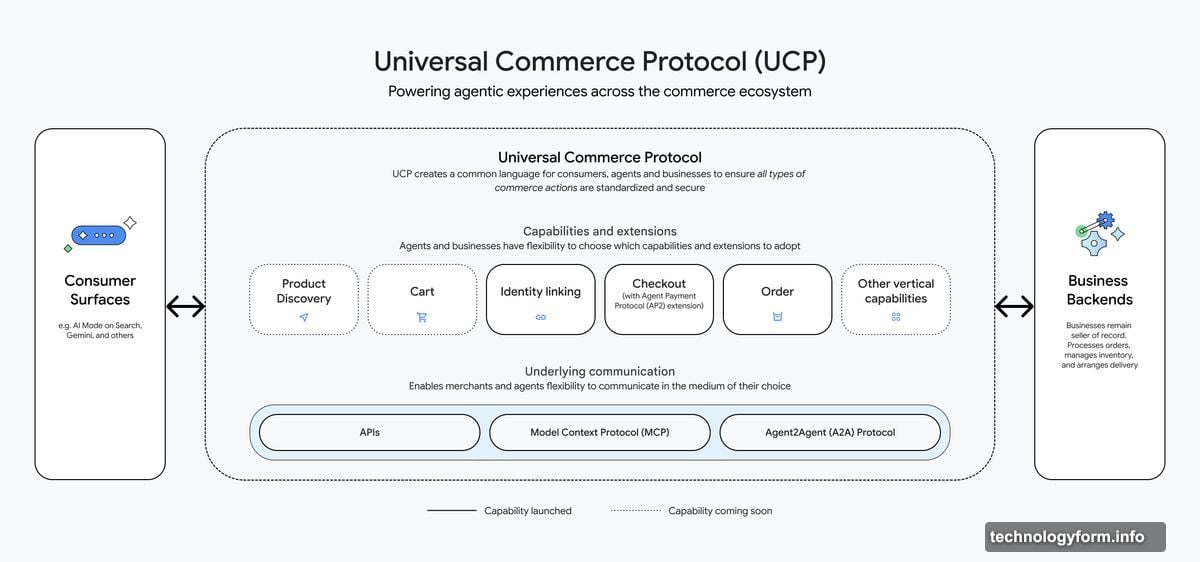
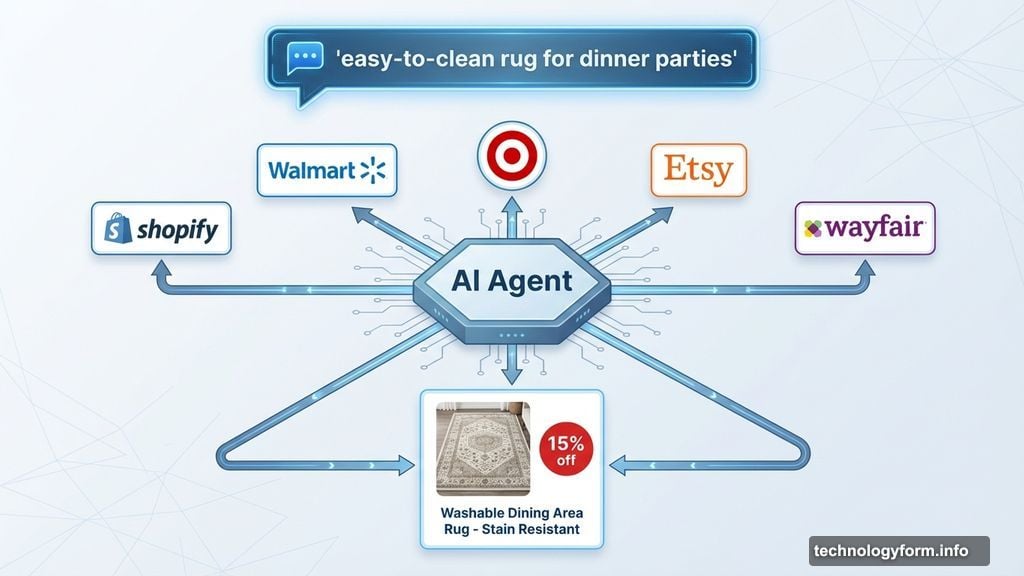
It’s called Universal Commerce Protocol (UCP). And it solves a problem most people don’t realize exists yet. As AI agents start handling our purchases, they need a common language to talk with retailers. Otherwise, every shopping AI builds custom connections to thousands of stores. That’s a mess waiting to happen.
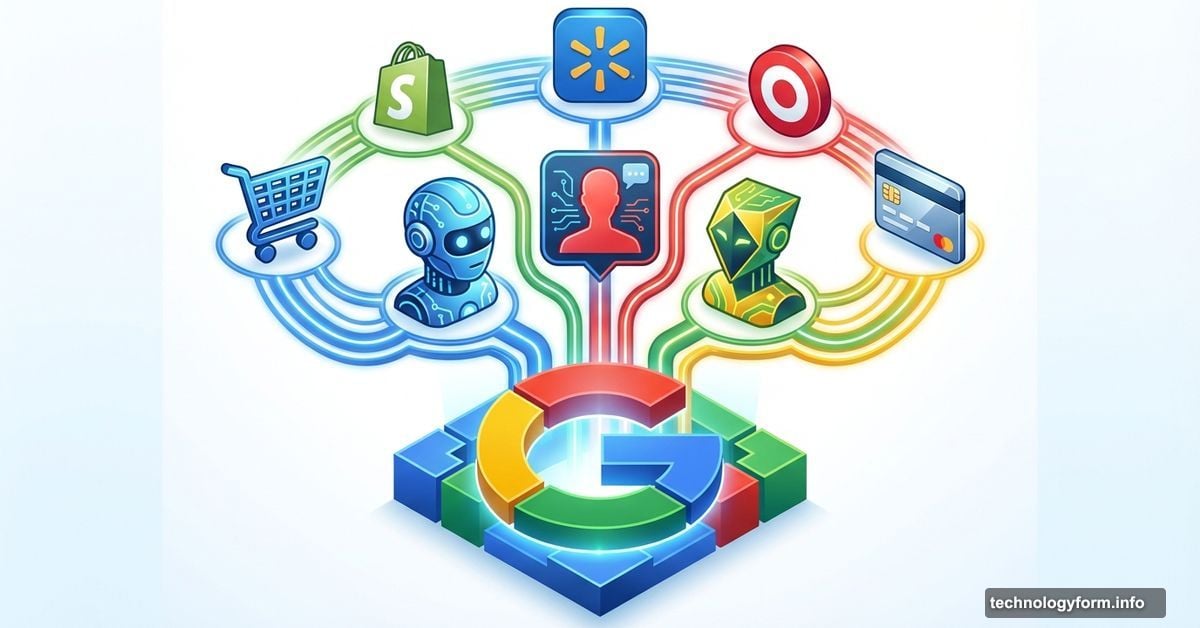
So Google built the standard with help from companies that actually matter. Shopify, Walmart, Target, Etsy, Wayfair. Not just tech companies talking to themselves. Real retailers who move real products.
How AI Shopping Actually Works Now
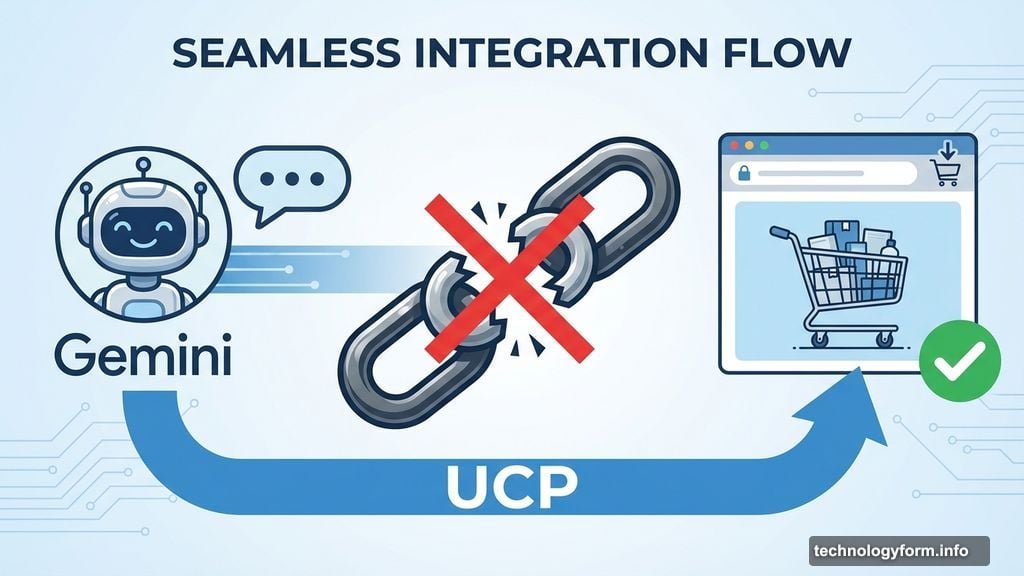
Here’s the current reality. You ask Gemini or ChatGPT to find you something. The AI searches. Finds options. Then dumps you onto a retailer’s website to finish checkout.
That break in the conversation kills the experience. You leave the AI. Navigate a website. Enter payment info. Handle shipping details. Come back to the AI if you remember what you were doing.

UCP changes this flow completely. The AI stays with you through the entire purchase. Discovery, comparison, checkout, even post-purchase support. One continuous conversation that actually completes the transaction.
Plus, Google already integrated this into Search AI mode and Gemini apps. Soon you’ll shop directly from product listings while researching. Pay with Google Pay. Use shipping info saved in Google Wallet. PayPal support coming next.
Why Shopify Loves This Standard
Shopify CEO Tobi Lutke made an interesting point at the announcement. AI agents excel at matching specific interests to perfect products. Not broad searches. Precise recommendations you’d never think to look for yourself.
That’s where commerce gets interesting. Someone looking for “easy-to-clean modern rug for dinner parties” gets exactly that. Not a generic rug category page with 500 options. One AI-powered conversation that understands context and delivers the right answer.
Shopify also announced Microsoft Copilot integration today. Same idea. Shopping within conversational flow instead of website hopping. The pattern is clear. Every major platform is building this capability right now.
The Discount Timing Problem Gets Solved
Google added something clever for brands. Dynamic discount offers during product discovery. Not after you’ve already decided. Right when you’re considering options.
So you’re asking Gemini about rugs. A brand can offer 15% off at that exact moment. When you’re actually making the decision. Not three days later via email when you’ve already moved on.
That timing matters more than the discount size. Catching someone during active consideration beats chasing them afterward. Brands finally get relevance instead of spam.
Merchants Get AI Agents Too
Google isn’t just building tools for shoppers. They’re giving sellers AI-powered Business Agents that live inside Search results. Lowe’s, Michael’s, Poshmark, and Reebok already use them.
These agents answer customer questions directly in search. Before someone visits your site. Before they contact support. Instant responses that keep people engaged instead of bouncing.
Meta and Shopify have similar tools now. Everyone’s racing to automate customer service and outreach. Because handling thousands of basic questions manually doesn’t scale. AI does it better and cheaper.
Google also launched Gemini Enterprise for Customer Experience. A full suite for retailers and restaurants to manage shopping and service. Because piecemeal AI tools don’t cut it. Companies need complete solutions that work together.
The Real Winner Nobody Talks About
Standardization matters more than features. When everyone uses the same protocol, the entire ecosystem benefits. Developers build once. Retailers integrate once. Shoppers get consistent experiences everywhere.
Without standards like UCP, we’d end up with dozens of incompatible AI shopping systems. Each requiring custom work. Each creating friction. Standards prevent that nightmare.
Google isn’t alone here. PayPal and OpenAI are working on merchant discovery in AI results. Startups like Prompt are helping sellers surface in AI answers. Even Adobe reported 693% growth in AI-driven traffic during the holidays.
But traffic doesn’t equal sales. Adobe couldn’t say how much converted. That’s the problem UCP addresses. Keeping shoppers in the flow until they actually complete purchases.
Where Shopping Goes Next
AI agents will handle more purchases this year. Not browse and recommend. Actually buy things. That requires trust, seamless payment, and reliable delivery.
UCP provides the infrastructure. Now companies build on top of it instead of reinventing commerce protocols. That’s how new technology actually gets adopted. Through standards everyone agrees on.
Google, Amazon, Walmart, OpenAI. Everyone’s pushing AI into shopping. From both sides. Consumers get better recommendations and faster checkout. Merchants get automated support and smarter marketing.
The question isn’t if AI changes shopping. It’s how fast the change happens. Based on what dropped this week, faster than most people expect.