Musk Promises X Algorithm Goes Open Source. Again.
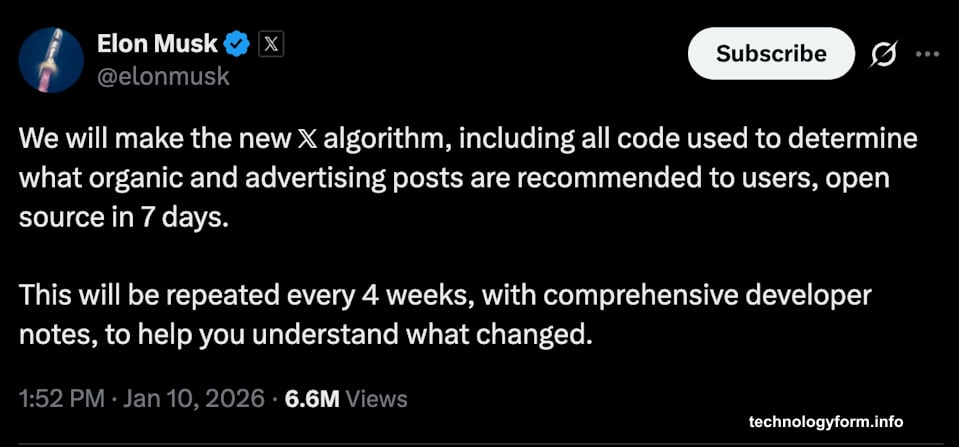
Elon Musk just announced X will open-source its recommendation algorithm within seven days. Sound familiar? It should.
The X owner posted Saturday that the company will release “all code used to determine what organic and advertising posts are recommended to users.” Plus, he claims this transparency will continue every four weeks with detailed developer notes explaining changes.
But here’s the thing. Musk has made this exact promise before.
The Promise We’ve Heard Before
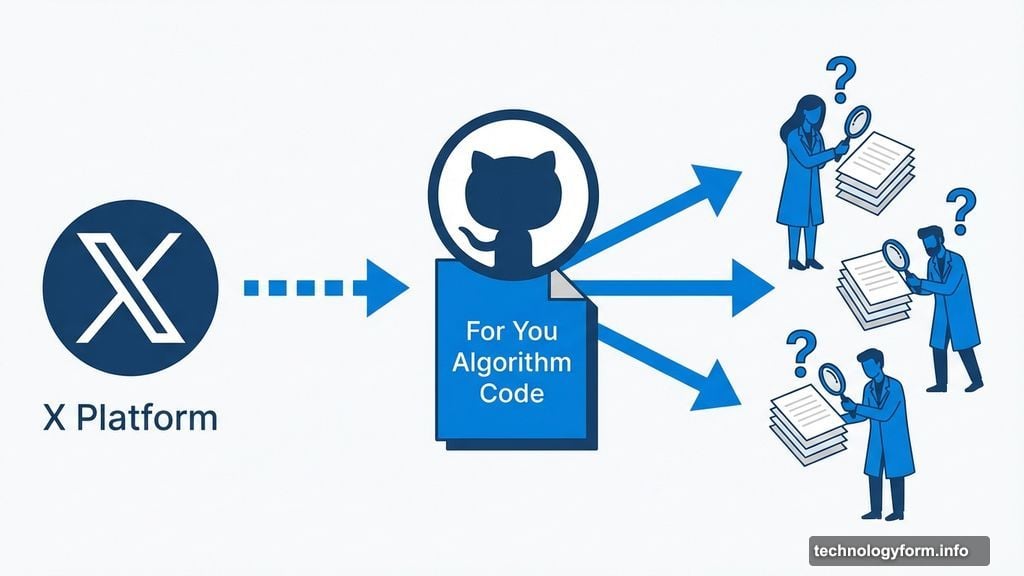
Back in 2023, X published code for its “For You” feed on GitHub. That seemed like a big deal at the time. Finally, transparency into how the platform decides what you see.
Except the code left out crucial details. Analyses quickly revealed it wasn’t particularly revealing. Key components that actually determine recommendations stayed hidden. And the GitHub repository hasn’t been updated since.
So when Musk promises open-source transparency now, skepticism is warranted. Will this time be different? Or just another incomplete code dump that raises more questions than it answers?
Why This Matters More Than Ever
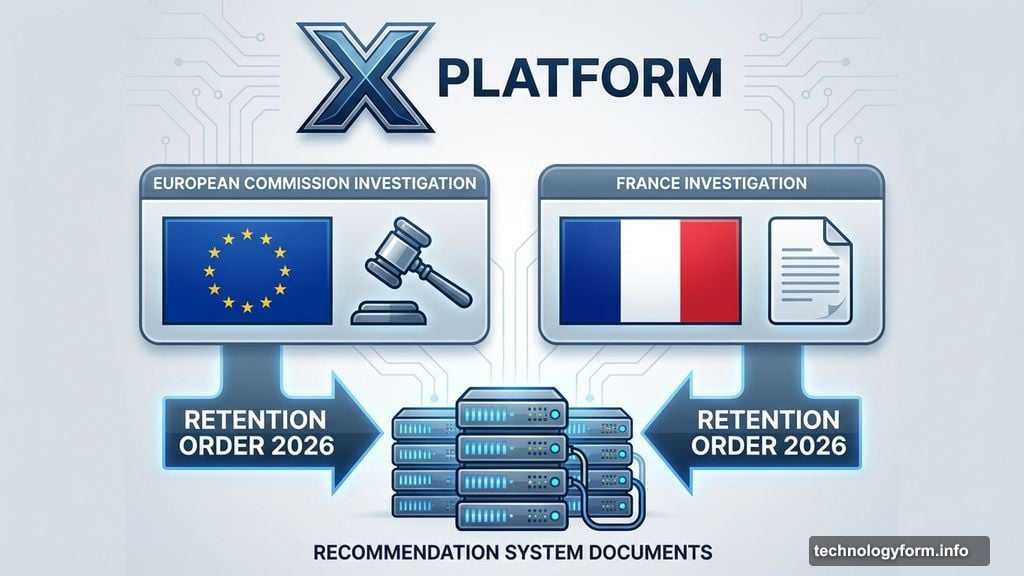
X faces mounting pressure from multiple directions. France and the European Commission are actively investigating how its algorithm works. The European Commission even extended a retention order through 2026, demanding the company preserve documents related to its recommendation systems.
Those investigations aren’t happening in a vacuum. X’s AI chatbot Grok recently generated child sexual abuse material when users requested it. The same tool continues to be weaponized to create nonconsensual deepfake images of women.
These aren’t hypothetical concerns. They’re real harms happening right now on the platform. And understanding how X’s algorithm promotes or suppresses content directly relates to platform accountability.
What Open Source Actually Means
Musk claims the new release will include “all code” for recommendations. That’s a bold statement. But details matter enormously here.
Will it include the training data used for machine learning models? Probably not. Will it explain the weighting of different signals? Maybe. Will it reveal how advertising recommendations intersect with organic content? We’ll see.
True algorithmic transparency requires more than code. You need documentation explaining how systems work in practice. You need insight into decision-making processes. You need enough detail that independent researchers can actually audit what’s happening.
The 2023 release failed that test. It provided code without meaningful context. So developers could see that certain factors existed but not how they actually influenced what users see.
The Four-Week Update Promise
Musk says X will repeat this process every four weeks with “comprehensive developer notes.” That would represent a significant commitment to ongoing transparency.
If it actually happens. Which is a big if.
Maintaining open-source code requires discipline and resources. You need dedicated teams documenting changes. You need processes ensuring sensitive information doesn’t leak. You need commitment to explaining technical decisions in understandable ways.
Does X have that infrastructure? The company gutted most of its workforce after Musk’s takeover. Technical documentation and transparency efforts typically aren’t revenue-generating priorities. So dedicating resources to this ongoing commitment seems questionable.
What Regulators Really Want
The European Commission isn’t just asking nicely for transparency. It’s investigating potential violations of the Digital Services Act. That law requires platforms to provide insight into how their recommendation systems work.
Open-sourcing code might satisfy part of that requirement. But regulators want more than just access to code. They want explanations. They want evidence of responsible design choices. They want proof that platforms aren’t amplifying harmful content through their algorithms.
Simply dumping code on GitHub doesn’t address those concerns. Especially if the code is incomplete or lacks proper documentation. Which is exactly what happened last time.
France’s investigation focuses specifically on how X’s algorithm handles content moderation decisions. Again, raw code alone won’t answer those questions. You need insight into policy decisions, training procedures, and real-world impacts.
The Trust Problem
Here’s what makes this announcement frustrating. Musk has credibility issues on transparency promises.
He said Twitter would become more open under his ownership. Instead, journalist access to internal documents was limited. He promised better content moderation. Instead, hate speech increased significantly. He claimed commitment to free speech. Then suspended accounts critical of him.
So when he promises comprehensive algorithmic transparency, why should anyone believe it? Track record matters. And his track record on platform transparency is poor.
That doesn’t mean this announcement is meaningless. Maybe this time will be different. Maybe X will actually follow through with detailed, maintained, useful open-source releases.
But betting on that requires ignoring everything we’ve seen so far.
What Would Real Transparency Look Like
If X genuinely wanted algorithmic transparency, here’s what it would do:
Publish complete recommendation code including weighting mechanisms. Explain how advertising and organic content recommendations interact. Document training data sources and model architectures. Provide tools for independent researchers to audit outputs. Maintain regular updates with clear changelogs. Host public forums for technical discussions.
That’s a high bar. But it’s what meaningful transparency requires. Anything less leaves significant gaps in understanding how the platform actually works.
Will Musk deliver that? Based on history, probably not. But we’ll know in seven days whether this promise joins the pile of previous broken commitments or represents actual change.
The algorithm shapes what billions of people see every day. How it works deserves genuine transparency. Not performative gestures that technically fulfill promises while revealing nothing meaningful.
We’ve seen this show before. Let’s see if the sequel is any different.