WhatsApp Faces Stricter EU Rules. Your Messages Stay Private
The European Commission just slapped WhatsApp with a new regulatory label. But before you panic, your private chats remain untouched.
WhatsApp’s getting designated as a Very Large Online Platform (VLOP) under the EU’s Digital Services Act. However, this only affects one specific feature. So let’s break down what’s actually changing and what stays the same.
The VLOP Label Explained Simply
Very Large Online Platform sounds intimidating. In reality, it’s just the EU’s way of saying “you’re big enough that we’re watching closely.”
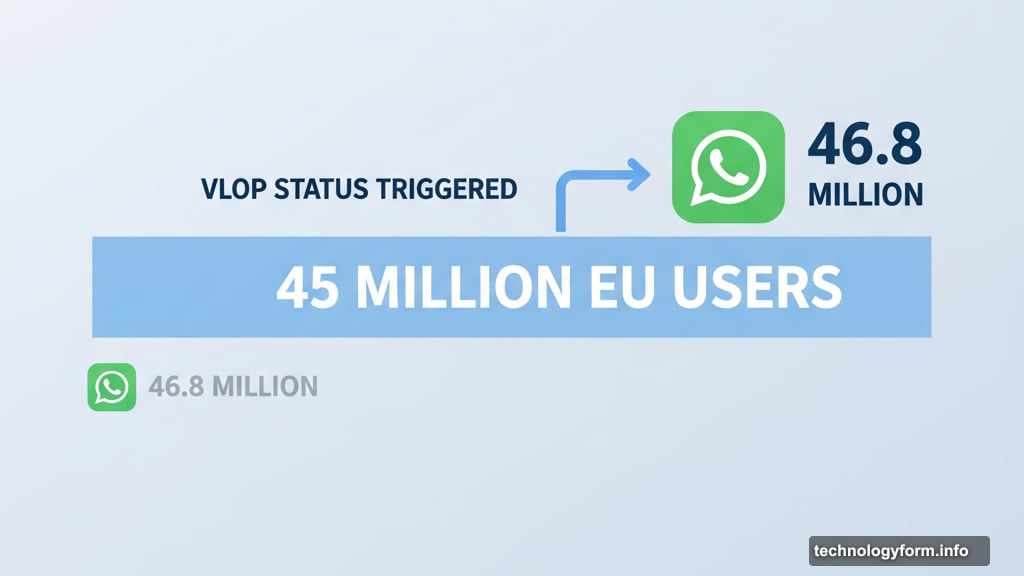
The designation kicks in when a platform exceeds 45 million monthly EU users. WhatsApp hit 46.8 million in late 2024. So the label was inevitable.
Now the European Commission gets more oversight power. Plus, WhatsApp faces stricter requirements around content moderation, data sharing, and advertising transparency. Think of it as moving from the minor leagues to major league regulation.
Only Open Channels Get Regulated
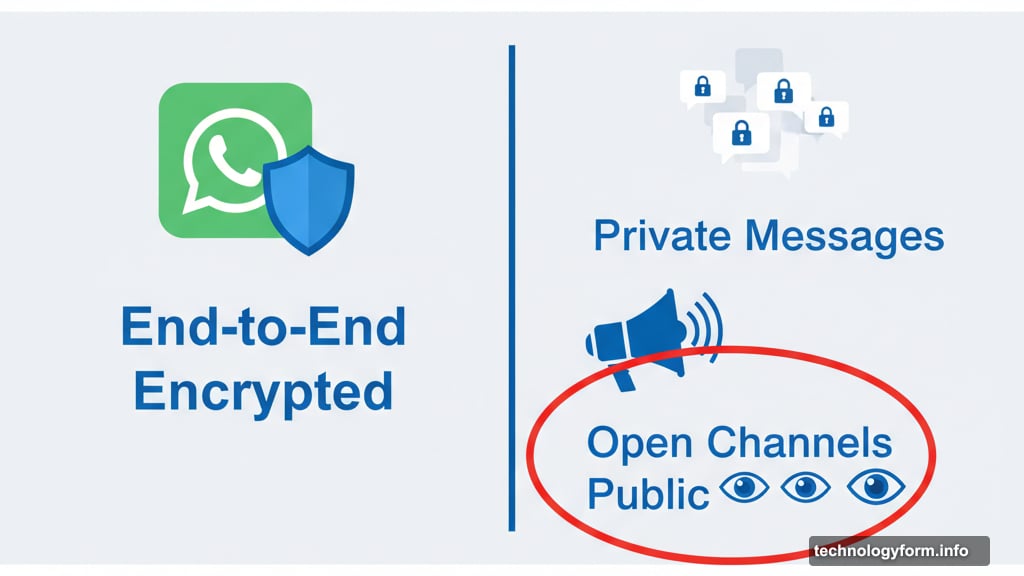
Here’s the crucial part. This VLOP designation applies exclusively to WhatsApp’s open channels feature.
What are open channels? They’re public broadcast channels where creators share updates with followers. Think of them like mini social media feeds inside WhatsApp. Anyone can subscribe and view the content.
Your personal messages? Still private. Group chats with friends? Still private. Business conversations? Still private. The EU explicitly confirmed individual messaging remains outside this regulation’s scope.
So if you don’t use open channels, nothing changes for you. Your end-to-end encrypted conversations continue exactly as before.
What WhatsApp Must Do Now
The VLOP label comes with specific requirements. WhatsApp needs to conduct annual independent audits of its systems. These reviews ensure the company follows DSA rules properly.
Moreover, WhatsApp must maintain transparent advertising practices. That means clear disclosure of who’s paying for what content. Users should understand when they’re viewing sponsored material versus organic posts.
Content moderation rules get stricter too. WhatsApp must actively monitor open channels for illegal content, hate speech, and misinformation. Then remove violations quickly when found.
Data sharing practices face scrutiny as well. The company needs to explain clearly how it uses data from open channels. Plus, researchers and regulators get better access to platform data for studies.
WhatsApp Joins Tech’s Big Players
This designation puts WhatsApp alongside the biggest names in tech. Amazon operates under VLOP rules. Google does too. ByteDance, Facebook, and Instagram all carry this label.
The common thread? Massive user bases in the EU. When platforms reach this scale, regulators worry about their societal impact. So they impose stricter oversight.
Interestingly, Meta now has three platforms with VLOP status. Facebook and Instagram received the designation earlier. Now WhatsApp completes the trio. That’s unprecedented concentration of regulated platforms under one company.
Why This Matters Beyond Europe
EU regulations often set global standards. When Europe creates new rules, tech companies frequently apply them worldwide. It’s simpler than maintaining different systems for different regions.
So these changes might eventually affect WhatsApp users globally. Not through direct regulation. But through voluntary adoption of EU-compliant features and policies everywhere.
Additionally, other countries watch EU tech regulation closely. Many jurisdictions copy or adapt DSA-style laws. The UK is considering similar measures. Australia has comparable proposals in development.
Therefore, this WhatsApp designation represents more than just European policy. It’s part of a worldwide shift toward stronger platform regulation.
The Real Impact on Regular Users
Most WhatsApp users won’t notice much difference. Your daily messaging experience stays identical. End-to-end encryption remains standard. Privacy protections don’t change.
However, open channel users might see stricter content moderation. Channels posting questionable content could face removal. That’s probably good for reducing misinformation spread.
Also, expect more transparency around advertising and data use. WhatsApp will likely add clearer notices about how open channels work. Users benefit from better understanding of the platform’s mechanics.
The annual audits should improve security and privacy over time. Independent reviews help catch problems before they become scandals. So long-term, users gain from these regulatory requirements.
Meta’s Growing Regulatory Burden
Meta keeps accumulating regulatory obligations. Between Facebook, Instagram, and now WhatsApp, the company faces intense scrutiny across its platform portfolio.
Each VLOP designation adds compliance costs. Annual audits aren’t cheap. Transparency reporting takes resources. Content moderation at scale requires massive investment. All of this affects Meta’s bottom line.
Yet Meta anticipated this outcome. The company knew WhatsApp’s EU user numbers would trigger VLOP status. So preparations likely started months ago. The official designation just makes existing plans formal.
Still, managing three major platforms under strict EU oversight presents unique challenges. Meta needs consistent policies across all three. But each platform has different features and user bases. Finding that balance requires careful navigation.
Your WhatsApp conversations remain private. The EU isn’t reading your messages or weakening encryption. This regulation targets public channels where content reaches millions.
So keep messaging your friends, family, and colleagues without worry. The things that make WhatsApp useful for personal communication haven’t changed. And probably won’t.