Facebook Like Button Is Dead. Meta Just Killed 15 Years of Internet History
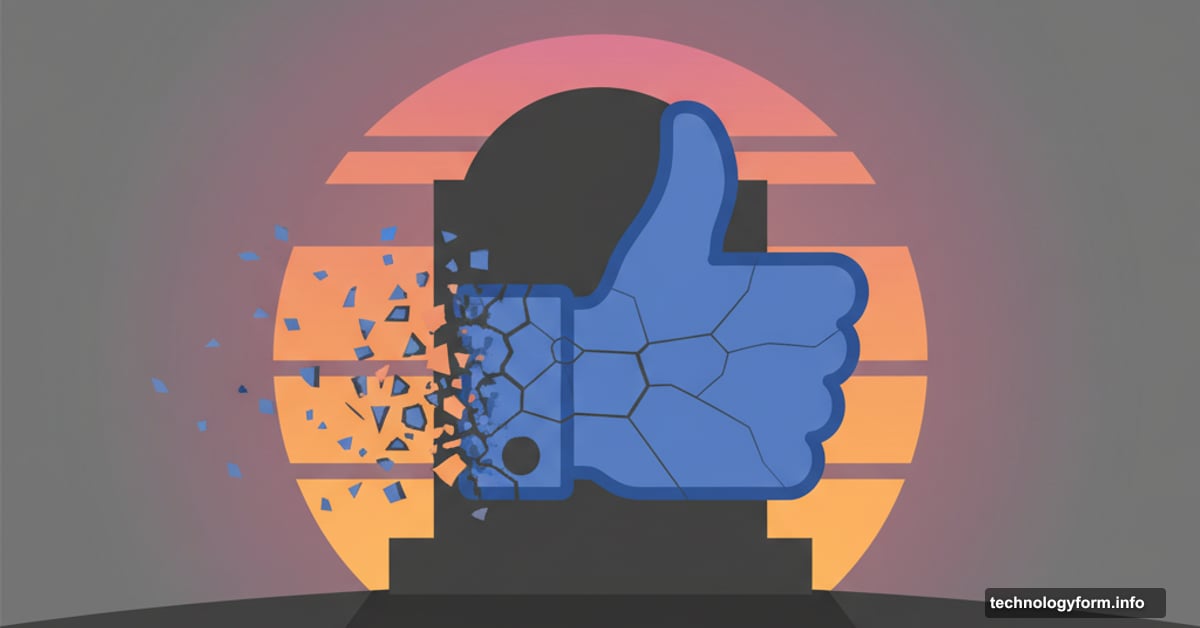
Meta just pulled the plug on something millions of websites used every single day. The Facebook Like button and Share button for external sites will disappear on February 10, 2026.
This isn’t just another feature sunset. It’s the end of an era for how we shared content online. For 15 years, those blue buttons sat at the bottom of nearly every blog post, news article, and recipe you read. Now they’re heading to the digital graveyard.
What’s Actually Disappearing
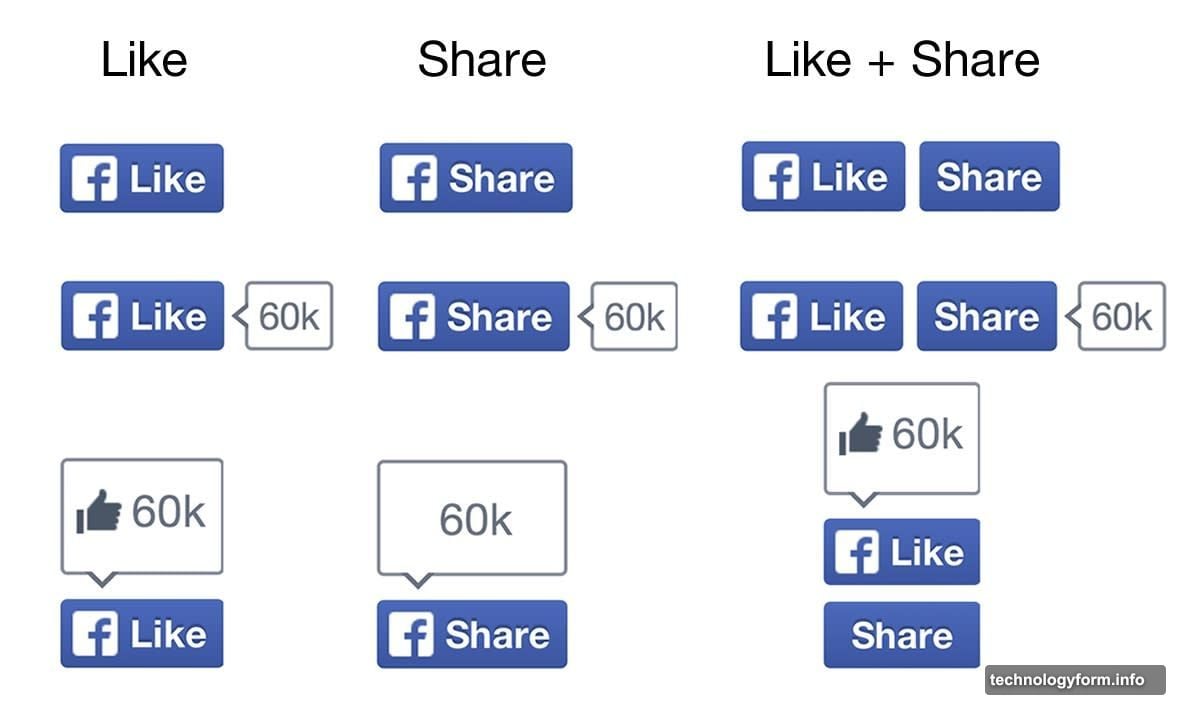
Meta is discontinuing two external social plugins. The Like button let readers show appreciation for content without leaving the page. The Share button made it easy to post articles directly to Facebook timelines.
Both tools launched in 2010. Back then, Facebook dominated how people discovered and shared content online. Those buttons weren’t just features. They were essential traffic drivers for publishers and bloggers.
But times changed. So Meta is moving on.
Site Owners Don’t Need to Panic
Here’s the good news. Website admins don’t have to do anything if they’re currently using these plugins.
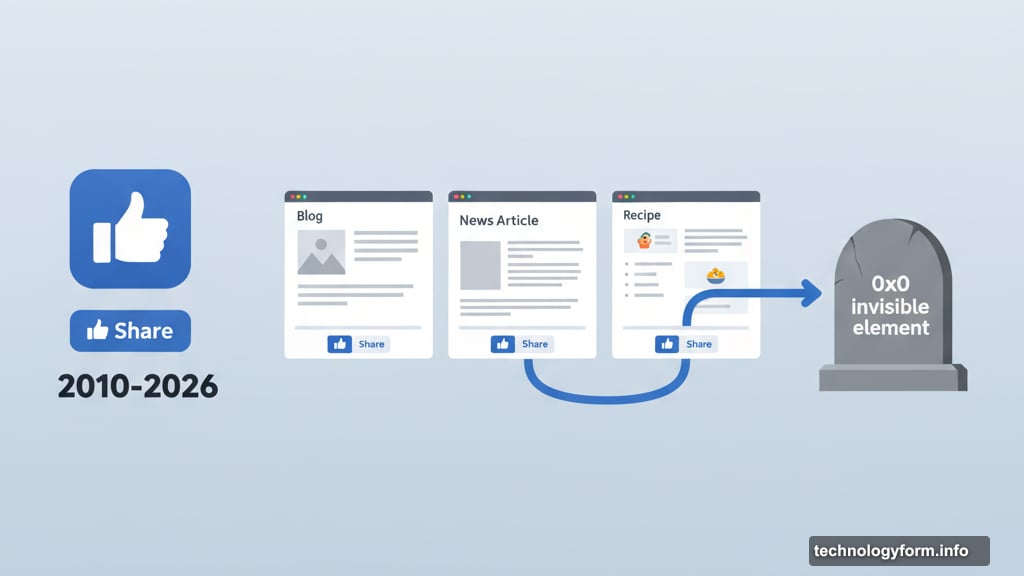
Meta says the buttons will “gracefully degrade” after the shutdown date. That’s tech speak for “they’ll just disappear quietly.” The plugins will render as invisible 0x0 elements on your page.
However, you can remove the code early if you want. Some site owners might prefer cleaning up their templates now rather than waiting. Plus, removing unused code is always good practice for site performance.
Still, most websites won’t experience any breaking changes or errors. The buttons will simply vanish without causing problems.
Why Meta Is Making This Move
Meta’s official explanation sounds diplomatic. They claim these plugins “reflect an earlier era of web development” and that usage has declined as the digital landscape evolved.
Translation? Nobody uses them anymore.
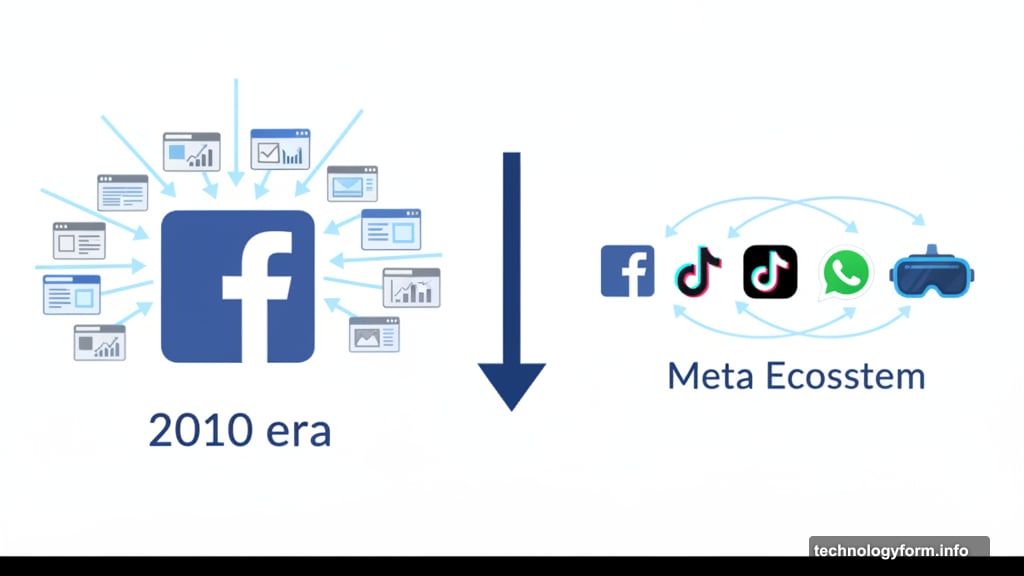
That’s partly because Facebook itself plays a smaller role in people’s lives than it did in 2010. The social network isn’t where most people discover news and content anymore. Instagram, TikTok, and recommendation algorithms took over that job.
Moreover, Meta’s business focus shifted dramatically. Facebook is just one piece of a larger operation that includes Instagram, WhatsApp, and the company’s massive investment in VR and AI. Those old sharing plugins don’t fit into Meta’s current strategy.
The Decline of Facebook-Powered Web Traffic
Remember when Facebook was the primary way articles went viral? Sites would publish content, people would click Like or Share, and suddenly thousands of readers would flood in.
That model is mostly dead now. Facebook changed its algorithm years ago to deprioritize news content and external links. The platform wants users engaging with videos, Reels, and content created directly on Facebook. External links just don’t get the same reach anymore.
So it makes sense that usage of these plugins declined. Why would publishers prioritize Facebook sharing when the platform barely shows those shared links to anyone?
Plus, modern websites typically integrate with multiple social networks now. You’ll see Twitter/X buttons, LinkedIn shares, Pinterest pins, and maybe Instagram mentions. Relying on just Facebook integration feels antiquated.
What This Means for Publishers and Bloggers
For most sites, this change won’t matter much. Traffic from Facebook external shares probably dried up years ago anyway.
But there’s a symbolic loss here. Those Like and Share buttons represented a different internet. One where social networks helped distribute content rather than competing against external websites for attention.
Now Meta is explicitly abandoning that model. The message is clear: they want content created on their platforms, not shared from elsewhere.
Small publishers and bloggers took the biggest hit from this shift. Many built their audiences through Facebook distribution in the 2010s. When Facebook changed its algorithm to favor native content, those traffic sources collapsed. Removing the plugins is just Meta officially acknowledging what already happened.
The Bigger Pattern Nobody Talks About
This plugin discontinuation is part of a larger trend. Tech platforms are retreating from the open web and building walled gardens instead.
Facebook stopped being a place to share interesting links. Instagram barely lets you include links at all. TikTok keeps users inside its app. Twitter/X under Elon Musk actively deprioritizes external links in favor of tweets and replies.
Every major platform now prefers you create content directly on their service. Sharing from external websites? That’s so 2010.
Meta killing these plugins is just making that preference official. The era of social networks amplifying external content is over. Now they’re competitors fighting for attention against every other website.
What Comes Next
Honestly? Probably nothing dramatic. Most websites will notice the buttons disappeared and shrug.
Some might replace them with newer social sharing options. Others will just remove social buttons entirely and focus on email lists or other distribution methods. The smartest publishers already diversified their traffic sources years ago.
But this change does mark an inflection point. The internet built around social sharing is dead. We’re in a new phase where platforms hoard attention and fight against sending users anywhere else.
Meta isn’t killing these plugins because they’re outdated. They’re killing them because the company has no interest in driving traffic to external websites anymore. That’s not where the money is.
So long, Like button. You had a good run. But Facebook moved on long before it officially pulled your plug.