Airbnb Wants to Stock Your Fridge Before You Arrive
Airbnb just rolled out something clever. Soon, you can order groceries before your trip and find them waiting in the fridge when you walk through the door.
No more scrambling for breakfast supplies after a late flight. No more hunting for the nearest grocery store in an unfamiliar city. Just open the fridge and start your vacation.
Here’s how it works and why hosts are actually getting paid to participate.
Instacart Integration Changes the Game
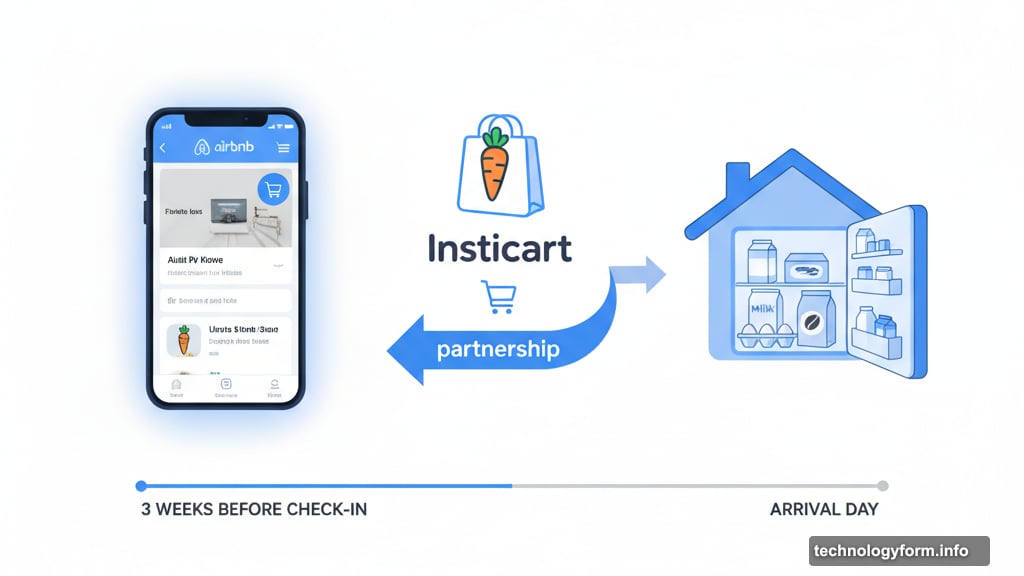
Airbnb partnered with Instacart to let guests pre-order groceries up to three weeks before check-in. You pick what you want. Someone else puts it away.
That someone? Your host. But they’re not doing it for free.
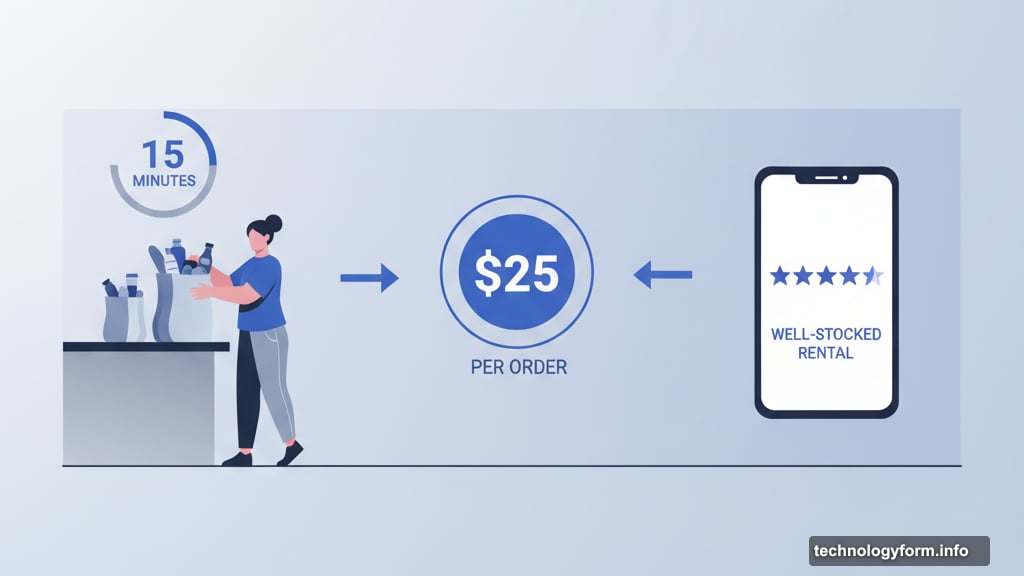
Airbnb pays hosts $25 for each completed grocery order. That’s $25 just to unpack bags and stock a fridge. Plus, the service runs through the booking platform, so hosts don’t need separate apps or accounts.
The timing matters too. Guests can place orders weeks ahead, which means planning that family reunion dinner or holiday gathering just got easier. No more coordinating who brings what or making emergency grocery runs on arrival day.
Testing Starts Small in January
This pilot program launches January 5 in select US markets. Phoenix, Orlando, and Los Angeles made the cut initially.
Only certain hosts can participate for now. Airbnb wants to test how both guests and hosts respond before rolling this out nationwide. The trial runs for three months, which gives them enough data to spot problems and measure demand.
During your actual stay, you can still order Instacart directly. But then you’re putting away your own groceries like a regular person. The pre-arrival service is where the real convenience hits.
Why Hosts Might Actually Like This
Twenty-five dollars doesn’t sound like much. But consider what hosts get in return.
First, it’s easy money for maybe 15 minutes of work. Unpack bags, organize items, done. That’s $100 per hour if you’re efficient.
Second, well-stocked rentals get better reviews. Guests who find milk, eggs, and coffee waiting feel taken care of. That translates to higher ratings and more bookings.
Third, this keeps guests from cluttering arrival time with grocery runs. Less traffic through the property means fewer disruptions for hosts managing multiple properties.
The incentive structure makes sense for both sides. Guests pay for convenience. Hosts get compensated for providing it. Airbnb takes a cut somewhere in the middle.
Airbnb Keeps Adding Weird Partnerships
This isn’t Airbnb’s first unexpected collaboration. Last year, they teamed up with ChargePoint to offer hosts discounts on EV chargers.
The strategy is clear. Add services that make properties more attractive without requiring Airbnb to build infrastructure themselves. Partner with companies that already solved specific problems.
Grocery delivery fits this pattern perfectly. Instacart already handles logistics, delivery networks, and inventory management. Airbnb just connects their users to an existing service and takes their cut.
What’s next? Laundry service partnerships? Pre-stocked bar supplies? Pet care coordination? The platform keeps testing what travelers actually want beyond just a place to sleep.
The Convenience Arms Race Continues
Every travel platform is scrambling to add more services. Hotels offer mobile check-in. Airlines let you pre-order meals. Rental car companies now deliver vehicles to your location.
Airbnb faces unique challenges though. They don’t control the properties. Everything depends on individual hosts agreeing to participate. So they need to make these services attractive enough that hosts opt in voluntarily.
The $25 payment is their solution. It’s not charity. It’s a calculated cost to build a network of hosts willing to provide grocery services. If the pilot succeeds, expect that payment to become permanent.
But here’s my question. Will guests actually use this? Or is it one of those features that sounds great in theory but barely gets used in practice? We’ll find out in three months when Airbnb reviews the pilot results.
For now, if you’re booking an Airbnb in Phoenix, Orlando, or LA this spring, you might finally solve the eternal vacation question: “Who’s going to the store for breakfast stuff?”