Hero Just Built an AI That Finishes Your Prompts. Here’s Why That Matters
Prompt engineering is dying. Good riddance.
If you’ve spent hours tweaking prompts to get AI chatbots to understand what you want, you know the pain. Hero, a productivity startup from former Meta engineers, just launched something that could fix this mess. It’s an SDK that autocompletes your AI prompts based on context.
The tool is invite-only for now. But developers can already integrate it into their apps. And the implications go way beyond just saving time.
How Prompt Autocomplete Actually Works
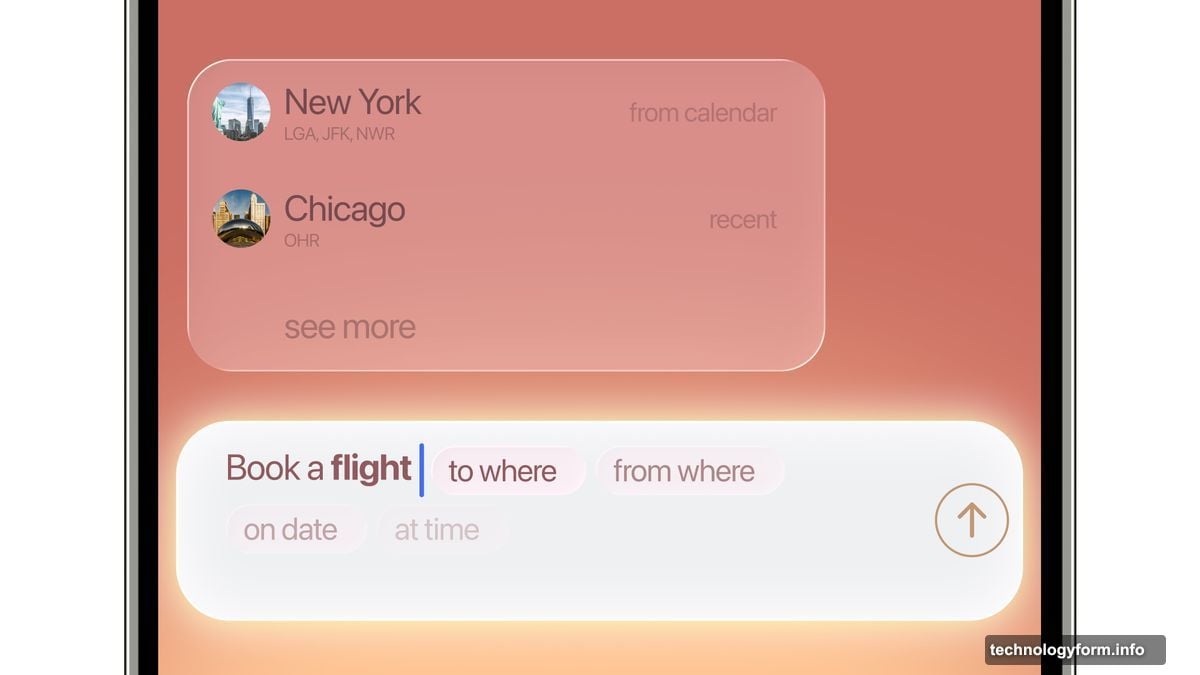
Think of it like Gmail’s Smart Compose, but for AI instructions.
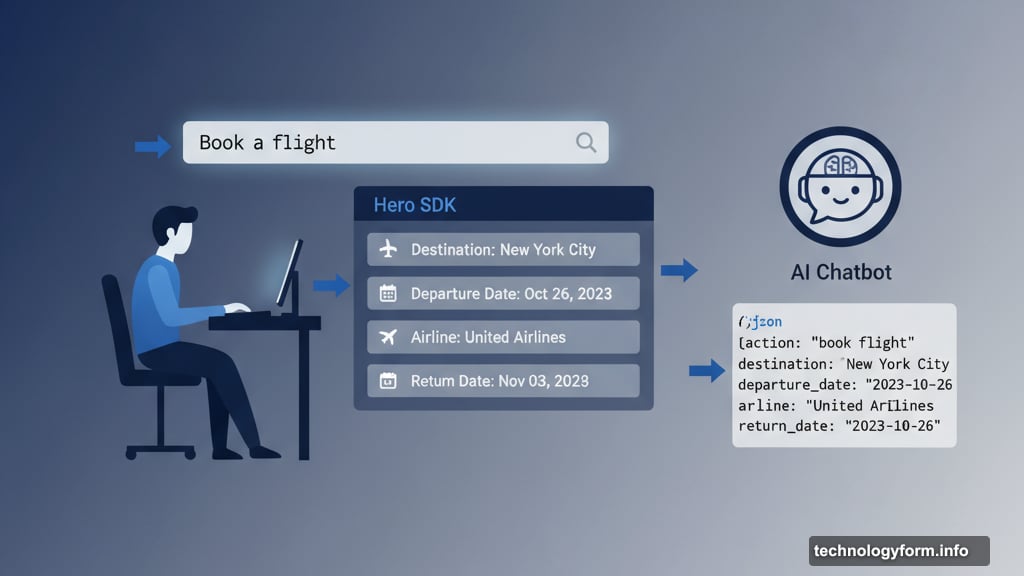
You start typing “Book a flight” and Hero’s SDK kicks in. It immediately suggests fields like destination, departure date, airline, and return date. You can stop at any point and fire off your query. The chatbot gets a complete, structured prompt instead of your half-formed thought.
The same logic applies to image generators. Instead of struggling with abstract descriptions, the autocomplete feeds you parameters like style, lighting, location, and camera angle. You pick what matters. The AI gets clear instructions.
Adobe already does something similar with Firefly’s soundtrack creator. Users fill in mood, style, and purpose through structured fields. The result? Better outputs with fewer attempts.
Why This Fixes AI’s Biggest Problem
Most people hate using AI chatbots. Not because the models are bad, but because getting good results requires iteration.
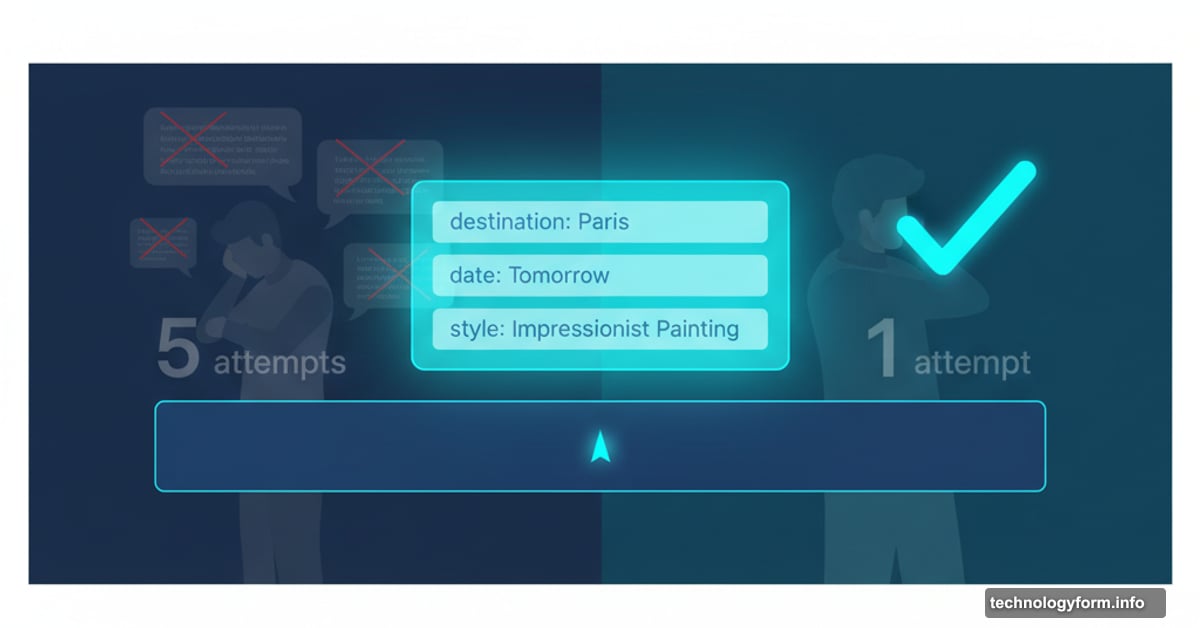
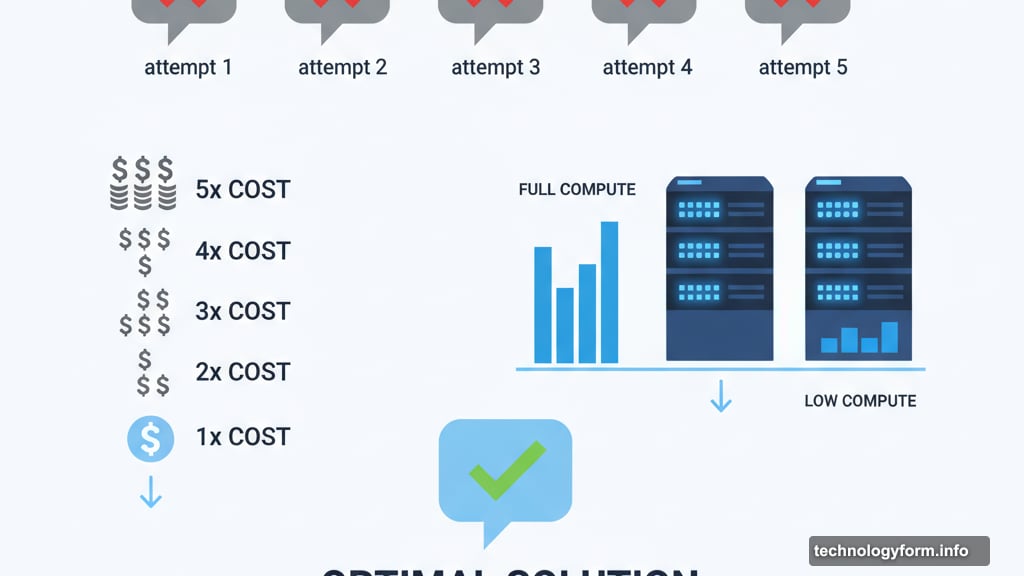
You ask a question. The AI misunderstands. You rephrase. It gets closer. You try again. Finally, on attempt four or five, you get something useful. That’s exhausting.
Hero engineer Saharsh Vedi, who built this feature, said autocomplete can get you to the right answer in one shot. No back-and-forth. Just structured input from the start.
Co-founder Brad Kowalk explained that Hero uses multiple models to predict what you’ll type next. It’s not guessing randomly. The system analyzes context from your previous inputs and common patterns in similar requests.
“With AI autocomplete, we pull forward all the inputs needed to complete an action, finishing it 10 times faster,” Kowalk told TechCrunch. “This unlocks use cases in travel, commerce, ads, and customer support.”
The Hidden Benefit: Cheaper AI at Scale
Here’s something companies won’t advertise but absolutely care about: fewer messages means lower costs.

Every time you chat with an AI, the company running it pays for compute resources. More messages equals higher bills. So when users need five attempts to get what they want, that’s 5x the server cost compared to nailing it on the first try.
Kowalk confirmed that autocomplete reduces these expenses. For startups running AI services, that could mean the difference between profitability and burning cash on infrastructure.
Plus, users get frustrated less often. Better experience, lower costs. That’s a rare win-win.
The Meta Connection You Need to Know
Why did former Meta engineers think to build this? AR glasses.
Kowalk and co-founder Seung W. Lee worked on augmented reality features at Meta. On AR glasses, screen space is precious. You can’t have long conversations with an AI assistant. The interface needs to be simple and fast.
So they designed prompts as structured fields you fill in quickly. Parameters instead of paragraphs. That constraint forced them to solve prompt engineering in a fundamentally different way.
Now they’re bringing that AR-optimized approach to regular apps. And it works even better on phones and computers where you actually have room to display autocomplete suggestions.
What Hero Is Building Next
The startup raised $4 million in seed funding last year. Now it just closed another $3 million led by Forerunner Ventures.
Hero’s testing this tech in its own productivity app first. The feature helps you schedule meetings or plan hangouts with friends through autocomplete prompts. That launches publicly in a couple months.
But the real play is the SDK. Hero wants other developers to embed this autocomplete everywhere. Imagine every AI-powered app having structured prompts instead of blank text boxes.
The company is also talking with Koah Labs, an ad tech startup, about AI-powered ads. Brands could appear in autocomplete suggestions. Type “book a flight to” and airlines show up as options. It’s native advertising that actually feels helpful instead of intrusive.
The Catch Nobody Mentions
Autocomplete only works when the AI can predict what you want. That requires understanding context.
But context means data collection. Hero’s models need to analyze your previous inputs, app usage patterns, and common requests. Privacy-conscious users might not love that.
Plus, autocomplete creates a filter bubble. The suggestions you see might limit what you think to ask for. If the AI only offers parameters it knows about, you might never discover features or options outside its training data.
Still, for most users, that tradeoff probably beats the current experience of fumbling through prompts manually.
Why This Matters Beyond Hero
The prompt engineering problem isn’t going away. It’s getting worse.
As AI models become more capable, they also become more sensitive to how you phrase requests. One word change can completely alter results. That’s powerful but frustrating.
Structured prompts solve this by removing ambiguity. The AI knows exactly what each field means because the interface defines it upfront. No more guessing if “professional” means business attire or career advice.
If Hero’s SDK gains traction, we might look back at 2025 as the year prompting stopped being a skill you needed to learn. Instead, apps will guide you through building the perfect query without you even thinking about it.
That’s the real shift here. Not making AI smarter, but making it actually usable for people who don’t want to become prompt engineers.