Jack Dorsey Just Revived Vine. But There’s a Catch
Vine died in 2016. Now it’s back with 100,000 archived videos and a radical anti-AI twist.
Jack Dorsey funded the resurrection through his nonprofit “and Other Stuff.” The new app, called diVine, launches Thursday with restored Vine content and strict rules against generative AI. So while Meta and OpenAI flood feeds with synthetic videos, Dorsey’s betting people miss real human creativity.
Here’s what makes this comeback different from typical tech nostalgia plays.
The Archive Team Saved Vine’s Soul
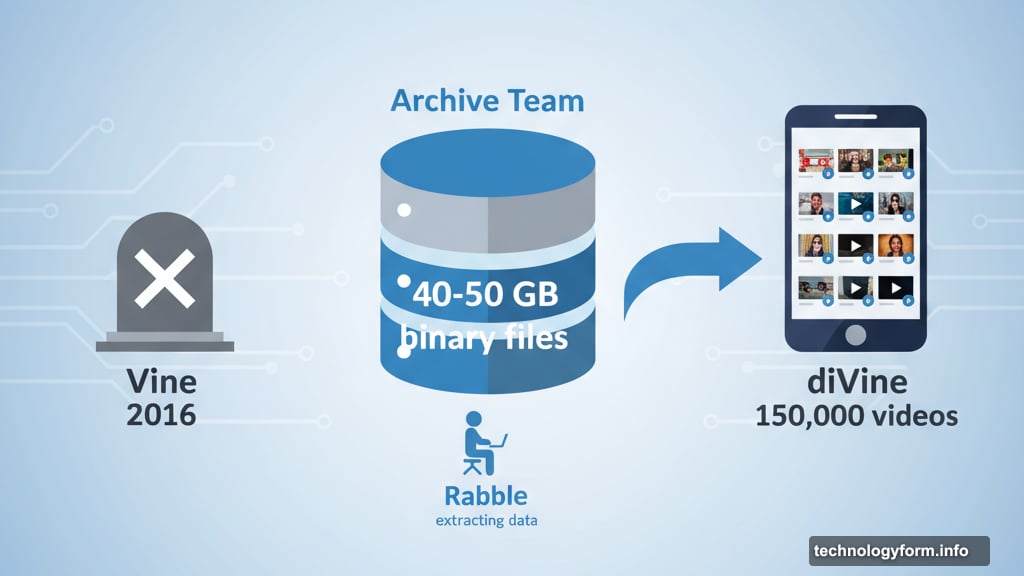
When Twitter killed Vine in 2016, most people assumed those six-second loops vanished forever. But a volunteer group called Archive Team had other plans.
They backed up Vine’s entire library before shutdown. However, they saved everything as massive 40-50 GB binary files. That meant the content existed but remained locked away from anyone who just wanted to watch old Vines.
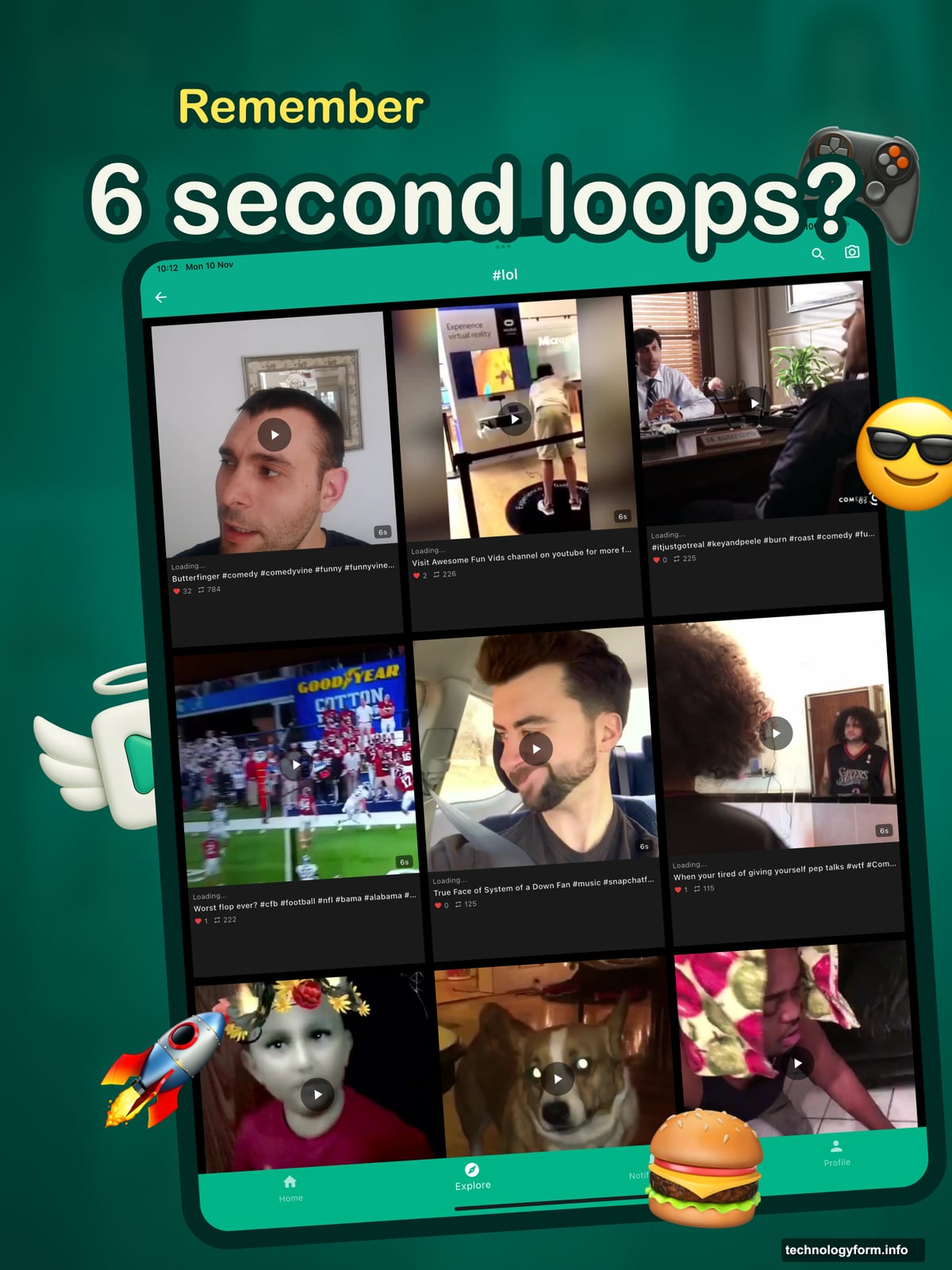
Enter Evan Henshaw-Plath, an early Twitter employee who goes by “Rabble.” He spent months writing data extraction scripts to crack open those files. The result? Around 150,000 to 200,000 videos from roughly 60,000 creators now live again in diVine.
Plus, Rabble reconstructed user profiles, view counts, and even some original comments. That’s serious digital archaeology.
AI Content Gets Blocked at the Door
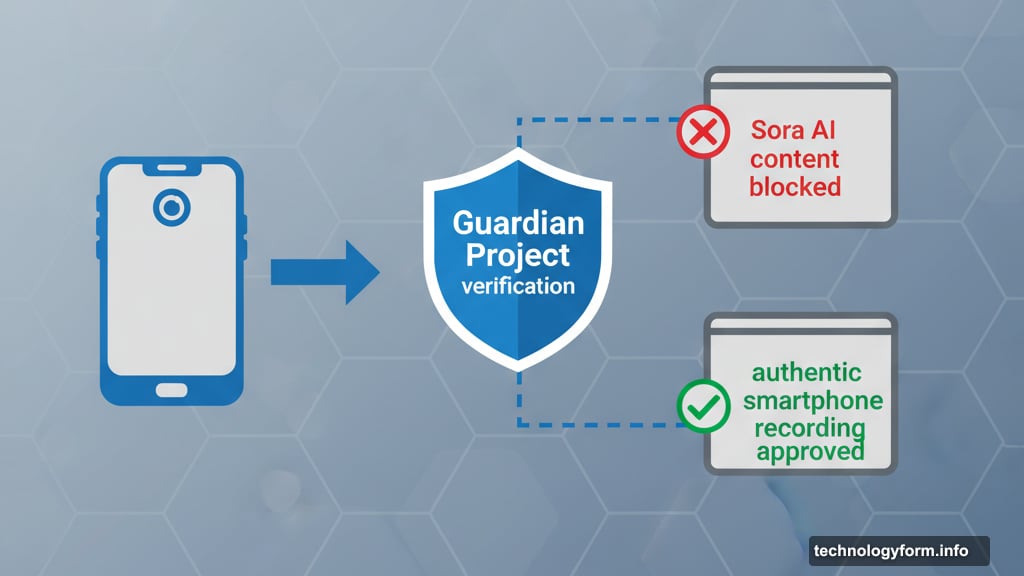
Most social platforms slap “AI-generated” labels on synthetic content after it posts. DiVine takes the opposite approach.
The app uses technology from the Guardian Project to verify videos were actually recorded on smartphones. Additional checks flag suspected AI content before it goes live. So if you try uploading Sora-generated clips, you’re out of luck.
Why such strict rules? Rabble believes people crave authentic human experiences amid the AI content explosion.
“Companies see AI engagement and they think people want it,” he explained. “But we also want agency over our lives and social experiences.”
That philosophy runs counter to Meta AI, ChatGPT video features, and basically every other platform racing to fill feeds with generative content. DiVine bets that nostalgia for real creativity beats algorithmic slop.
Creators Still Own Their Content
Original Vine creators maintain copyright on their videos. That matters because diVine didn’t ask permission before restoring the archive.
Creators can send DMCA takedown requests if they want content removed. Or they can verify ownership by proving they still control the social accounts listed in their old Vine bios. Once verified, they regain full control over their profiles.
They can then post new videos or upload old content that Rabble’s extraction process missed. The team estimates they recovered “a good percentage” of popular Vines but lost many long-tail videos. For instance, millions of K-pop clips never made it into the archive.
Still, 150,000 restored videos beats zero. Plus, the fair use argument seems reasonable since Archive Team already made the content publicly available.
Built on Nostr, Not Corporate Infrastructure
DiVine runs on Nostr, the decentralized protocol Jack Dorsey champions. That means no single company controls the network.
Developers can build their own apps, run their own servers, and create custom experiences on top of the same protocol. It’s open source by design. So if diVine shuts down tomorrow, the protocol and content persist.
“Nostr is empowering developers to create a new generation of apps without VC-backing, toxic business models or huge teams,” Dorsey said in a statement.
That’s a direct shot at venture-backed social platforms that prioritize growth metrics over user experience. Whether decentralized networks actually deliver on that promise remains uncertain. But Dorsey clearly believes traditional social media broke somewhere along the way.
Elon Promised This First
Remember when Elon Musk said he’d bring back Vine? That announcement came in August 2025. He claimed Twitter/X discovered the old archive.
Nothing launched. Months passed. No updates.
Meanwhile, Dorsey funded an entirely separate team to do the same thing. They beat Musk to market with a working app on iOS and Android.
The irony feels thick considering Musk bought Twitter partly to restore its “free speech” roots. Yet Dorsey’s nonprofit moved faster to resurrect one of Twitter’s most beloved products.
The Real Question: Does Anyone Care?
Six-second looping videos feel quaint in 2025. TikTok trained users to expect sophisticated editing, trending sounds, and algorithmic discovery.
Vine’s charm came from constraints. Limited time forced creativity. The loop mechanic rewarded clever endings. But those same constraints might seem limiting now.
Plus, diVine launches without Vine’s original network effects. Those 60,000 restored creator accounts might never post again. New users need to build audiences from scratch. That’s a tough sell when TikTok, Instagram Reels, and YouTube Shorts already dominate short video.
Still, there’s something appealing about authentic human content in an AI-saturated landscape. Maybe enough people miss that era to give diVine a shot.
The app’s available now at diVine.video. Whether it catches on or joins the pile of failed social experiments depends on whether nostalgia beats convenience.