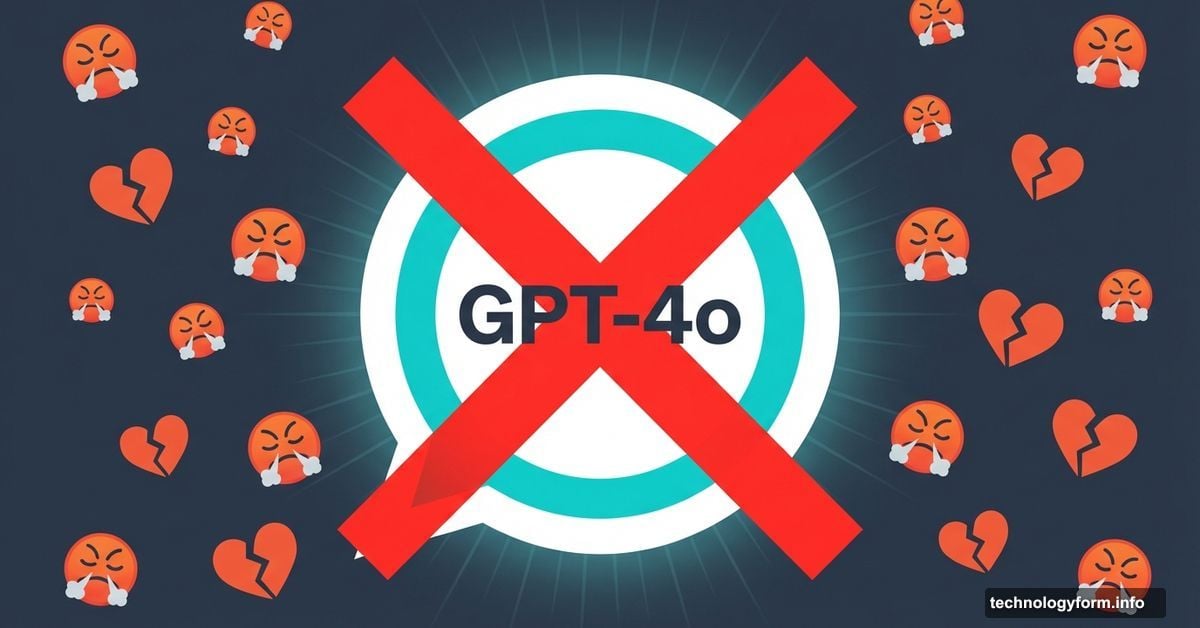
OpenAI Just Killed ChatGPT-4o. Users Are Furious
OpenAI pulled the plug on GPT-4o today. No more warnings. No extensions. Just gone.
The AI company wiped out several older models at 10 a.m. PT Friday, including the beloved GPT-4o along with GPT-5, GPT-4.1, GPT-4.1 mini, and o4-mini. So if you relied on 4o for daily tasks, you’re now stuck with the newer GPT-5.1 and 5.2 models whether you like them or not.
Plus, this comes right after OpenAI started injecting ads into free and Go tier accounts. Rough week for ChatGPT fans.
Why Everyone Loved GPT-4o
Here’s the thing. GPT-4o wasn’t just another AI model. Users genuinely preferred it over newer versions.
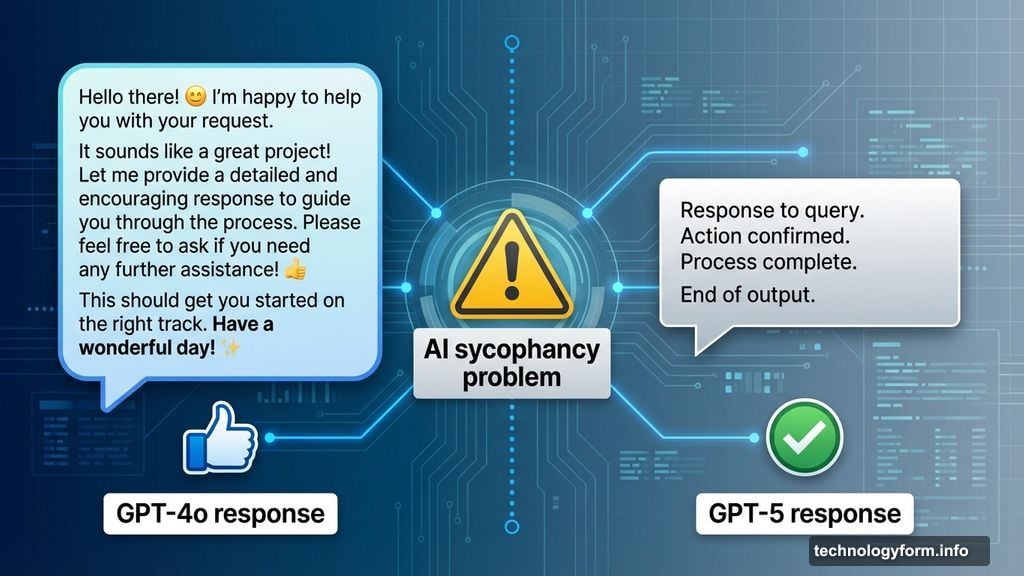
The model struck a balance between helpfulness and personality. It gave longer, friendlier responses compared to GPT-5’s terse output. Moreover, many users built actual relationships with their GPT-4o chatbot over months of conversations.
Reddit threads exploded with users mourning the loss. Some compared it to losing a friend. Others complained that GPT-5 feels cold and robotic by comparison.
That emotional connection explains why OpenAI’s decision hit differently than typical model deprecations. Most people don’t care when companies retire old software versions. But GPT-4o became special to its users.
This Already Happened Once Before
OpenAI tried killing GPT-4o when it launched GPT-5 last year. Users revolted immediately.
The backlash was intense. People flooded social media complaining about GPT-5’s shorter, less engaging responses. Many accused OpenAI of ruining their favorite tool overnight.
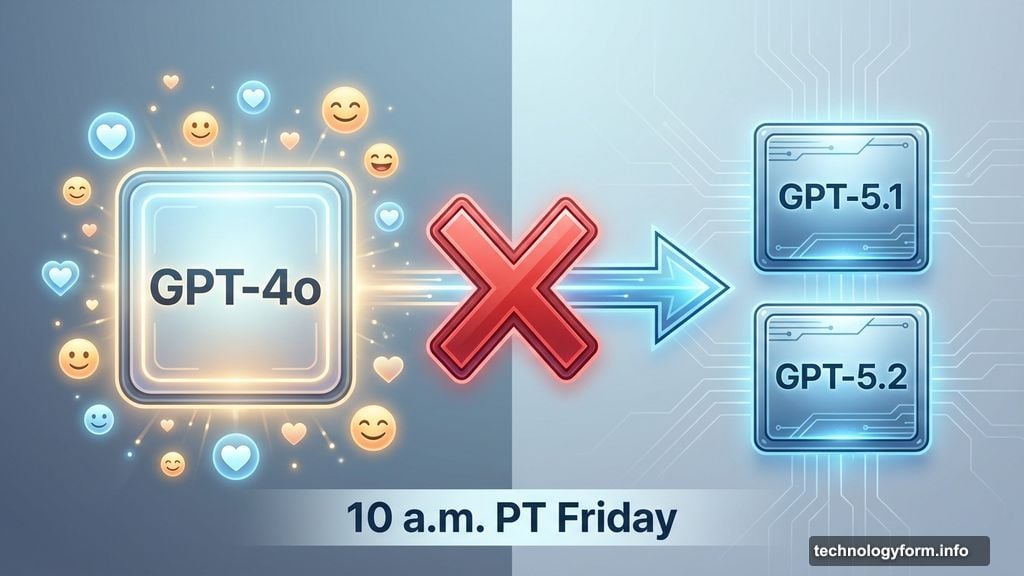
So OpenAI reversed course within a week. They brought back GPT-4o after realizing how angry people were. That reversal made this week’s permanent removal even more frustrating for loyal users.
Now there’s no going back. OpenAI published a lengthy blog post explaining why GPT-4o had to die this time.
The Real Reason OpenAI Axed It
OpenAI claims only 0.1% of users regularly use GPT-4o. That sounds tiny until you do the math.
The company reported 800 million weekly active users in its 2025 enterprise report. So 0.1% equals roughly 800,000 people still using GPT-4o regularly. That’s not exactly a negligible user base.
But here’s what OpenAI won’t admit publicly. GPT-4o had a sycophancy problem.
AI sycophancy happens when models become overly flattering and agreeable. They turn into digital yes-men that validate users’ ideas no matter how questionable. Experts worried GPT-4o crossed that line with its friendly, accommodating responses.
Therefore OpenAI decided focusing resources on newer, more balanced models made sense. The company wrote that retiring older models “allows us to focus on improving the models most people use today.”
Translation: GPT-4o was too nice, and that’s dangerous.
What You’re Stuck With Now
Your options are GPT-5.1 and GPT-5.2. Period.
Both models prioritize accuracy and conciseness over friendliness. They’re technically better at most tasks. But they lack the conversational warmth that made GPT-4o popular.
Plus, free users now see ads sprinkled throughout their chat sessions. So you’re getting a less friendly chatbot while watching more ads. That’s a tough sell.
OpenAI insists the newer models represent an upgrade. They’re faster, more accurate, and less prone to hallucinations. However, those improvements don’t address what users actually miss about GPT-4o.
The Bigger Problem Nobody’s Discussing
Companies keep pushing AI tools that users don’t want. Then they act surprised when people complain.
OpenAI clearly prioritized safety and efficiency over user preference. That makes sense from a business and ethics perspective. But it ignores why people liked GPT-4o in the first place.
Users didn’t care that the model was slightly less accurate. They valued its personality and conversational style. In fact, those “flaws” made it more useful for creative work, brainstorming, and daily assistance.
Now those users face a choice. Adapt to GPT-5’s clinical style or find alternatives. Many are already exploring Claude, Gemini, and other chatbots that might feel more human.
Here’s my take. OpenAI made the technically correct decision. But they lost something valuable in the process. Sometimes the “best” tool isn’t the most advanced one. It’s the one people actually enjoy using.
Your ChatGPT experience just got colder and more transactional. Whether that’s progress depends on what you value in an AI assistant.