Anthropic’s $1.5 Billion AI Copyright Deal Is Almost Done
Nearly 100,000 authors filed claims. Less than 0.5% opted out. The class has spoken loud and clear.
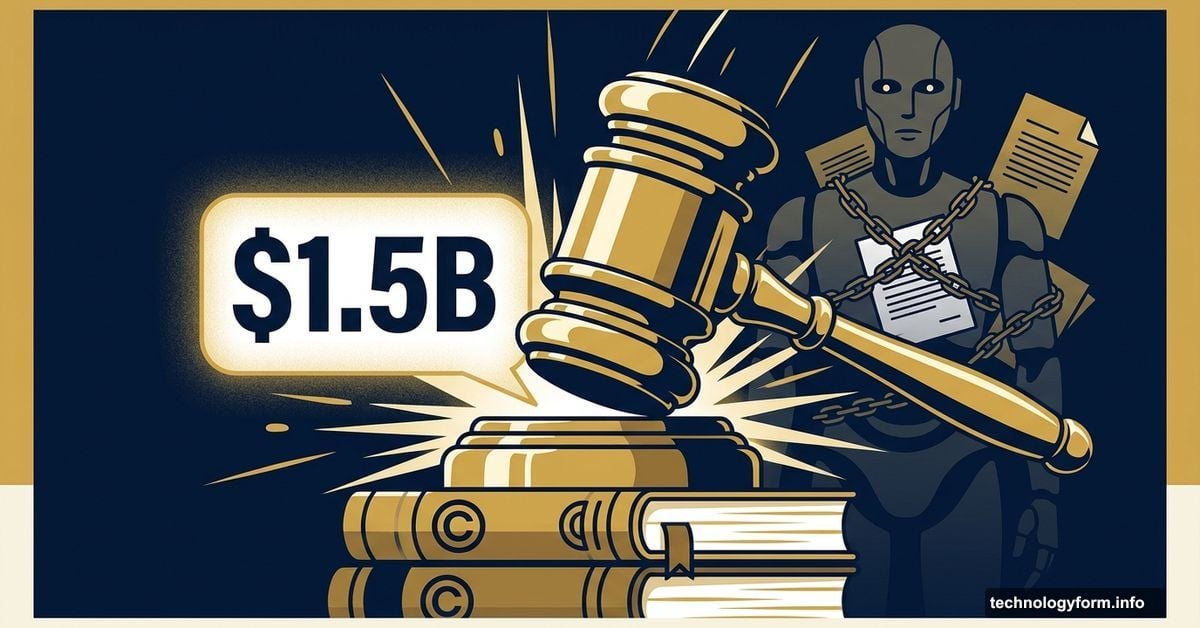
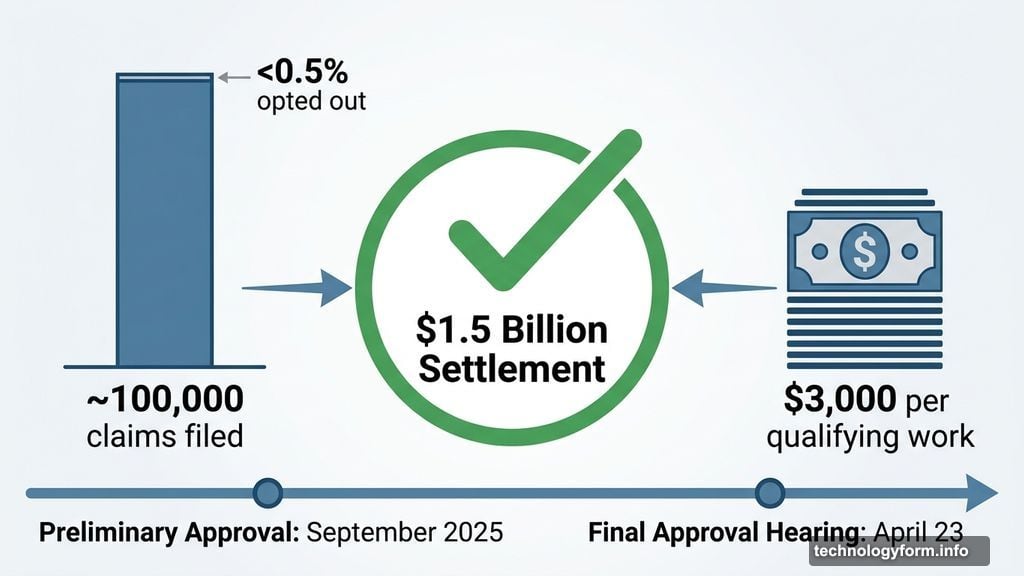
The landmark copyright case between authors and Anthropic is racing toward its finish line, and the numbers tell a compelling story. With the final approval hearing scheduled for April 23 and the claims deadline hitting March 30, one of the most significant legal battles in AI history is almost wrapped up.
The Copyright Lawsuit That Shook Silicon Valley
This whole saga started with a serious allegation. Authors claimed Anthropic illegally downloaded more than 500,000 copyrighted works from pirated content websites to train its Claude AI chatbot. Specifically, the lawsuit named Library Genesis and Pirate Library Mirror as the sources of that pirated content.
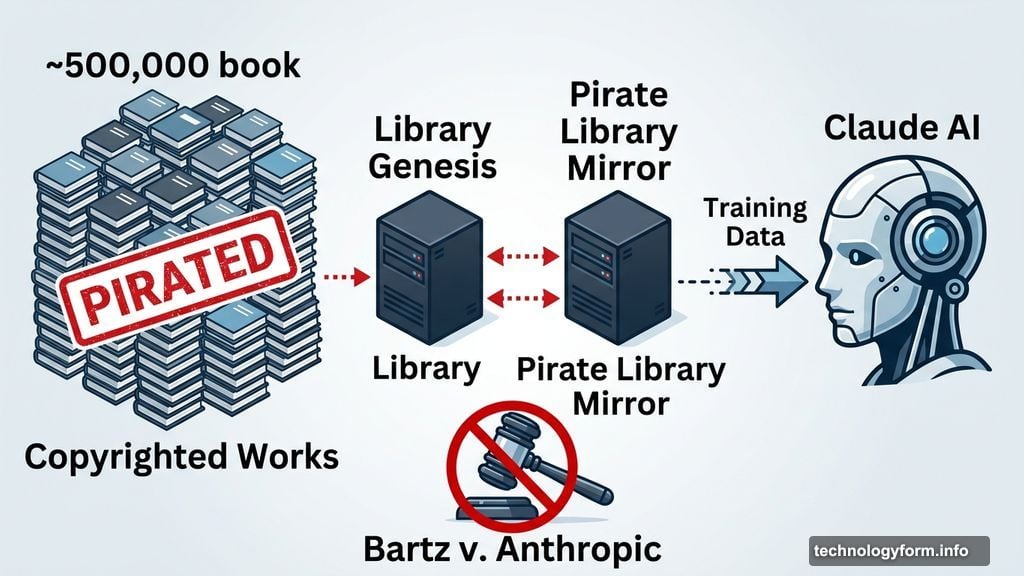
The case, known as Bartz v. Anthropic, isn’t just big by AI standards. It’s set to become the largest copyright payout in history. And it’s the first case of its kind involving a major AI company to actually reach a settlement.
What Authors Get Out of This
The money side of things breaks down like this. Anthropic agreed to pay $1.5 billion in total, with individual authors receiving $3,000 per qualifying work. That settlement received preliminary approval back in September 2025.
Since claims opened, the response has been overwhelming. Close to 100,000 claims poured in, and fewer than 0.5% of eligible class members decided to opt out. The plaintiffs summed it up perfectly in their final approval motion: “The class has spoken.”
Plus, the financial payout isn’t the only win here. Under the settlement terms, Anthropic certified that it didn’t use any pirated content in any released version of Claude. The company also promised to destroy all pirated copies of class members’ works. That’s a meaningful commitment beyond just writing a check.
Why Final Approval Took This Long
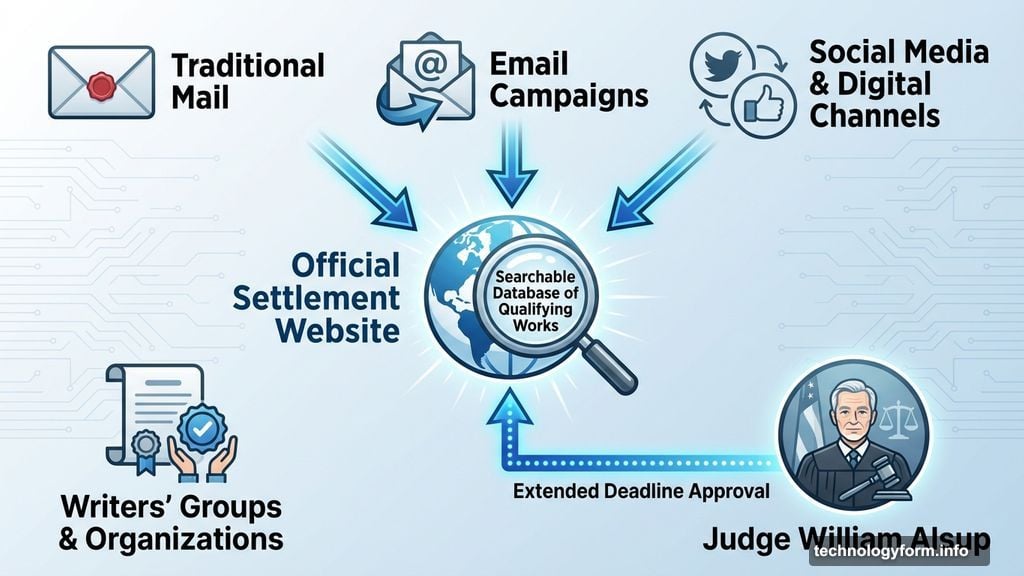
The path to final approval wasn’t completely smooth. US District Judge William Alsup initially held back approval because he worried eligible authors wouldn’t have enough time to join the settlement before the deadline.
So the parties launched an extensive outreach campaign to find qualifying authors. That effort covered traditional mail, email campaigns, social media and other digital channels, plus professional and informal networks across the author and publisher community. An official settlement website also went live, featuring a searchable database of qualifying works along with all the key documents and dates.
That extra effort clearly paid off. The final motion for approval now includes statements of support from multiple writers’ groups and organizations, suggesting the literary community largely backs the deal.
What This Means for AI and Copyright Law
This case matters well beyond the authors who filed claims. For the AI industry, it sets a real precedent about how training data gets sourced and what happens when companies cross legal lines.
Other AI companies currently face similar lawsuits from authors, musicians, and visual artists. How those cases unfold could depend heavily on how this settlement gets treated as a model going forward. A final approval on April 23 would put a firm stake in the ground about accountability in AI training practices.
For authors specifically, the outcome validates something important. Creative work has legal protection, and AI companies can’t simply scrape copyrighted material without consequences. That’s a principle worth establishing clearly, and this case does exactly that.
The April 23 hearing will likely be a formality at this point. With near-universal participation from the class and broad support from writers’ organizations, the settlement appears headed for final approval. When that gavel drops, it’ll close a chapter that the publishing world and the AI industry won’t forget anytime soon.