OpenAI’s Codex Just Got Bigger. It’s Building Toward a Super App.
OpenAI’s Codex coding platform just picked up a wave of new features — and the goal is far more ambitious than better code suggestions.
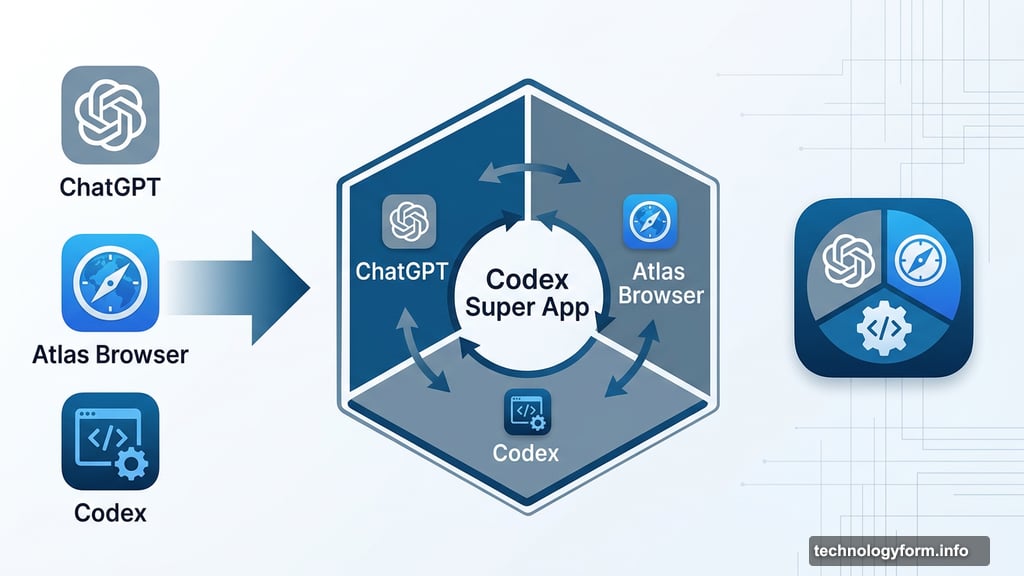
The company confirmed this week that Codex is the foundation for a future super app. Think ChatGPT, its Atlas browser, and Codex all rolled into one. And these latest updates? They’re just the first phase of getting there.
Codex Is Now Way More Than a Coding Tool
Here’s something surprising. Nearly half of all Codex usage isn’t coding at all.
OpenAI currently counts more than 3 million weekly users on the platform. But a huge chunk of them are using it for general productivity tasks. So the company leaned into that reality and expanded what Codex can do across your entire workday.
Thibault Sottiaux, the engineering lead for Codex, put it plainly to reporters this week: “We’re actually doing the sneaky thing where we’re building the super app in the open and evolving it out of the Codex app.” That’s a refreshingly honest way to describe a pretty bold strategy.
Multi-Agent Support Across Your Desktop Apps
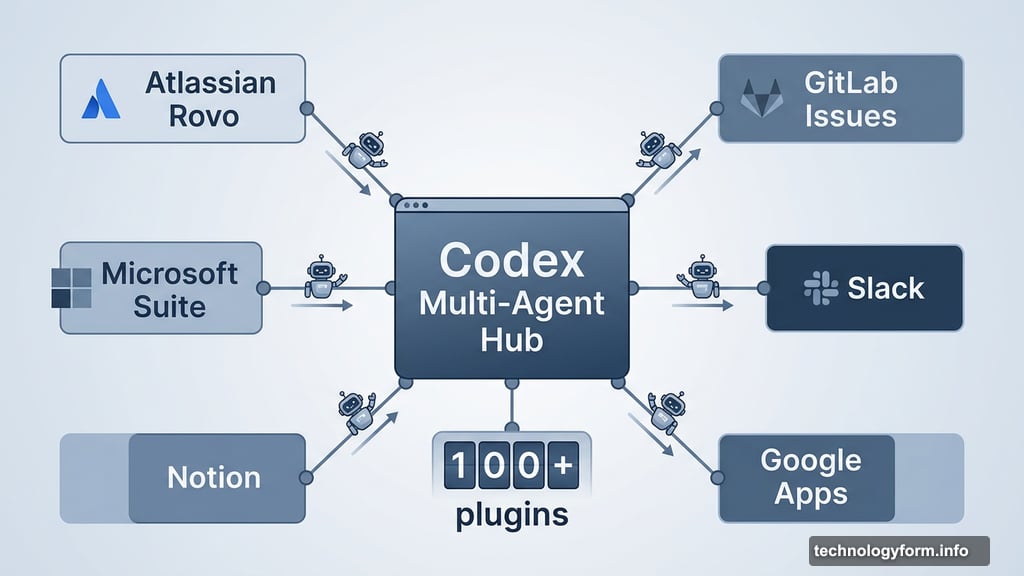
The biggest update here is multi-agent functionality. Codex can now run multiple AI agents across the apps already living on your computer — not just inside ChatGPT.
More than 100 new plugins are available for developers right now. The list includes some heavy hitters: Atlassian Rovo, CircleCI, CodeRabbit, GitLab Issues, the full Microsoft Suite, and Neon by Databricks. Plus, you can connect Codex to Slack, Notion, and your Google apps.
The logic makes sense. The more of your digital work life Codex can see, the more useful it becomes. It’s building a picture of how you work and what you need.
Agentic Automation and Smarter Memory
Codex also got a significant memory upgrade. It now learns your work style over time and adapts to it — less like a static tool and more like a capable assistant who’s been paying attention.
The new Automations feature takes that even further. You can schedule what OpenAI calls “heartbeats” — recurring tasks Codex runs on its own. For example, it can constantly scan your messages and flag what actually needs your attention. You can also set it up to deliver briefings at the start and end of your day, like a personal morning and evening summary.
That’s genuinely useful stuff, especially for developers juggling multiple projects and communication channels at once.
In-App Browsers and GPT Image 1.5
Developers also get a new in-app browser inside Codex. So when you’re building something, you can preview it directly within the app — seeing exactly how it’ll look in a real web browser without switching contexts.
Better yet, you can leave comments right on the browser preview. Codex’s agents pick those up and make the edits. It’s a much faster feedback loop than the usual build-check-adjust cycle.
On top of that, AI image generation is coming to Codex through GPT Image 1.5. That means you can make iterative changes to photos and visual assets right alongside your code.
The Pricing Picture
OpenAI recently introduced a new plan at $100 per month — half the cost of its standard ChatGPT Pro plan — with higher Codex usage limits. That’s a smart move. Developers and vibe coders burn through more tokens than average users, so a cheaper entry point with room to scale matters.
For context, Anthropic’s Claude Code launched earlier this year and made a real splash, impressing both enthusiasts and investors with its capabilities. The coding AI space is genuinely competitive right now, and OpenAI knows it.
Why This All Points Somewhere Bigger
What’s interesting about these updates isn’t any single feature. It’s the direction they’re all pointing.
Codex started as a focused coding tool less than a year ago. Now it has cross-app agents, automated scheduling, memory, browsing, and image generation. That’s not a coding assistant anymore. That’s the scaffolding for something much larger.
OpenAI is building the super app in plain sight. And if the next phases keep this pace, Codex could look very different by this time next year.