Google Just Appealed Its Search Monopoly Ruling. Here’s the Catch
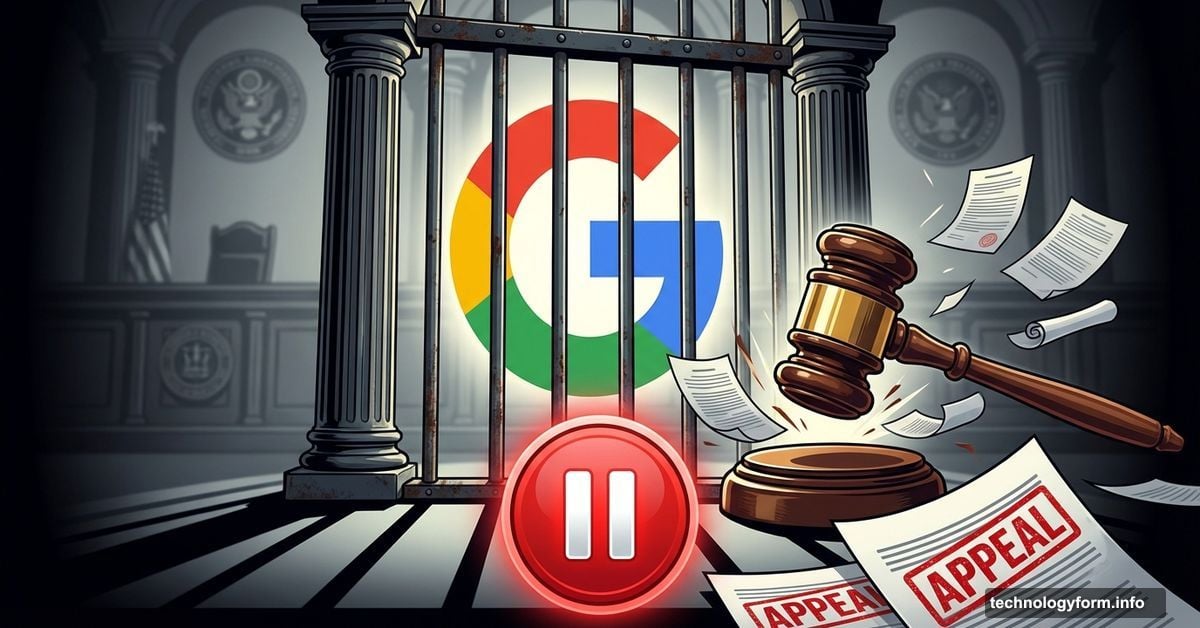
Google lost big last year. A federal judge ruled the company ran an illegal search monopoly. Now Google’s fighting back with an appeal—and asking the court to hit pause on everything.
The company filed its appeal notice on Friday. But here’s what matters more: Google wants all court-ordered remedies frozen while the appeal drags through higher courts. That could delay any real changes for years.
What the Original Ruling Actually Said
Judge Amit Mehta didn’t mince words back in 2024. He found Google maintained an illegal monopoly over general search services and search text advertising.
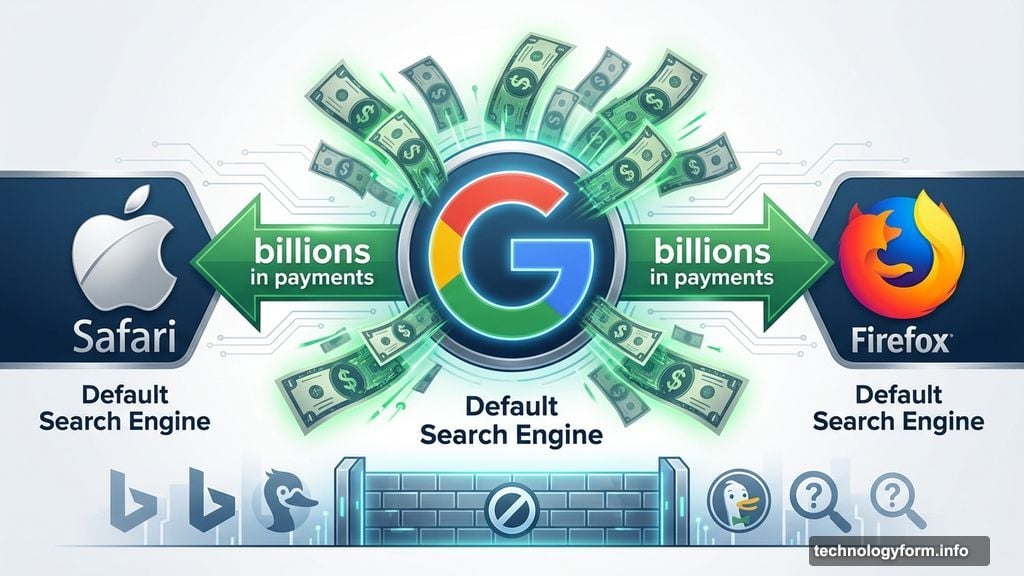
The problem? Exclusive contracts with phone makers and browsers. Google paid billions to companies like Apple and Mozilla to make its search engine the default option. Those deals locked out competitors who couldn’t match Google’s deep pockets.
Mehta’s ruling captured the dilemma perfectly. Partner companies concluded “it is financially infeasible to switch” away from Google. We’re talking about Fortune 500 companies with nowhere else to turn. They couldn’t afford to sacrifice hundreds of millions—sometimes billions—in revenue share payments from Google.
So the monopoly became self-reinforcing. Google’s money kept competitors out. That lack of competition meant Google could keep charging high ad prices. Those profits funded even bigger exclusivity deals. Round and round.
The Remedies Google Wants Blocked
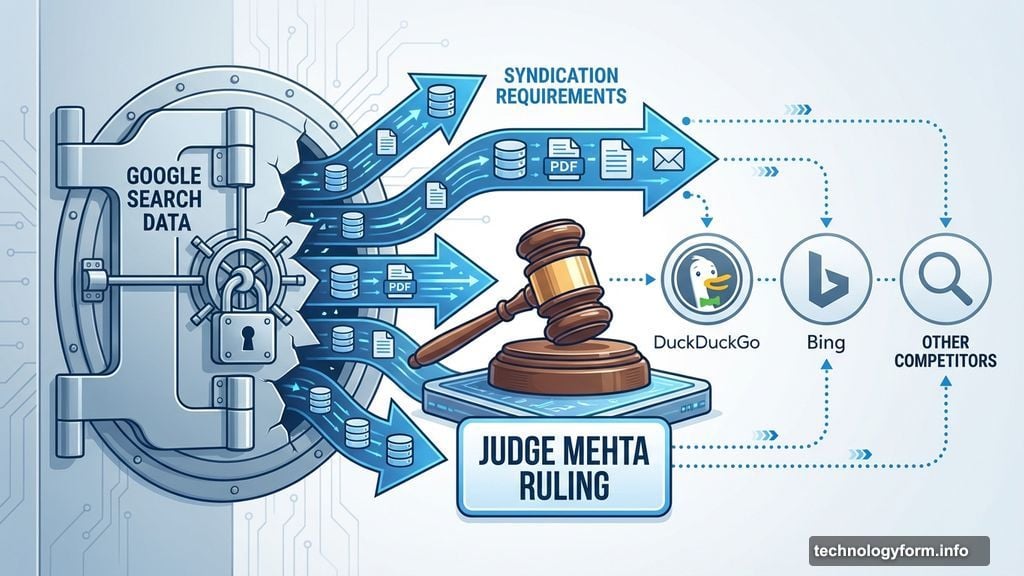
The judge ordered specific fixes to restore competition. Google must share search data with rivals. Plus, it has to syndicate services to competitors trying to build alternative search products.
Google’s now asking courts to pause those requirements. The company argues these measures “would risk Americans’ privacy and discourage competitors from building their own products.”
That’s a creative spin on forced data sharing. Google frames helping competitors as somehow hurting innovation. But the whole point is that Google’s exclusive deals already killed innovation by starving rivals of the data they need.
Lee-Anne Mulholland, Google’s VP of regulatory affairs, doubled down on the company line. She claims the ruling “ignored the reality that people use Google because they want to, not because they’re forced to.”
But that misses the judge’s actual finding. Sure, people choose Google. The problem is they never had real alternatives because Google’s contracts kept rivals from reaching users in the first place.
What the DOJ Wanted But Didn’t Get
The Department of Justice pushed for a Chrome browser sale. Regulators argued Chrome serves as a critical distribution point for Google’s search monopoly.
Mehta declined. Instead of breaking up the company, he focused on data sharing and syndication requirements. That’s still significant—giving competitors access to search data could help them build better products.
Yet Google treats even these lighter remedies as doomsday scenarios. The company warns about privacy risks and innovation damage. Meanwhile, it’s the same company that built a search monopoly by paying away competition.
This Fight Stretches Years Into the Future
Google couldn’t appeal until Mehta issued his final remedies ruling in September 2025. Now the appeals process begins.
Appeals courts will review the monopoly finding first. Then they’ll evaluate whether Mehta’s remedies make sense. If either side loses there, the Supreme Court becomes an option.
That means real changes won’t happen anytime soon. Google gets to maintain its dominant position while lawyers argue. Competitors keep waiting for the data access that might let them build viable alternatives.
The DOJ filed this lawsuit back in October 2020. We’re in 2026 now. At this pace, meaningful remedies could arrive in 2028 or later—nearly a decade after the government first took action.
The Stakes Behind the Delay
Every month Google delays remedies is another month competitors can’t access the data they need. Search engine alternatives require massive datasets to train their algorithms and improve results.
Without that data, rivals stay trapped behind Google’s head start. The monopoly persists not because Google’s search is unbeatable, but because Google’s contracts and data hoarding prevent real competition from emerging.
Plus, the landscape keeps shifting. AI-powered search is exploding. OpenAI’s SearchGPT and other AI search tools could disrupt Google’s dominance—but only if they can access enough data to compete on quality.
Google’s appeal strategy preserves its advantages during this critical transition period. By the time courts finish deliberating, the entire search market might look different. Google’s banking on that.
Nobody’s Buying Google’s Defense
Google claims it faces “intense competition” from “well-funded start-ups.” That rings hollow when you remember the judge’s findings.
Those Fortune 500 browser makers testified they picked Google because they couldn’t afford not to. The revenue share payments matter too much. Apple reportedly gets over $10 billion annually just for making Google the default Safari search engine.
That’s not competition. That’s paying to avoid competition.
Mozilla, Firefox’s maker, derives the vast majority of its revenue from Google’s default search deal. Mozilla can’t realistically switch—losing that money would devastate the organization.
So Google’s “people choose us because we’re better” argument ignores economic reality. Users pick Google partly because it’s good. But mostly because Google’s paid to be the only real option on most devices and browsers.
What Happens Next
The appeals court will review Mehta’s monopoly ruling and remedies decision. Google will argue the judge got it wrong. The DOJ will defend the findings.
Meanwhile, Google operates exactly as before. No data sharing. No syndication requirements. Business as usual.
That’s the real win for Google—buying time. Even if it ultimately loses the appeal, those years of delay preserve billions in monopoly profits and prevent rivals from gaining ground.
The case might reach the Supreme Court by 2027 or 2028. Final implementation of remedies could stretch into the 2030s. By then, who knows what search even looks like.
Your search options won’t expand until courts finish deliberating. Google maintains its grip through the entire appeals process. Competition stays locked out while lawyers argue procedure.
That’s how monopolies defend themselves. Not by winning every battle, but by making the war too long and expensive for anyone else to fight.