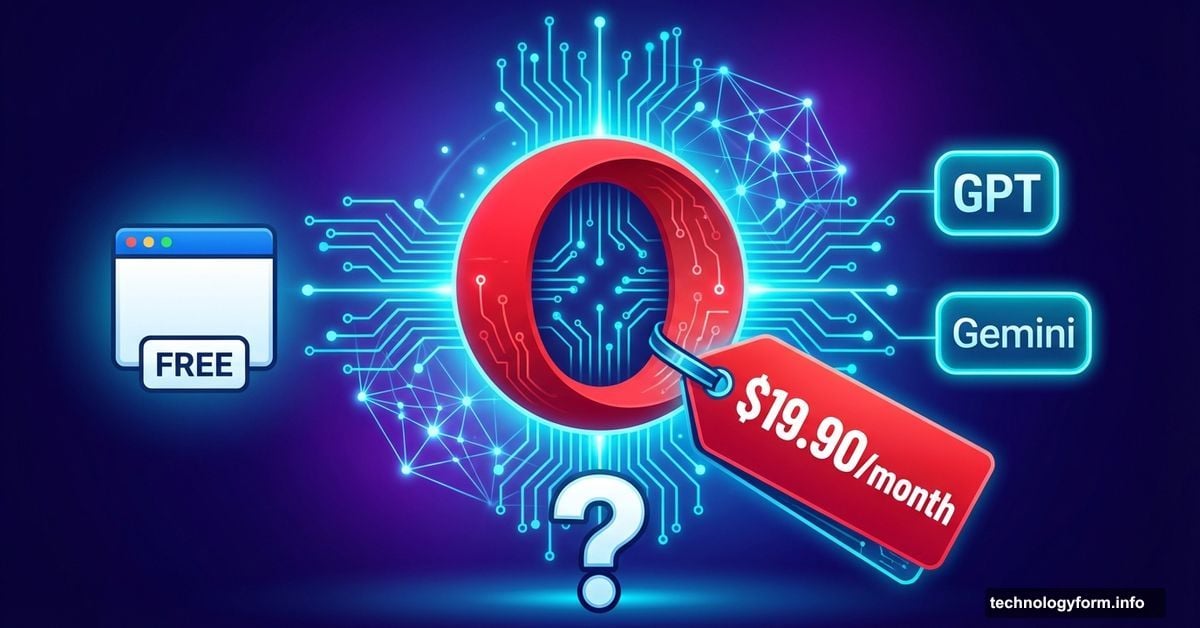
Opera’s $20 Browser Bet: Can AI Features Justify That Price Tag?
Opera just launched Neon to the public. But there’s a catch. You’ll pay $19.90 monthly for the privilege of using this AI-powered browser.
That’s steep. Most browsers are free. Even premium features rarely cost this much. So what’s Opera thinking, and does Neon deliver enough value to justify that subscription?
What You Actually Get for $20
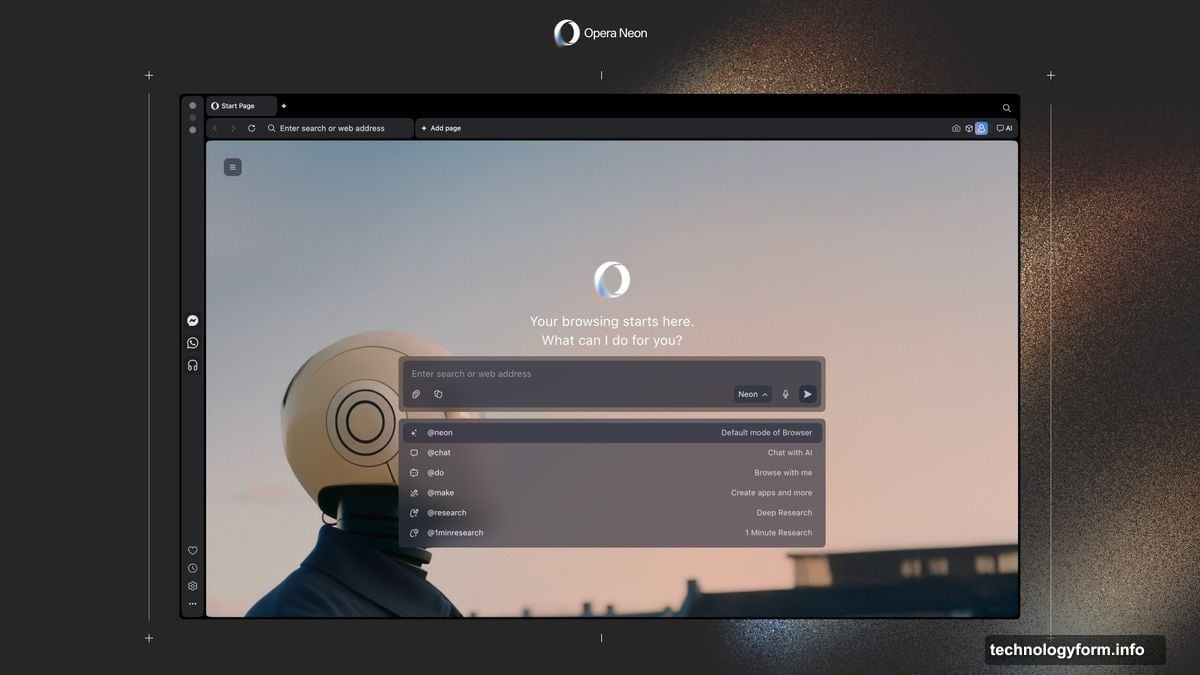
Neon isn’t just Opera with a chatbot bolted on. The browser bakes AI deeply into its core experience.
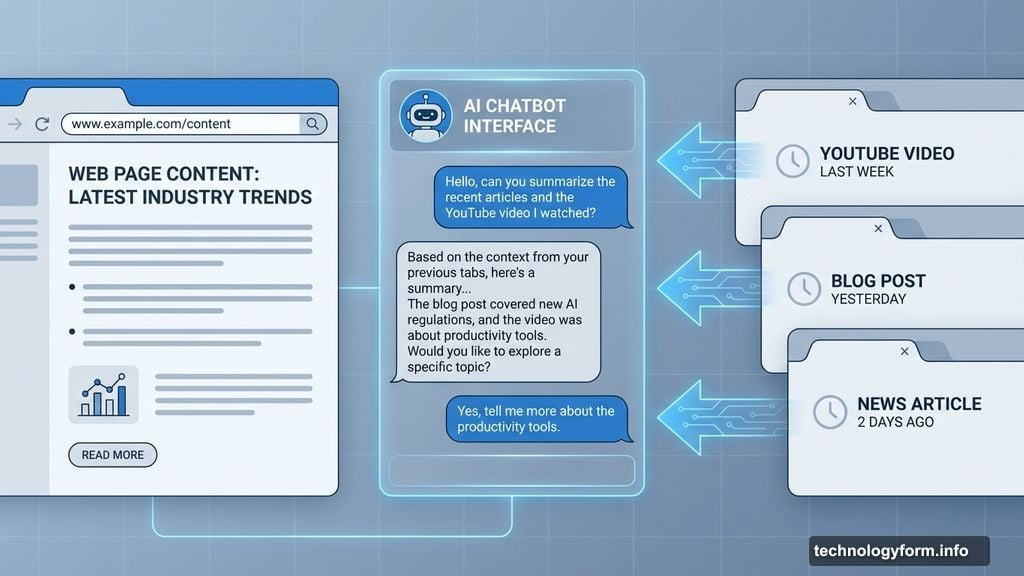
The AI chatbot lives directly in your interface. You can ask it questions about any page you’re viewing. It pulls context from your browsing history too. So you could ask it to find details from that YouTube video you watched last week. Or grab information from yesterday’s blog post.
That context awareness sets Neon apart. Most AI assistants treat each query as isolated. Neon remembers what you’ve browsed. That makes follow-up questions and research tasks much smoother.
Plus, you get access to premium AI models. Gemini 3 Pro, GPT-5.1, Veo 3.1, and Nano Banana Pro all come with your subscription. Using these models separately would cost you anyway. So Opera bundles them as part of the value proposition.
Cards and Tasks Change How You Work
Two features stand out: Cards and Tasks.
Cards let you build repeatable workflows using prompts. Think of them as saved templates for common AI tasks. You could create a Card that summarizes research papers in a specific format. Or one that extracts key points from meeting transcripts. Once built, you just invoke the Card instead of rewriting prompts.
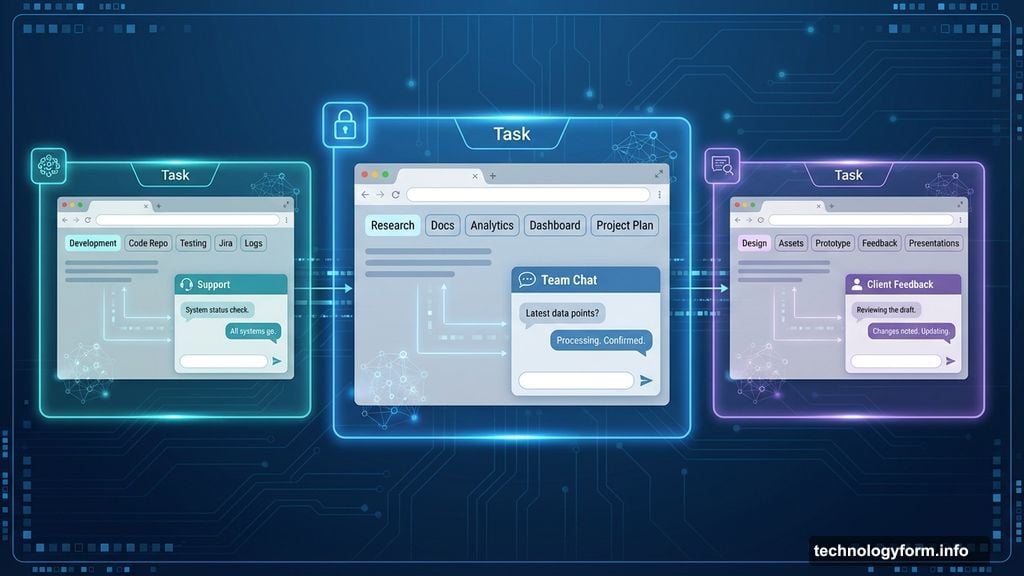
Tasks take tab organization further. They’re contained workspaces that combine AI chats with related tabs. Each Task maintains its own context for the AI. That means you can keep research projects separate without the AI confusing information between them.
Arc Browser pioneered Spaces for tab organization. Tasks feel like Opera’s answer, enhanced with AI context awareness. For people who juggle multiple projects, this could be genuinely useful.
The Deep Research Agent Does Heavy Lifting
Neon includes something Opera calls a “deep research agent.” This tool digs into topics and compiles detailed information automatically.
Tell it to research quantum computing applications in healthcare. The agent will search multiple sources, synthesize findings, and present a comprehensive overview. You’re not just getting search results. You’re getting analyzed, organized research.
This matters for professionals who spend hours researching topics. Lawyers, consultants, academics, journalists—anyone who needs to quickly get up to speed on complex subjects. If the agent works well, it could save significant time.
But here’s the question. Does it work better than just using Claude or ChatGPT directly? That remains to be seen. Opera’s betting the integrated browser experience makes it more valuable than switching between tabs.
The Mini App Builder Sounds Ambitious
Opera says you can use Neon to “create mini apps.” That’s vague, but intriguing.
If it means generating quick tools without coding, that’s valuable. Imagine telling the browser: “Build me a calculator that converts recipe measurements.” Or “Make a simple tracker for my workout progress.”
We’ve seen AI generate code. But generating functional mini apps directly in a browser? That’s a step further. If Opera delivers this smoothly, it could justify some of the subscription cost.
Of course, we need to see how well this actually works. Generating buggy, half-functional apps wouldn’t help anyone.
How This Compares to Other AI Browsers
Neon isn’t alone. Several companies are racing to build AI-first browsers.
Perplexity launched Comet. OpenAI has Atlas. The Browser Company built Dia. All three integrate AI assistants into browsing. But their pricing and features differ.
Most competitors offer free tiers with limitations. Opera went straight to a premium model. That’s risky. It suggests Opera believes its features are significantly better than free alternatives.
Meanwhile, established browsers move cautiously. Google is still working on security for AI agents. Brave is testing AI features in nightly builds, keeping them separate from regular browsing. They’re worried about attack surfaces and user privacy.
Opera appears less concerned. It’s moving fast, betting users will pay for AI convenience now rather than wait for free alternatives later.
Opera’s Other Products Stay Free
Here’s something important. Opera One, Opera GX, and Opera Air all still exist. They include free AI features like chat assistants.
So Opera isn’t abandoning free users. Neon targets a different audience: early adopters willing to pay for cutting-edge AI tools. People who want the latest models and experimental features before they hit mainstream browsers.
Krystian Kolondra, Opera’s EVP of browsers, called Neon “a product for people who like to be the first to the newest AI tech.” The company releases significant updates weekly. Subscribers also get Discord access and direct contact with developers.
That community aspect might matter. If you’re shaping a product’s development through feedback, paying $20 feels different than just consuming a finished product.
The Real Question: Is Anyone Paying This?
Twenty dollars monthly for a browser is unusual. Not impossible, but unusual.
Professionals already pay for tools that save time. If Neon’s research agent truly delivers, consultants and researchers might consider it worthwhile. Same for the tab organization features—knowledge workers who live in browsers could find value.
But most people? They’ll stick with free options. Chrome, Firefox, Edge, Safari—all free. Even Brave and Vivaldi offer excellent privacy features without subscriptions.
Opera needs to prove Neon is 10x better than free alternatives. Not just incrementally better. Dramatically better. Otherwise, that $240 annual cost looks steep.
Where This Goes Next
Opera’s taking a big risk. Charging premium prices for experimental features could backfire if users don’t see immediate value.
But if Neon delivers on its promises, it might carve out a profitable niche. Early adopters want AI tools now. They’ll pay for reliability and features before those tools hit free browsers.
The weekly updates suggest Opera is iterating fast. That could work in their favor. Fix bugs quickly, add requested features, keep improving based on user feedback. If they nail this approach, the community might grow.
Still, Google and Microsoft will eventually add similar AI features to Chrome and Edge. For free. Opera’s window for premium positioning might be narrow. They need to build a loyal user base before the giants catch up.
I’m skeptical about the pricing. But curious about the features. If Opera proves this model works, we might see more browsers experimenting with premium AI tiers. If it fails, everyone will remember why browsers stayed free for decades.