Uber Eats Got an AI Shopping Assistant. Does It Actually Help?
Grocery shopping just got weird. Uber Eats now lets you talk to a chatbot that builds your shopping cart.
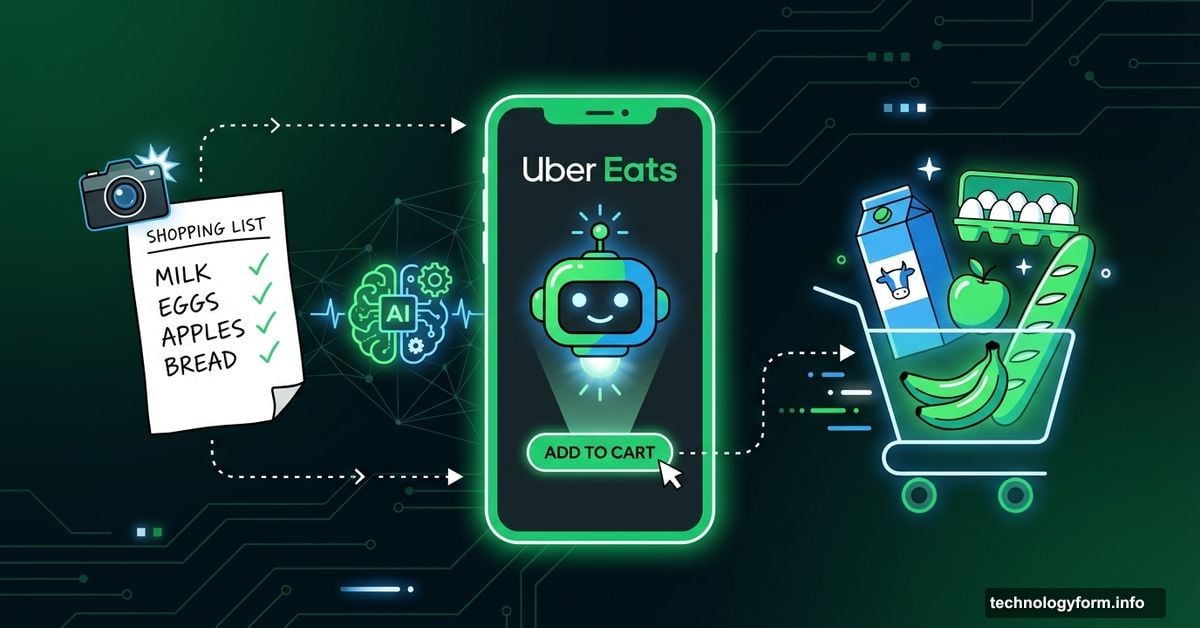
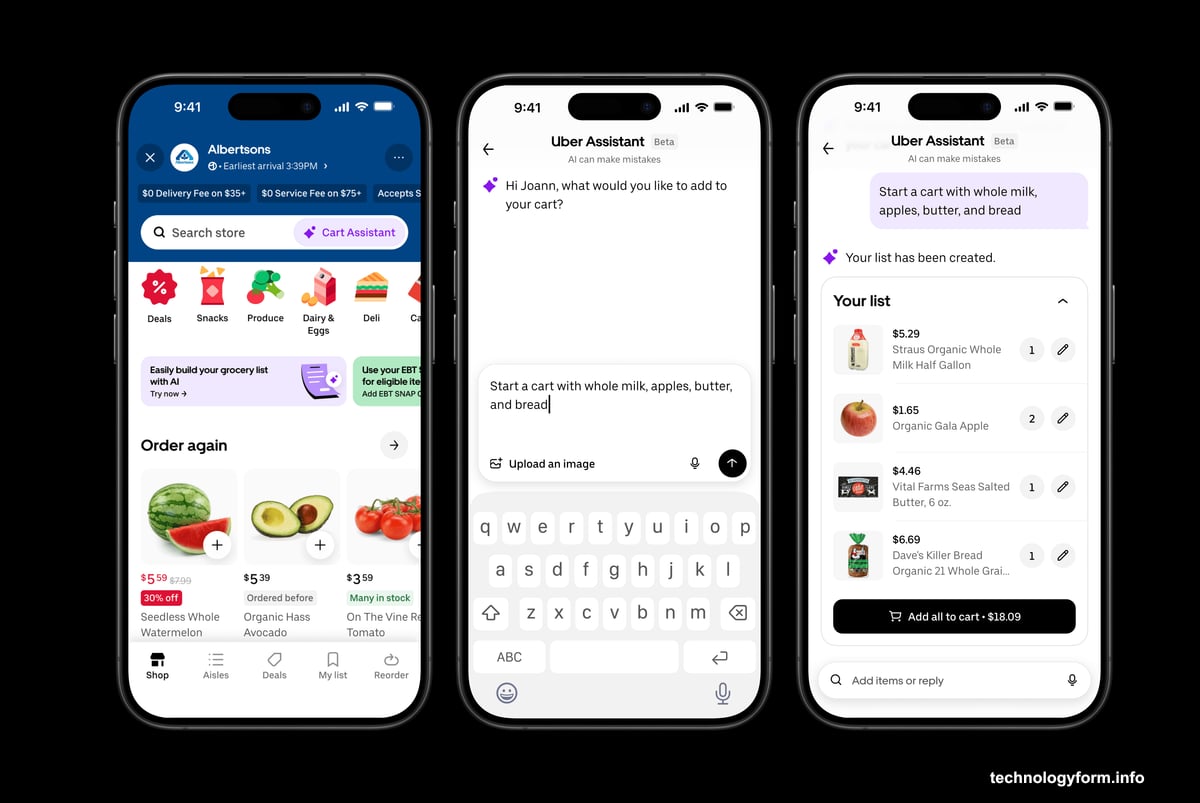
The new “Cart Assistant” works two ways. You can type what you need, like you would text a friend. Or snap a photo of your handwritten shopping list and let it figure out the rest. Sounds convenient. But there’s a catch you need to know about.
Text or Photos Both Work
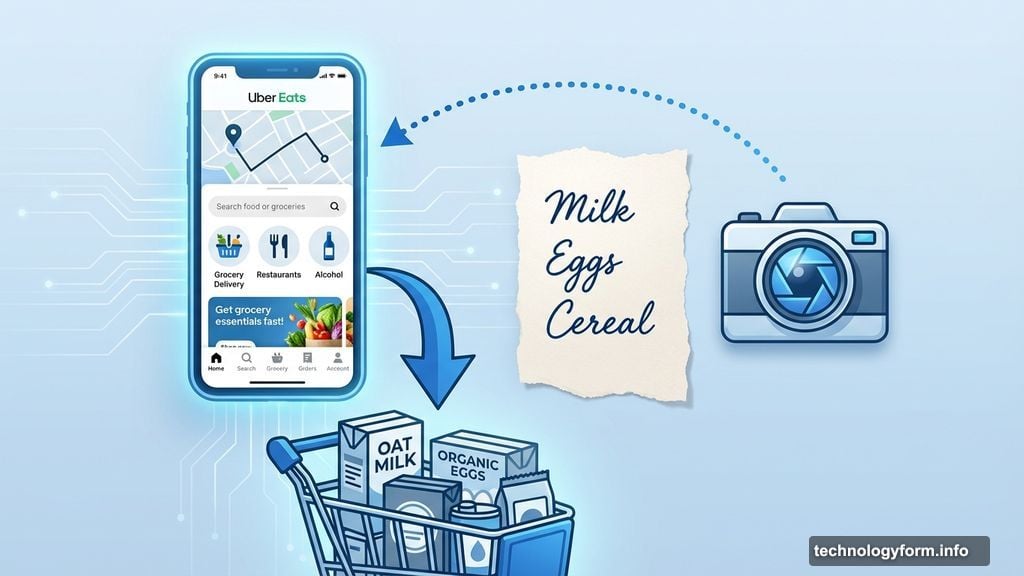
Cart Assistant accepts plain English requests. Type “milk, eggs, cereal” and it populates your cart with items matching your past orders. So if you always buy oat milk and organic eggs, that’s what you’ll get.
Plus, the photo feature handles those scribbled paper lists. Take a picture of your grocery notes and upload it. The AI reads your handwriting and adds matching products. For people who still write shopping lists on paper, this actually saves time.
But here’s the thing. The AI pulls from your order history to guess which brands you want. If you’ve never ordered groceries through Uber Eats before, it’ll just pick random products. That’s a problem for first-time users.
Limited Store Selection at Launch
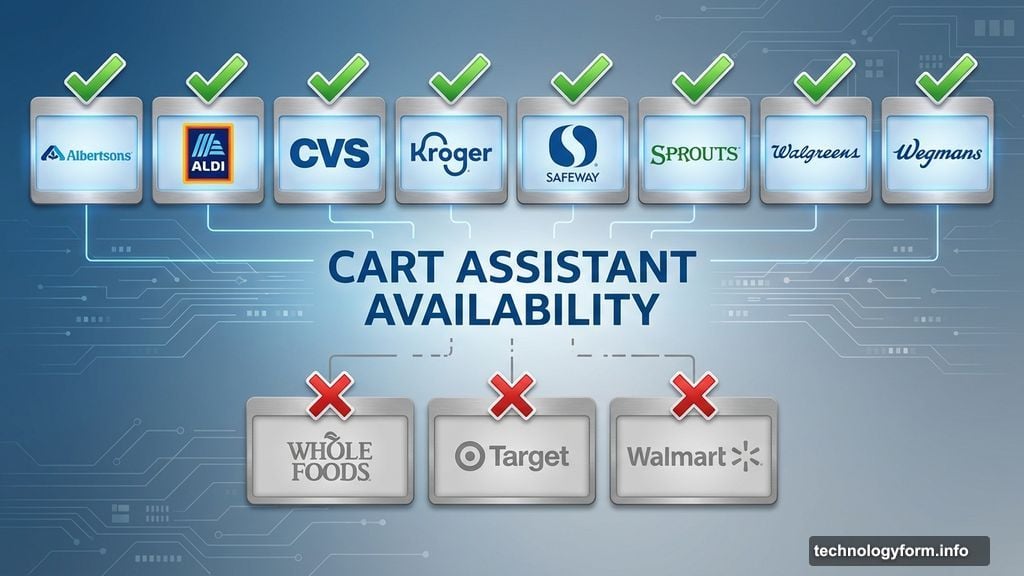
Cart Assistant only works at specific grocery chains right now. The launch lineup includes Albertsons, Aldi, CVS, Kroger, Safeway, Sprouts, Walgreens, and Wegmans.
Notice anyone missing? Whole Foods, Target, Walmart. If those are your go-to stores, this feature won’t help yet. Uber says more retailers are coming. But no timeline was given.
Moreover, availability varies by location. Just because Kroger partners with Uber doesn’t mean every Kroger participates. You might open the app and find your local store doesn’t support the feature.
The AI Will Make Mistakes
Uber admits Cart Assistant will mess up sometimes. That’s why they tell users to review every order before checkout.
Think about what that means. You still need to verify each item, check quantities, and confirm prices. So the time savings might not be as dramatic as promised. Instead of typing items manually, you’re reviewing AI suggestions manually.
For simple lists, the feature probably works fine. But complicated orders with specific brands or dietary restrictions? You’ll spend time fixing errors. One wrong ingredient could ruin your whole meal plan.
More Features Coming Soon
Uber plans to expand Cart Assistant’s capabilities. Future updates will include recipe suggestions, meal planning, and follow-up questions. You could theoretically say “plan dinners for this week” and get a full shopping cart.
That sounds useful. But those features don’t exist yet. Right now, it’s just a basic list builder with image recognition.
Also, Uber won’t say which AI technology powers Cart Assistant. Company spokesperson Richard Foord mentioned “publicly available LLM models” plus Uber’s own AI stack. But no specifics about whether OpenAI’s technology is involved, despite their existing partnership.
The Bigger AI Push
This grocery bot fits Uber’s larger AI strategy. The company recently revived its AI Labs to build smarter products using customer data. They’re also testing robotaxis with Waymo and sidewalk delivery robots in multiple cities.
So Cart Assistant isn’t just about groceries. It’s part of Uber’s race to embed AI throughout their platform before competitors do. Whether that benefits users or just creates more features to maintain remains unclear.
Should You Actually Use It
Here’s my take. Cart Assistant might save time for routine orders at supported stores. If you buy the same stuff weekly, letting AI handle it makes sense.
But for anything complex, you’re better off ordering manually. The review process probably takes longer than just adding items yourself. Plus, you avoid AI mistakes that could delay your delivery.
Test it with a small order first. See if it correctly identifies your preferred brands. Check if your local stores participate. Don’t rely on it for important meals until you’ve confirmed it actually works.
The feature shows promise. But like most AI tools, it needs refinement before replacing traditional shopping methods entirely.