Sora Just Crushed Google Play. Half a Million Downloads in 24 Hours
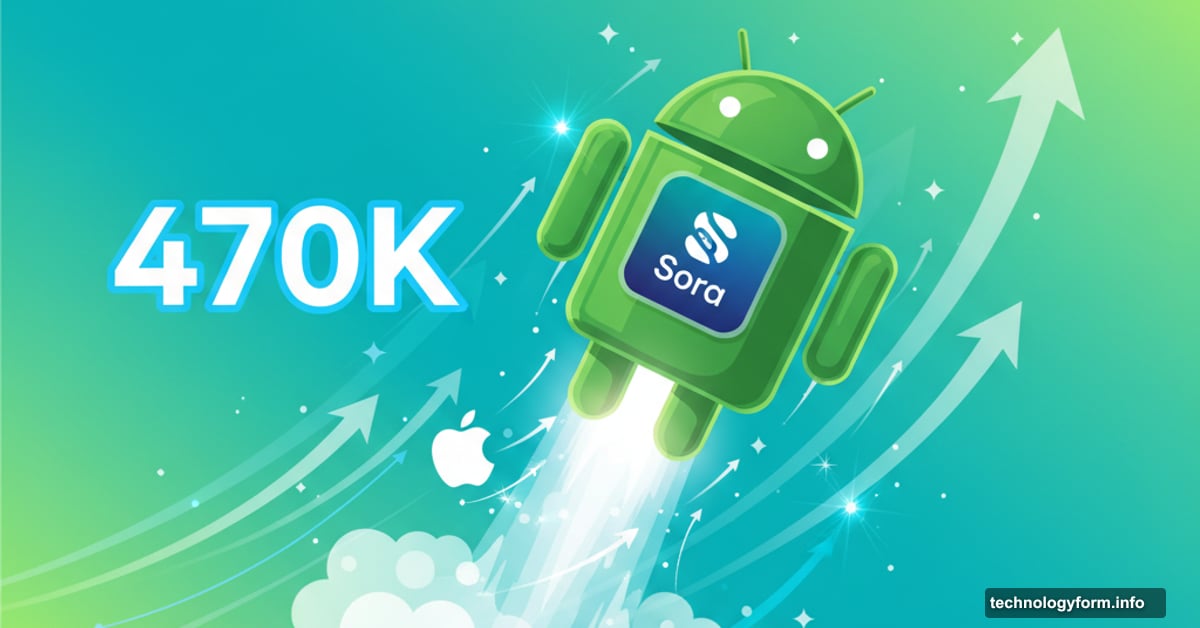
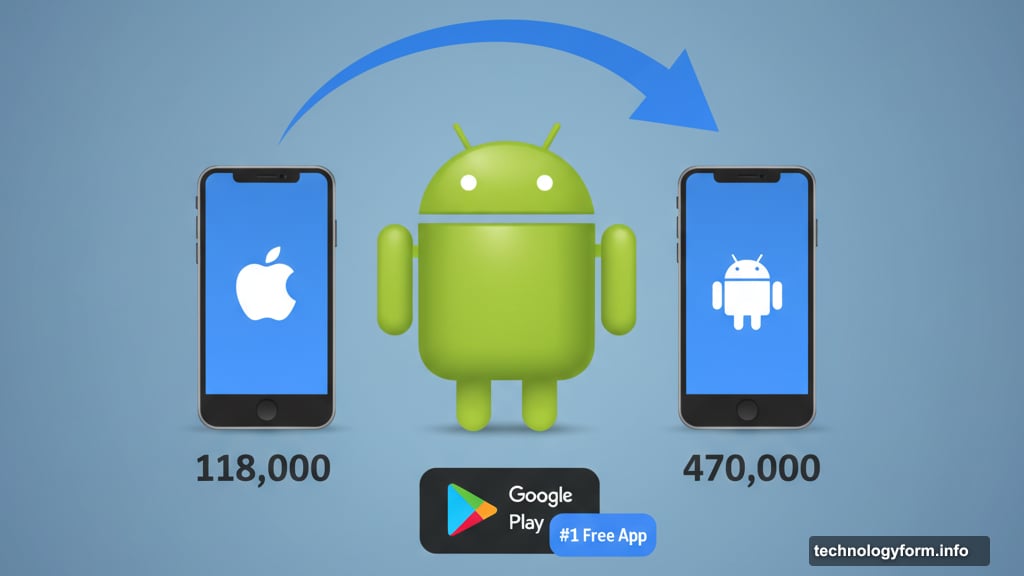
OpenAI’s AI video app demolished download records on Android. In a single day, nearly 470,000 people grabbed Sora from the Google Play Store.
That’s wild. The app didn’t just launch successfully. It vaporized expectations and claimed the number one free app spot, bumping ChatGPT to second place. Both apps come from the same company, so OpenAI basically owns the top two slots right now.
For context, Sora’s iOS launch pulled only 118,000 downloads on day one back in September. So the Android version quadrupled that performance. Plus, the iOS app crossed one million downloads within five days, but it was limited to North America and required invite codes. Now the app is open to everyone in more countries with zero invite barriers.
Why Android Numbers Exploded
Several factors drove this surge. First, Android simply has more users globally than iOS. Opening up internationally meant tapping massive new markets.
Second, dropping the invite requirement removed friction. Previously, you needed to wait for access. Now anyone can download and start creating AI videos immediately.
Third, Sora gained serious momentum since September. The app generated buzz, controversy, and viral content. By the time Android users got access, they were already primed to download.
What’s Actually Inside Sora
Sora isn’t just another AI video generator. It’s designed as a social media platform where users create, share, and remix AI-generated content.
The core feature is called Cameo. It lets you use other people’s likenesses to generate videos. Originally limited to human subjects, Cameo now supports pets, stuffed animals, and even characters from existing Sora videos. Halloween-themed characters appeared recently, showing how quickly OpenAI expands creative options.
The generation interface highlights trending cameos in real-time. Think of it like TikTok’s For You page or Instagram’s Explore tab, but for AI video creation. You see what’s popular and can jump on trends immediately.
Basic video editing arrived recently. You can now stitch clips together inside the app. More advanced editing tools are coming soon, according to Bill Peebles, OpenAI’s head of Sora. The company wants professional creators to use Sora for serious projects, not just quick viral videos.
Social Features Get More Personal
Sora started as a chaotic public feed of AI videos. But OpenAI is testing community-focused features now.
Instead of just scrolling through global content, you might soon join channels for your university, workplace, hobbies, or sports teams. This shift mirrors Discord or Slack, where smaller communities matter more than one massive feed.
That’s smart. A global feed gets overwhelming fast. Plus, niche communities foster deeper engagement and more creative experimentation.
Video Limits Keep Growing
Free users can now generate videos up to 15 seconds long on iPhone and web. Pro users get 35 seconds total when creating on the web.
These limits increased just days after Google upgraded its Veo 3 model to handle longer videos. So this is clearly a competitive response. OpenAI and Google are racing to offer the longest, highest-quality AI video generation.
Storyboarding launched recently too, but only for Pro users on the web. This feature lets creators plan videos before generating them. It’s a professional filmmaking tool, similar to what Google’s Flow program offers.
Here’s what’s interesting. Most Sora content right now is short, funny, viral-style videos. But storyboarding suggests OpenAI wants serious filmmakers on the platform. That’s a major shift in strategy.
Pay As You Go Model Emerges
OpenAI introduced new payment options alongside these features. Previously, free users generated up to 30 videos daily. Pro users got 100 videos daily.
Now if you hit your limit, you can pay $4 for 10 additional video generations. That’s a pay-as-you-go model similar to other AI services.
Your Sora account links to your ChatGPT account. So ChatGPT Pro subscribers automatically get Sora Pro benefits. OpenAI is clearly bundling services to maximize subscription value.
The Deepfake Problem Nobody Solved
Sora’s biggest controversy remains unsolved. The app can generate deepfakes easily. OpenAI says it’s working with unions like SAG-AFTRA and other public figures to manage inappropriate or illegal content.
But that’s vague. “Working with” doesn’t mean much without specific policies or enforcement mechanisms. Meanwhile, the app is open to millions of Android users who can create nearly anything.
Deepfakes damage reputations, spread misinformation, and enable harassment. Yet Sora’s core feature literally lets you use other people’s likenesses. The tension is obvious.
OpenAI needs concrete solutions fast. Otherwise, regulatory backlash is inevitable.
What This Means for Creators
Professional creators face a choice. Embrace AI video tools or get left behind.
Sora’s new features target professionals explicitly. Storyboarding, longer videos, better editing, higher resolution. These aren’t for casual users making quick memes. They’re for people who want to produce polished content.
But AI video tools also alienate professionals. Many creators worry about their work training AI models without compensation. Others fear AI will devalue human creativity.
OpenAI seems aware of this tension. The rapid addition of professional features suggests they’re trying to win over skeptical creators. Whether it works remains unclear.
Google and OpenAI Battle Hard
The timing of Sora’s Android launch isn’t coincidental. Google just upgraded Veo 3 to generate longer videos. OpenAI responded by extending Sora’s limits and dropping the Android app.
Both companies are racing to dominate AI video generation. Google has YouTube and massive distribution. OpenAI has ChatGPT’s user base and first-mover advantage with Sora’s social features.
Neither company has won yet. But Android’s explosive download numbers give OpenAI serious momentum.
The competition benefits users for now. More features, longer videos, better quality. But it also raises stakes around deepfakes, misinformation, and content moderation.
Where Sora Goes Next
OpenAI’s roadmap hints at bigger ambitions. Community channels, advanced editing, longer videos, higher resolutions. They’re building a full creative platform, not just a viral video generator.
That’s ambitious. And risky. Professional creative tools are crowded markets with established players. Adobe dominates video editing. YouTube dominates video sharing. TikTok dominates short-form social video.
Sora tries to merge all three. Create, edit, and share AI videos in one app. If they pull it off, it changes content creation fundamentally.
But they’re also battling massive ethical and legal challenges. Deepfakes, copyright infringement, content moderation at scale. These problems don’t have easy solutions.
Half a million downloads in one day proves demand exists. But can OpenAI build a sustainable platform that creators trust and regulators tolerate? That’s the real test ahead.