Google Just Killed Its Free Dark Web Scanner. Here’s What That Means for You
Google’s shutting down a tool millions relied on to protect their personal data. By early 2026, the free dark web monitoring service disappears completely.
The announcement caught users off guard. Most people didn’t even know this tool existed until Google made it free for everyone in mid-2024. Now it’s gone before most could benefit from it.
So what happens to your leaked data? And what should you do instead?
What Dark Web Monitoring Actually Did
Google’s tool scanned the dark web for your personal information. It looked for your name, email address, and phone number across shady corners of the internet.
When it found a match, you’d get an alert. The notification told you where your data appeared and which breach exposed it. Plus, you could see a complete list of every time your information showed up in leaked databases.
Sounds useful, right? Google disagrees.
Why Google’s Pulling the Plug
Google sent emails explaining the shutdown. Their reason? The tool “did not provide helpful next steps.”
Translation: Getting an alert that your data leaked doesn’t actually help you fix anything. You’d see the notification, panic slightly, then wonder what to do about it.
The reports showed you the problem but offered zero solutions. That’s like a smoke detector that beeps without telling you where the fire is or how to put it out.
Google claims they’ll focus on tools with “clear, actionable steps” instead. But they didn’t specify what those tools are or when they’re coming.
Timeline for the Shutdown
Mark these dates on your calendar if you use this service:
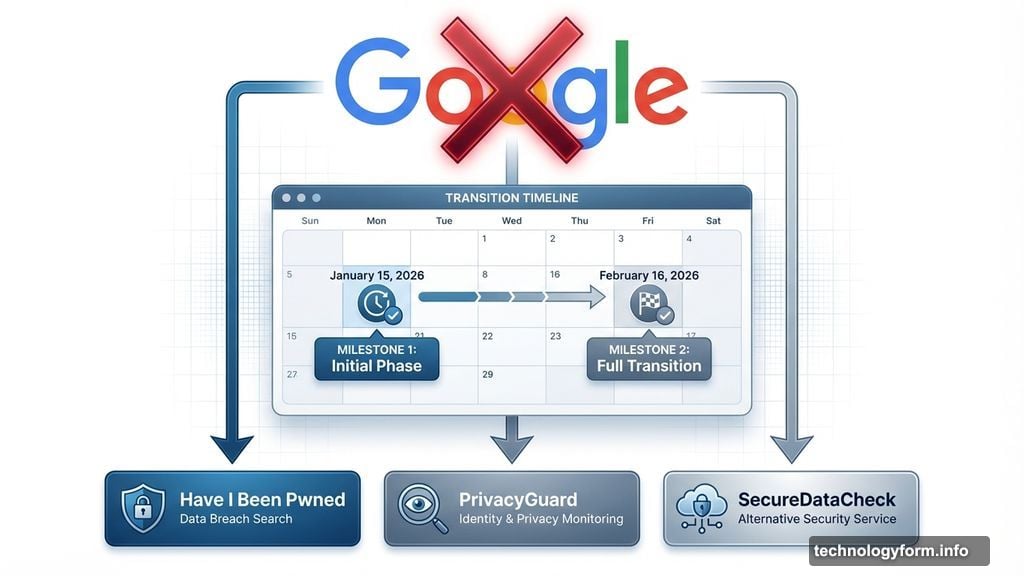
January 15, 2026: Google stops scanning for new dark web results. Your monitoring profile stays active but won’t update with fresh breaches.
February 16, 2026: Complete removal. Google deletes your monitoring profile and all historical reports from your account.
You can delete your profile earlier if you want. Just visit the “results with your info” section on the tool’s page and remove it manually.
The Real Problem Nobody’s Discussing
Google opened this tool to everyone just 18 months before killing it. That timeline feels absurdly short.
Millions of people finally got free access to dark web monitoring. Then Google yanked it away before most users even discovered it existed. For a company Google’s size, this feels careless.
Moreover, the timing seems suspicious. Data breaches hit record numbers in 2024. More personal information leaked online than ever before. So Google decides now is the perfect time to stop helping people monitor those leaks?
Here’s what bothers me most. Google collects massive amounts of data about users. They profit from that data collection. Yet when it comes to helping users protect their leaked information, suddenly it’s not worth the effort.
What to Use Instead
Don’t panic. Several alternatives exist for monitoring your leaked data.
Have I Been Pwned remains the gold standard. Troy Hunt’s free service checks if your email appears in known breaches. It covers billions of compromised accounts and updates constantly.
Firefox Monitor works similarly. Mozilla’s tool scans breach databases and alerts you to exposures. Plus, it integrates directly with Firefox browser for convenience.
Paid password managers often include dark web monitoring. Services like 1Password, Dashlane, and Bitwarden scan for your credentials automatically. You’re already paying for password management anyway.
Credit monitoring services from banks and credit bureaus also watch for your information. Many banks offer this free to customers. Check if yours does before paying for a separate service.
Should You Actually Care About Dark Web Monitoring?
Honestly? The value depends on your situation.
If you reuse passwords across sites, dark web monitoring matters more. One breach exposing your password means attackers can try it everywhere. Monitoring alerts you to change those passwords quickly.
But if you use unique passwords for every account, the urgency drops. Sure, your email might appear in a breach. However, the leaked password won’t work anywhere else. So the damage stays contained.
Think of it this way. Dark web monitoring tells you when damage already happened. Prevention works better than detection. Use strong, unique passwords, enable two-factor authentication, and limit what personal data you share online.
Those steps do more to protect you than any monitoring tool ever could.
Google’s Pattern of Killing Useful Tools
This shutdown follows a familiar pattern. Google launches a useful service, builds user trust, then cancels it abruptly.
Remember Google Reader? Inbox by Gmail? Google Play Music? Hangouts? The list of killed products stretches longer every year.
Now dark web monitoring joins that graveyard. The company claims they’ll focus on better tools. But we’ve heard that before. Usually, those “better tools” never materialize, or they come with restrictions that make them less useful.
So don’t hold your breath waiting for Google’s next security innovation. Find alternatives now instead of hoping Google delivers something better later.
Your Data’s Already Out There Anyway
Here’s an uncomfortable truth. If you’ve been online for more than a few years, your personal information probably already leaked somewhere.
Major breaches hit Yahoo, Equifax, LinkedIn, and hundreds of other companies. Billions of records leaked. Your email, phone number, and even passwords likely appeared in at least one dump.
Dark web monitoring just confirms what you probably already suspected. Your data’s out there. Multiple copies exist across various databases. No tool can put that genie back in the bottle.
The best response? Assume your information leaked and act accordingly. Use unique passwords everywhere. Enable two-factor authentication on important accounts. Monitor your credit reports. Stay alert for phishing attempts.
Those habits protect you better than any monitoring tool ever could.
What Actually Matters for Security
Focus your energy on prevention instead of detection. Here’s what genuinely improves your security:
Password managers create unique passwords for every account. One breach can’t compromise your other logins. That’s the single biggest security improvement most people can make.
Two-factor authentication blocks hijackers even if they steal your password. Enable it everywhere possible, especially email, banking, and social media.
Credit freezes stop identity thieves from opening accounts in your name. They’re free, easy to implement, and more effective than any monitoring service.
Email aliases hide your real address from potential breaches. Services like SimpleLogin or Apple’s Hide My Email give you disposable addresses that forward to your real inbox.
Those four steps do more for security than dark web monitoring ever accomplished. Google’s tool told you about problems after they happened. These prevention methods stop problems from starting.
Google’s shutting down a tool that offered limited value anyway. Stop worrying about what leaked yesterday. Start focusing on preventing leaks tomorrow instead.